Where water powered the railway.
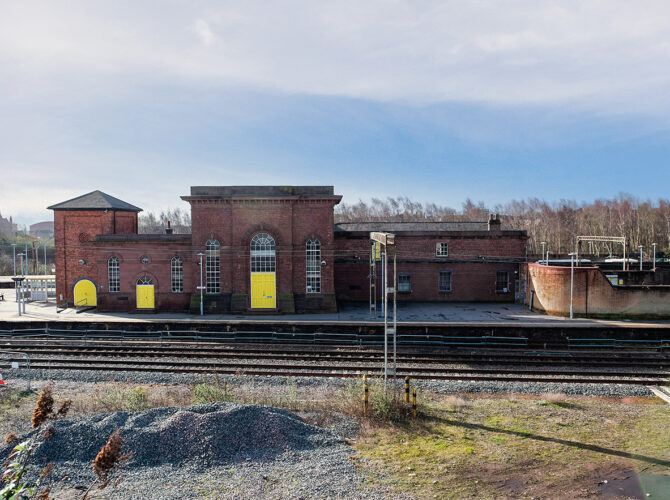
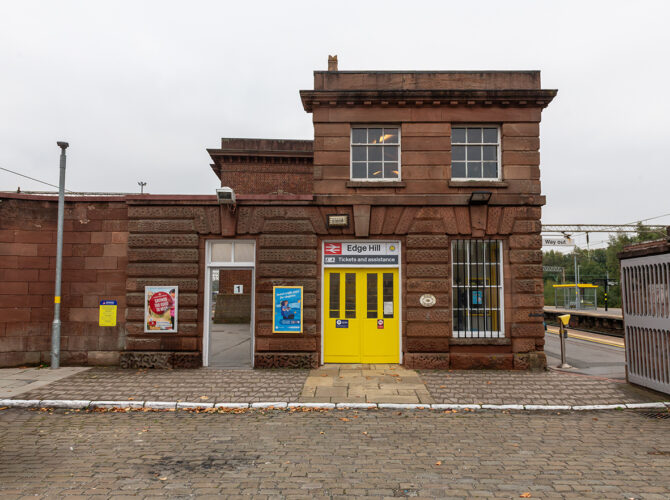
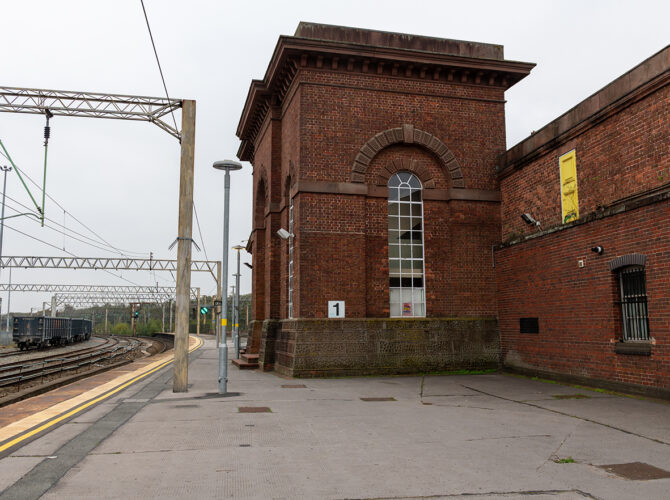
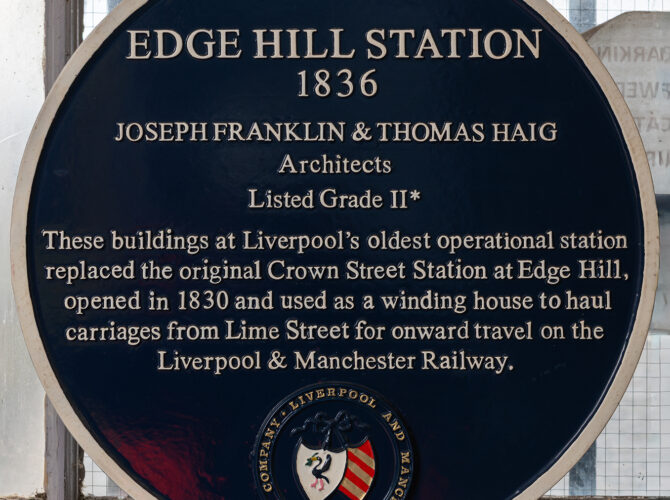
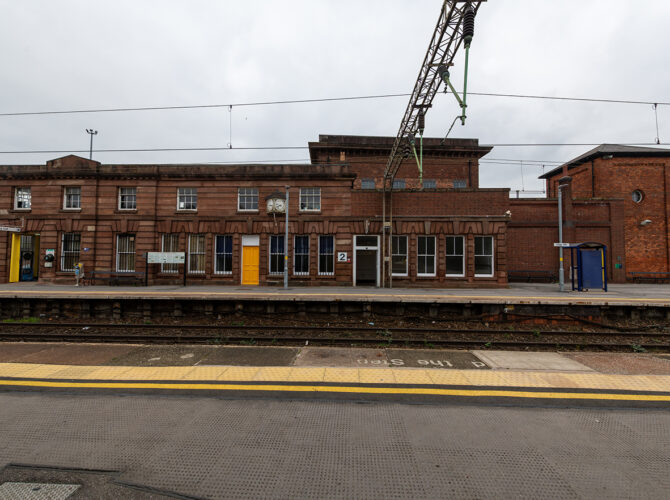
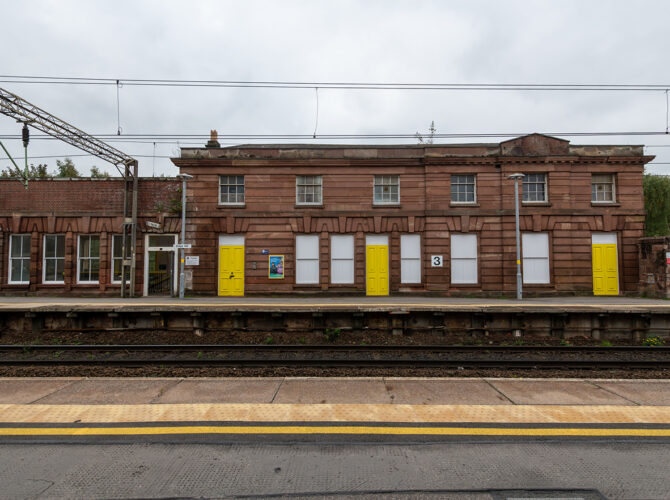
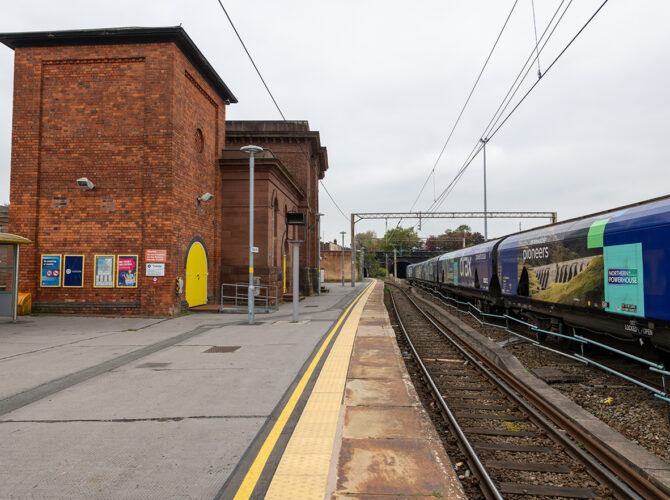
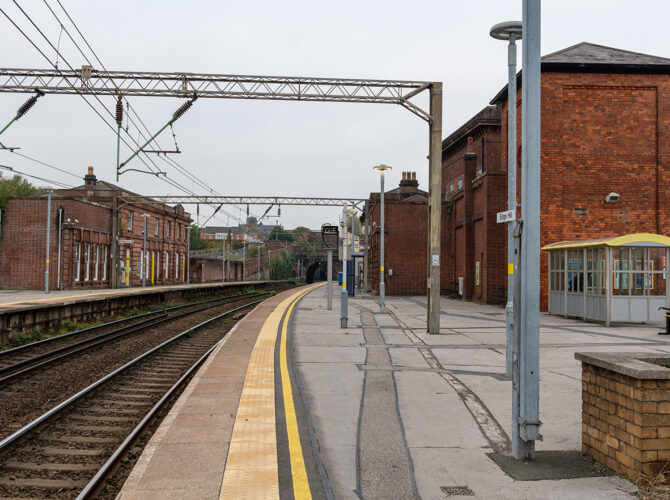
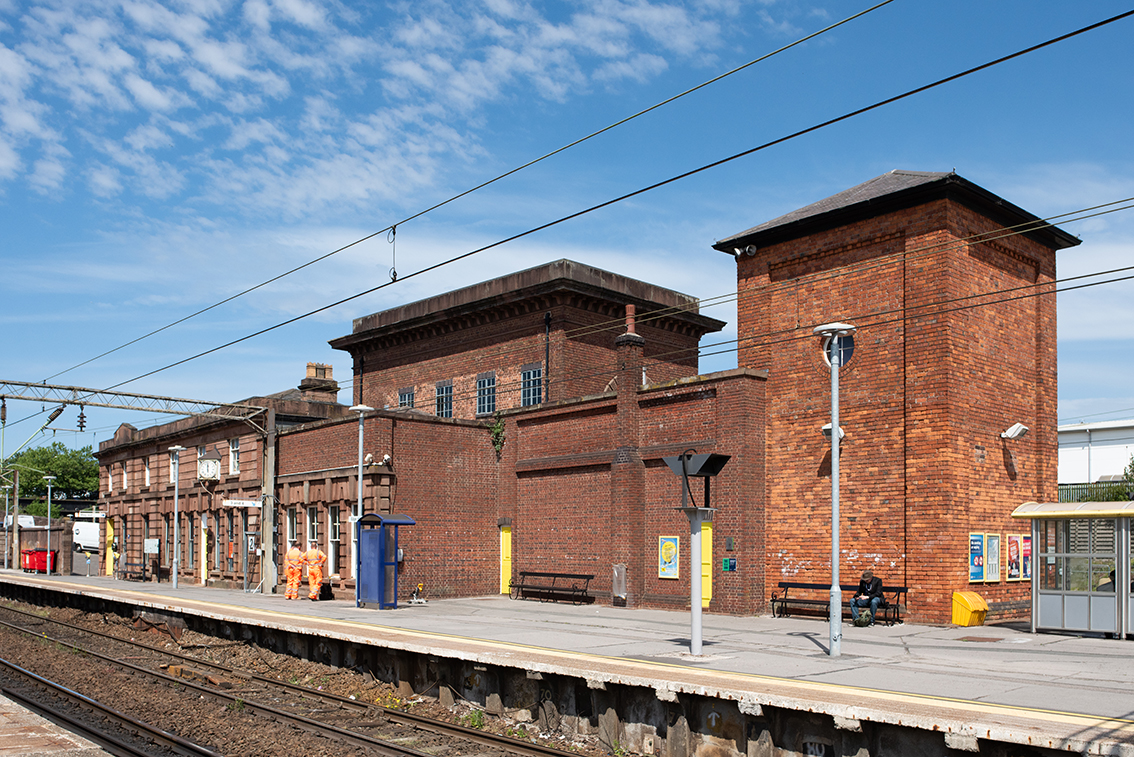
On the platform of Edge Hill Station stands a pair of solid industrial buildings: a red sandstone hydraulic plant house and a square brick accumulator tower. Built in 1882, they powered the hydraulic systems that kept wagons moving across the busy marshalling yards and sidings at Edge Hill.
Together they formed the heart of a hidden system, storing and releasing pressurised water to shift heavy rolling stock with quiet force. While trains roared through the station and disappeared into tunnels, it was buildings like these that did the heavy lifting behind the scenes.
Why it matters
By the late 19th century, railway yards were getting busier and heavier. Moving wagons by hand or gravity wasn’t enough to keep up. Hydraulic power offered a smart and reliable alternative, able to move wagons, operate points and lifts and take the strain off crews and engines.
The Hydraulic Plant House and Accumulator Tower were built to provide that power at Edge Hill. Water was pumped into the tower and held under pressure by a massive weight. When needed, that pressure was released to drive machinery around the yard, a bit like how modern car brakes or digger arms use fluid power to do heavy lifting with minimal effort.
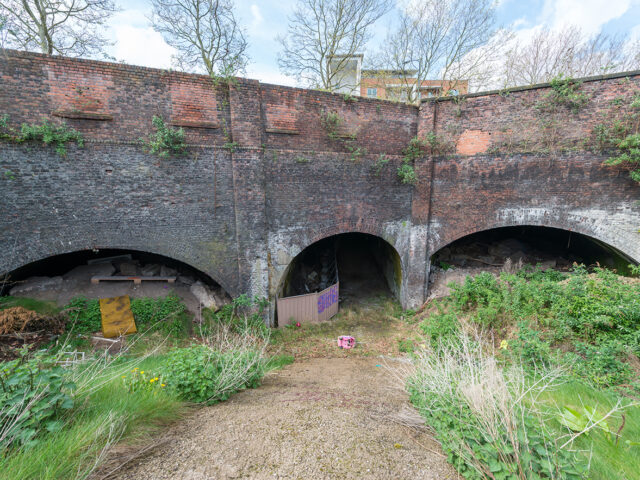
This system helped manage traffic linked to the Wapping Tunnel, the Edge Hill Cuttings and the growing freight yards. It reduced the need for manual labour and kept everything running more smoothly.
Today, the plant house and tower are rare survivors. Listed at Grade II, they remind us that railways weren’t just about locomotives and steam. They relied on clever systems working quietly behind the scenes