Timeline
-
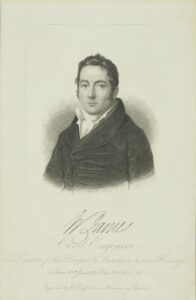
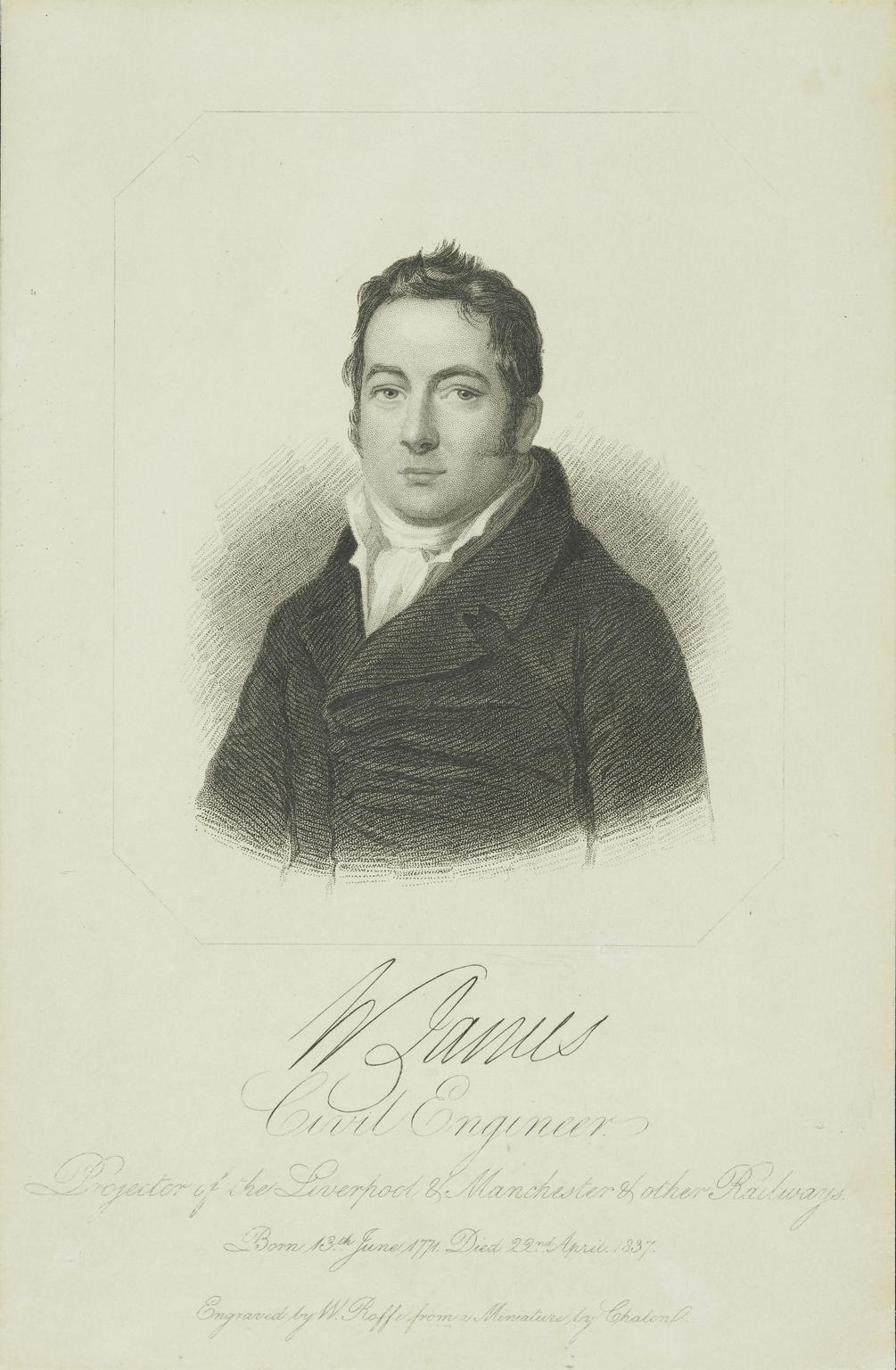
William James, a land-agent, anticipated the success of railways and asked Joseph Sanders, a Liverpool corn merchant, to promote a railway from Liverpool to Manchester. James undertook a survey in 1821-22, but after his bankruptcy in 1823, Sanders planned the railway without him.
Technology -
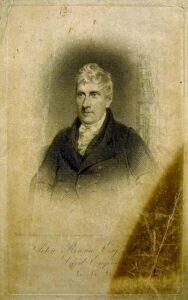
John Moss became the Deputy Chairman of the Liverpool and Manchester Railway. Moss was a wealthy banker who owned slaves in the Bahamas. Merchants involved in the early railway profited from slavery, whilst some were ardent abolitionists like James Cropper.
Society -
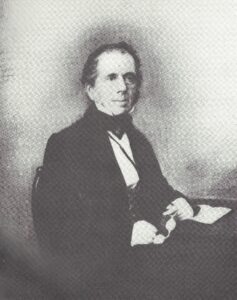
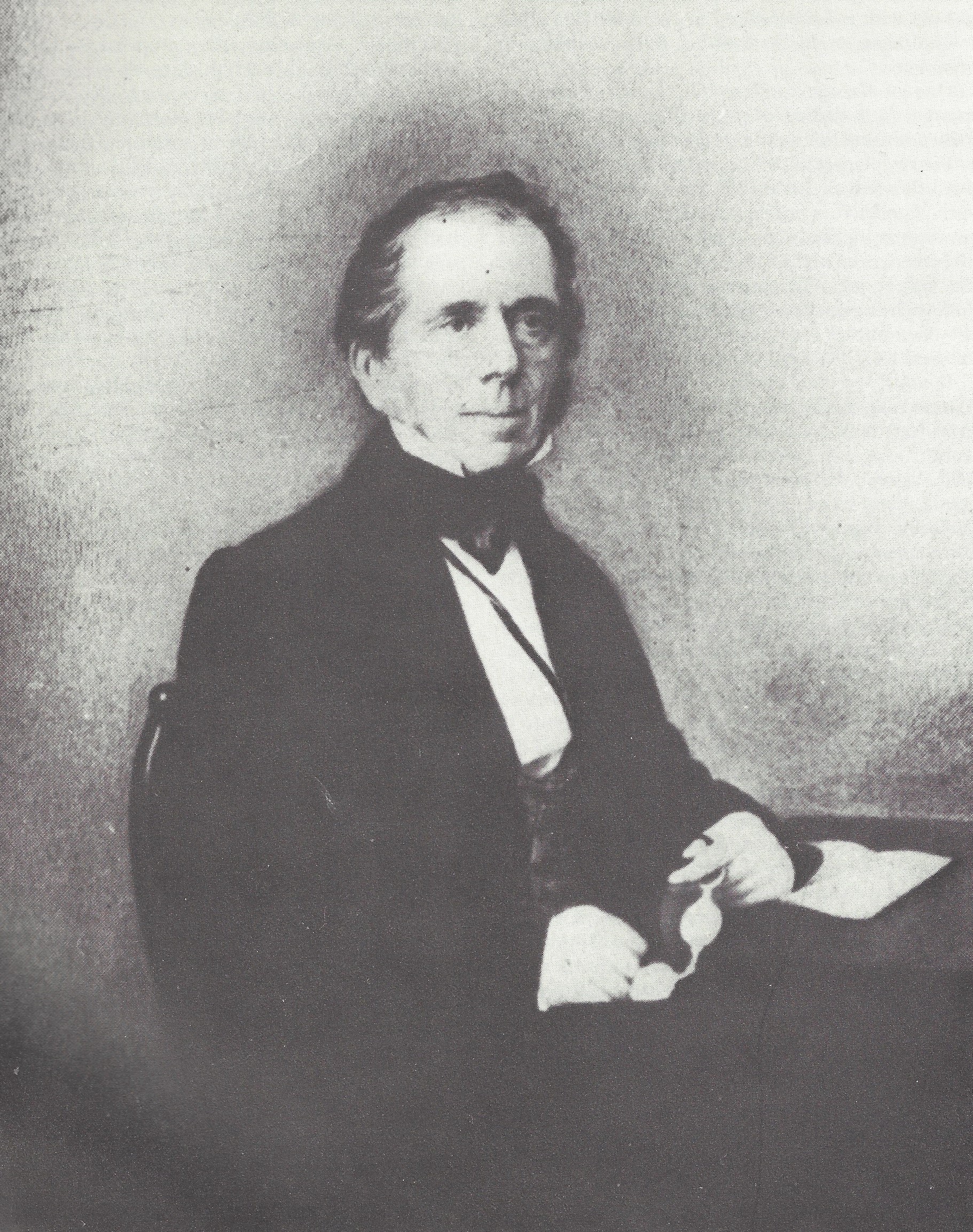
The Committee of the Liverpool and Manchester Railroad Company issued a prospectus written by Henry Booth (1789-1869) to raise funds for the railway. Booth became the Company secretary and treasurer, a supporter of George Stephenson’s plans, Booth is also known for inventing innovative locomotive parts like the screw coupling.
Society -
Engineer George Stephenson surveyed the route from Liverpool to Manchester, which was engraved and published by John and Alexander Walker. The Walker family were based in Liverpool and London, producing maps and nautical charts.
Technology -
The Railway Company withdrew the first Liverpool and Manchester Railway Bill after strong opposition. Engineer George Stephenson had delegated parts of the survey for the proposed line, and the route was heavily criticised. Opposition to the Bill also came from the rival Bridgewater Canal Company.
Political events -
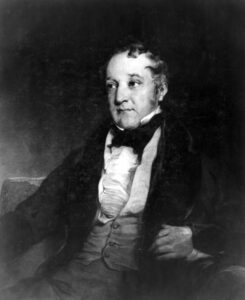
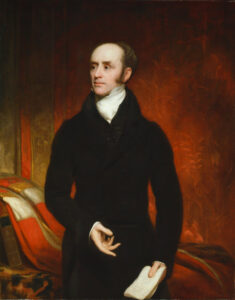
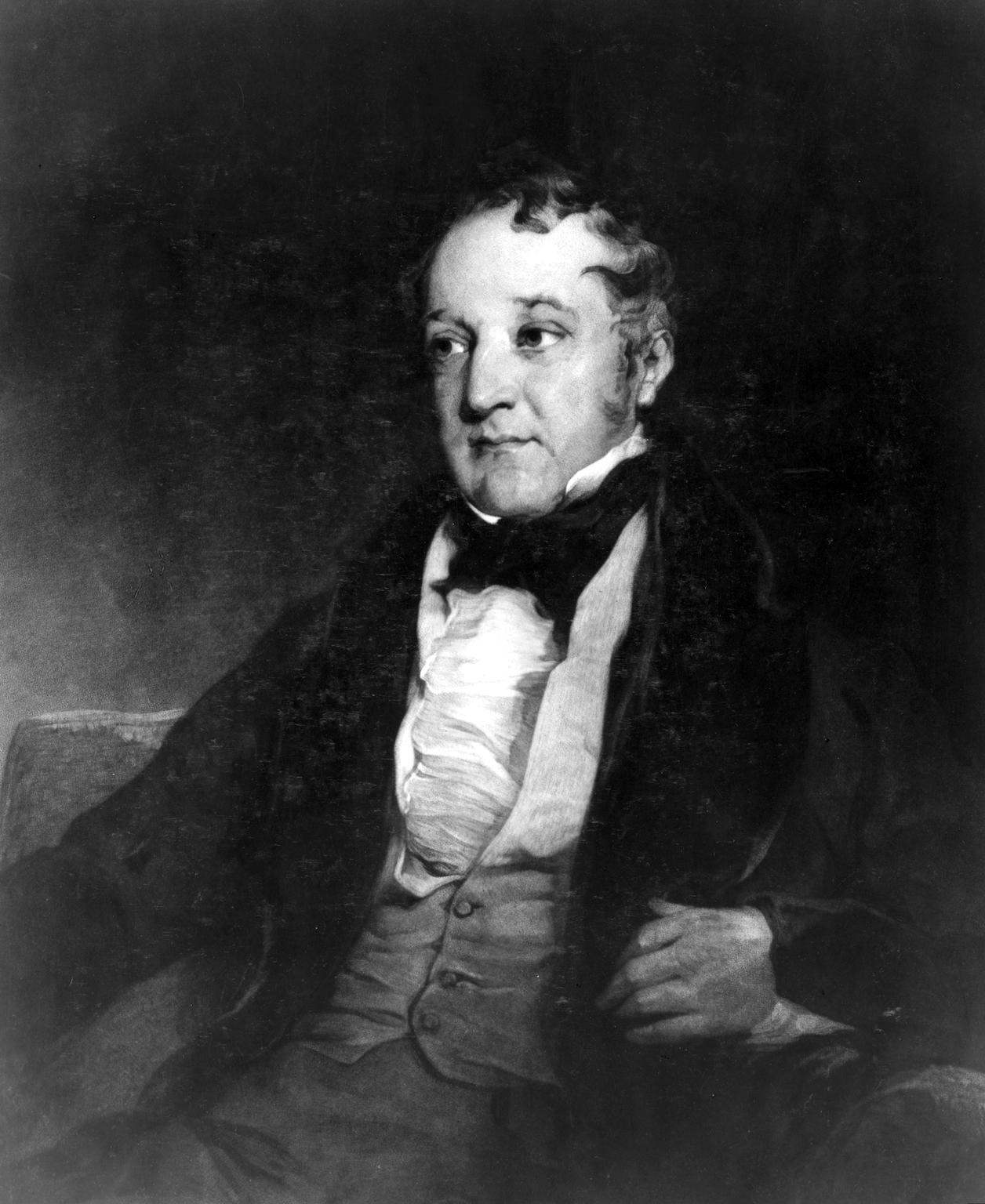
William Huskisson (1770–1830), MP for Liverpool, became president of the Liverpool Mechanic’s Institute.
Culture -
Opening of the Stockton and Darlington Railway. George Stephenson drew upon his experience here in the construction of the LMR, later, construction workers were hired to oversee the building of the Liverpool and Manchester line.
Technology -
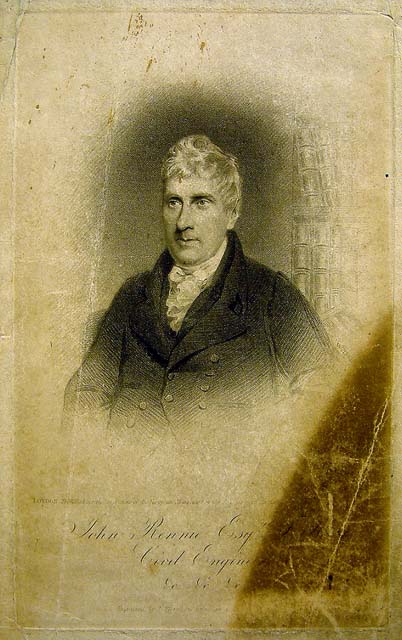
George Rennie (1791–1866) and Sir John Rennie (1794–1874) hired Charles Vignoles (1793–1875) to conduct a new survey of the route for the Liverpool and Manchester Railway
Technology -
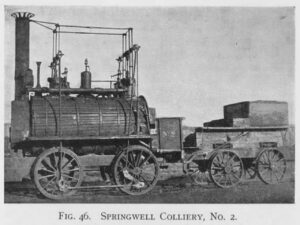
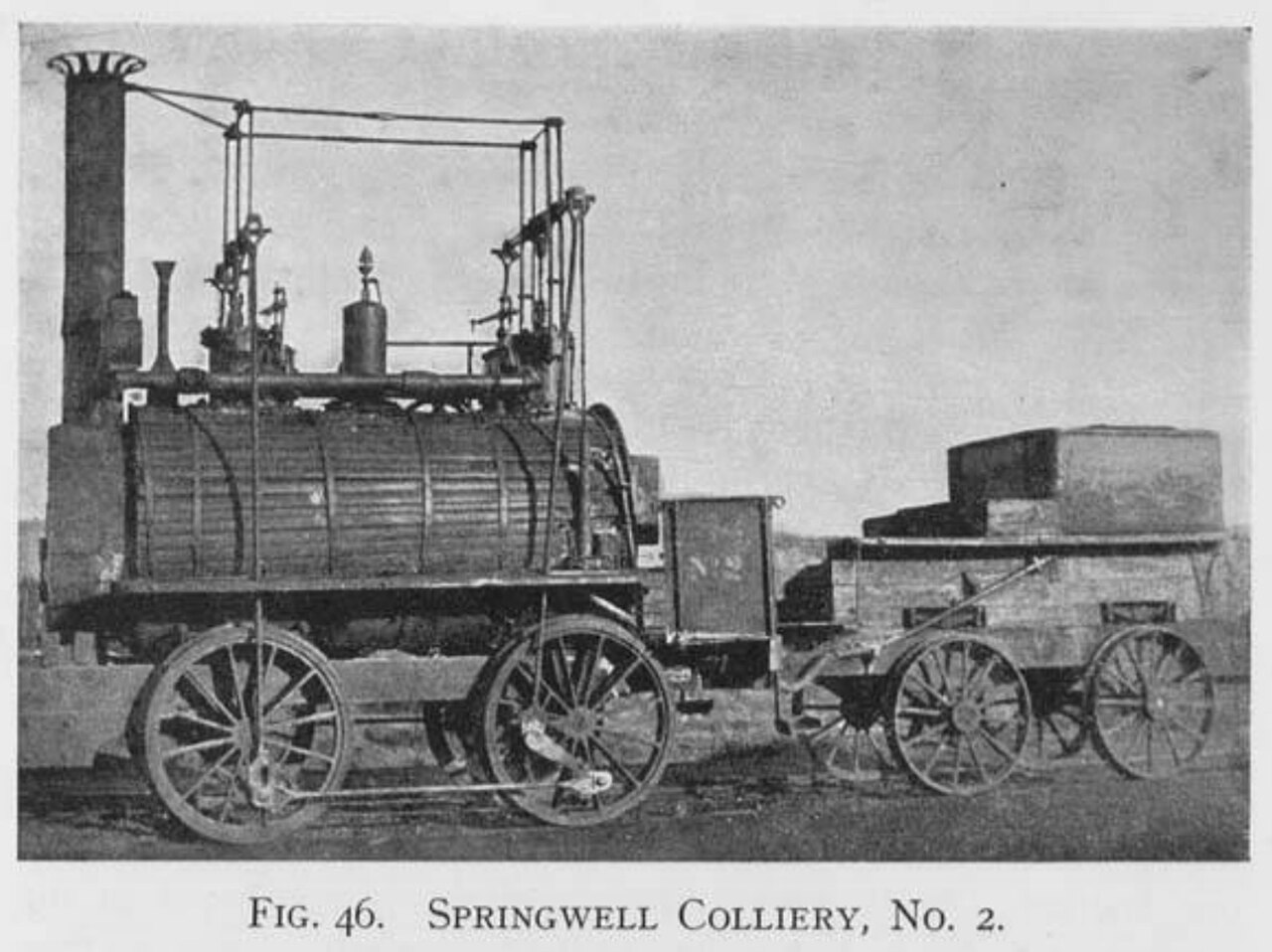
The first section of the Springwell Colliery and Railway (later the Bowes Railway) designed by George Stephenson opened.
Technology -
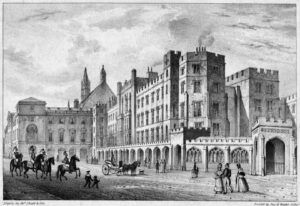
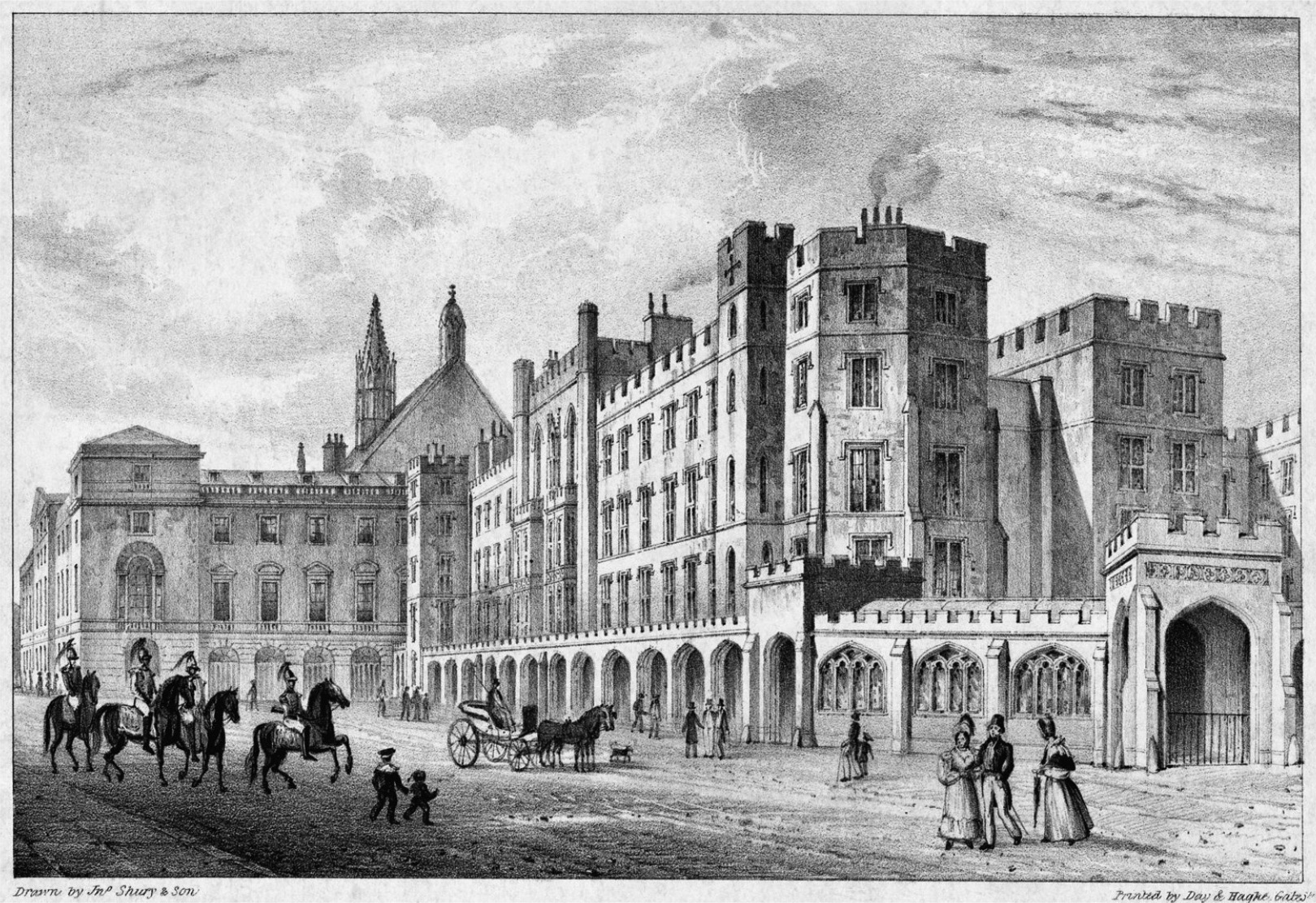
A House of Commons debate approved the Liverpool and Manchester Railway.
Political events -
The ‘Act for making and maintaining a railway or tram-road from the town of Liverpool to the town of Manchester, with certain branches therefrom’ was passed into law on the third attempt.
Political events -
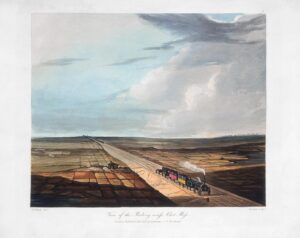
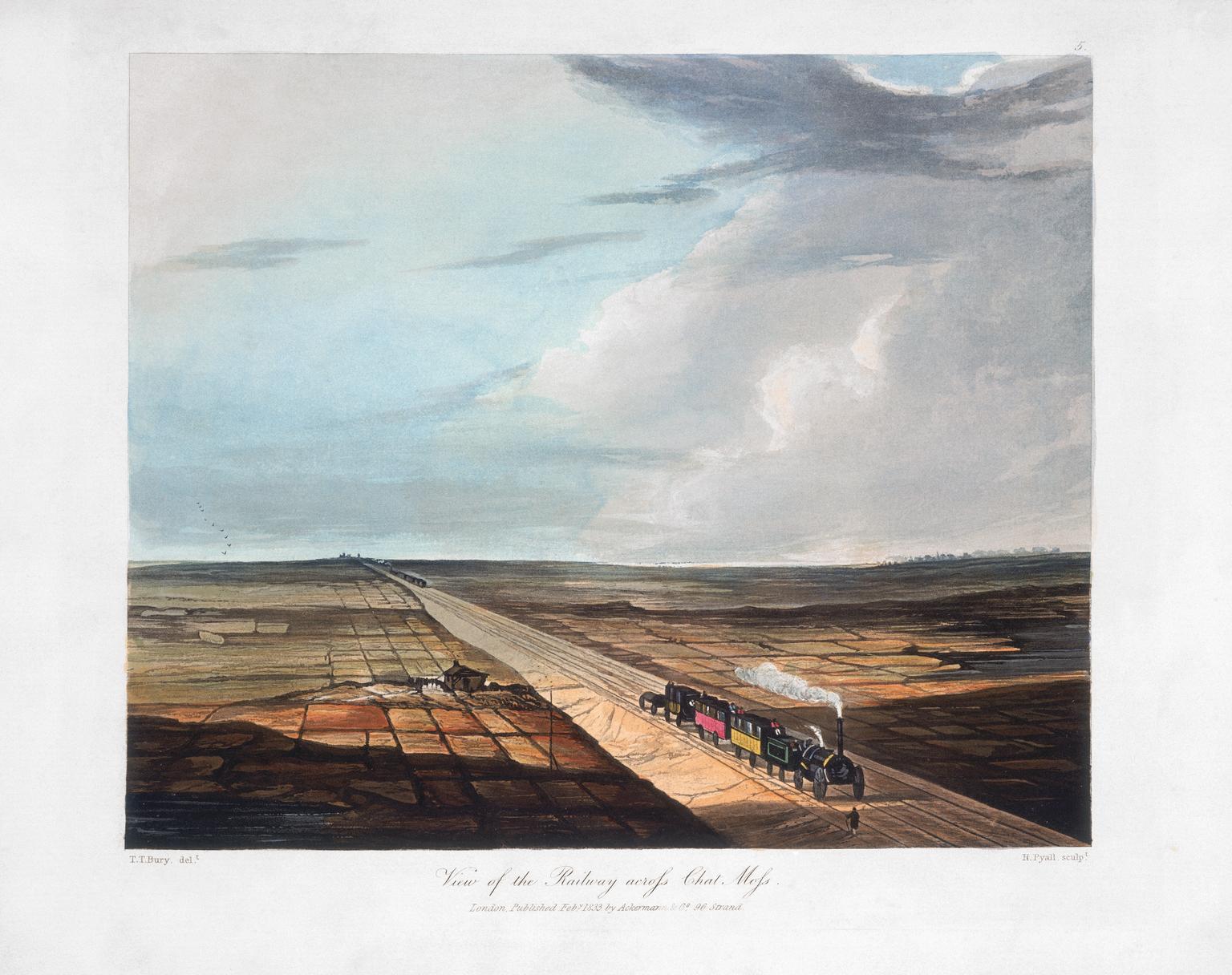
The draining of Chat Moss began; however, this approach to building the railway across the peat bog initially proved unsuccessful.
Technology -
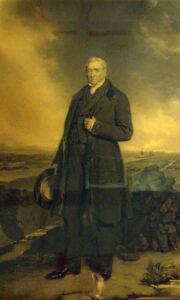
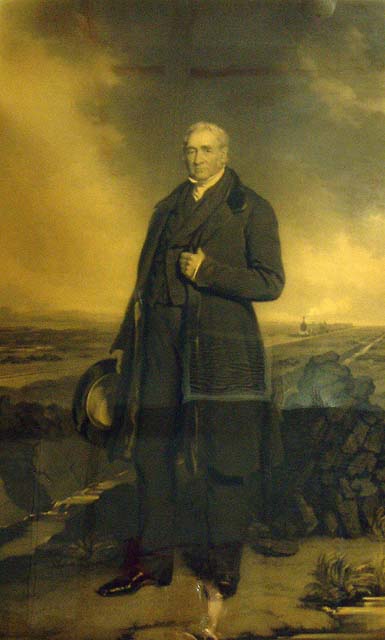
George Stephenson is made engineer of the Liverpool and Manchester Railway
Technology -
The Liverpool and Manchester Railway construction progressed, excavations for the Wapping Tunnel in Liverpool began.
Technology -
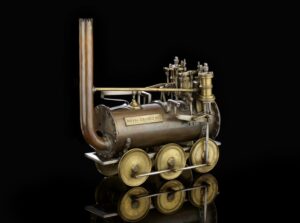
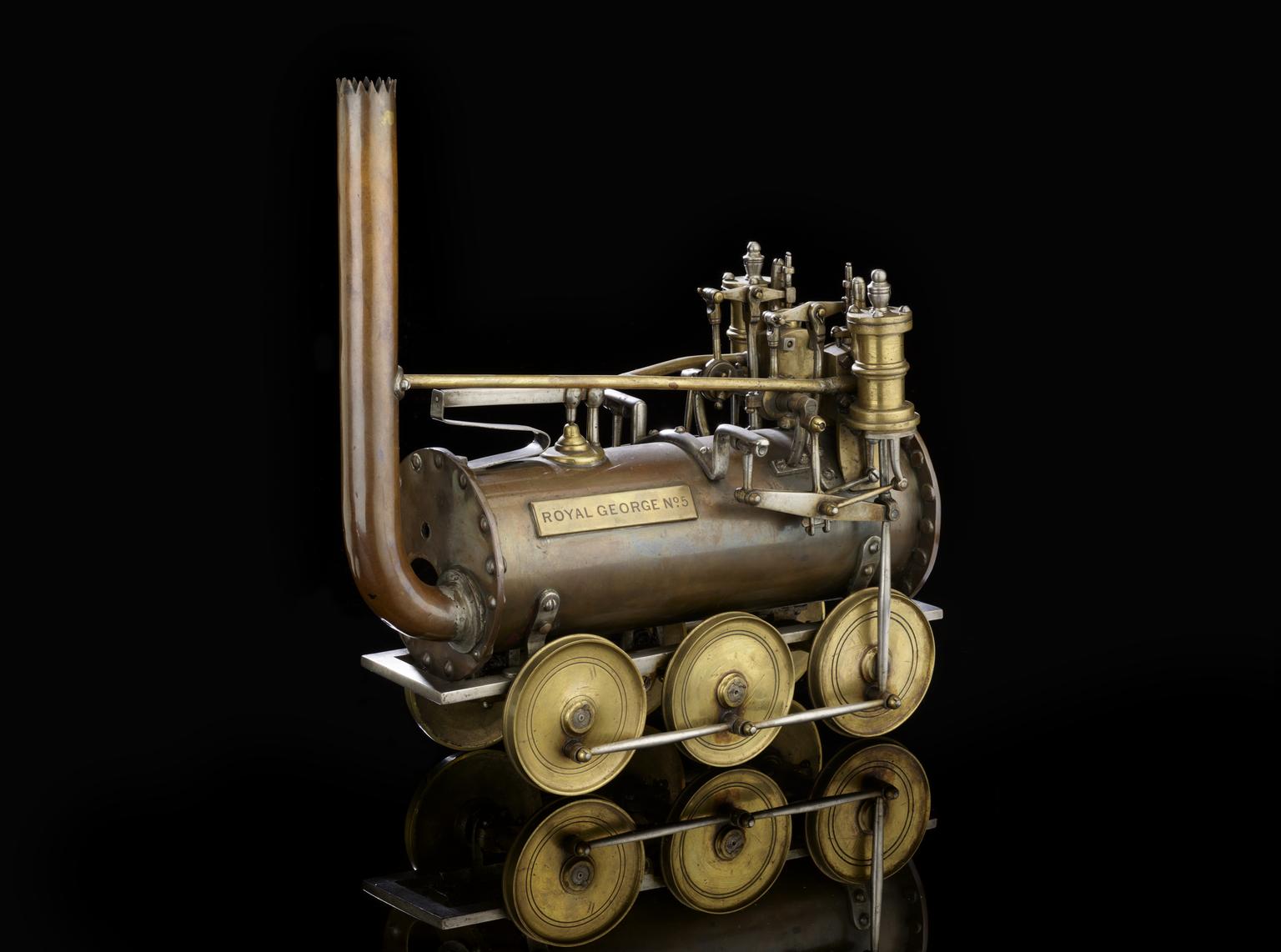
The ‘Royal George’ locomotive designed by Timothy Hackworth runs for the first time on the Stockton and Darlington Railway.
-
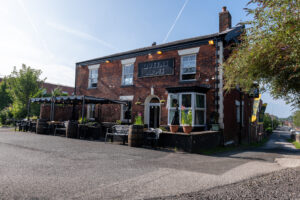
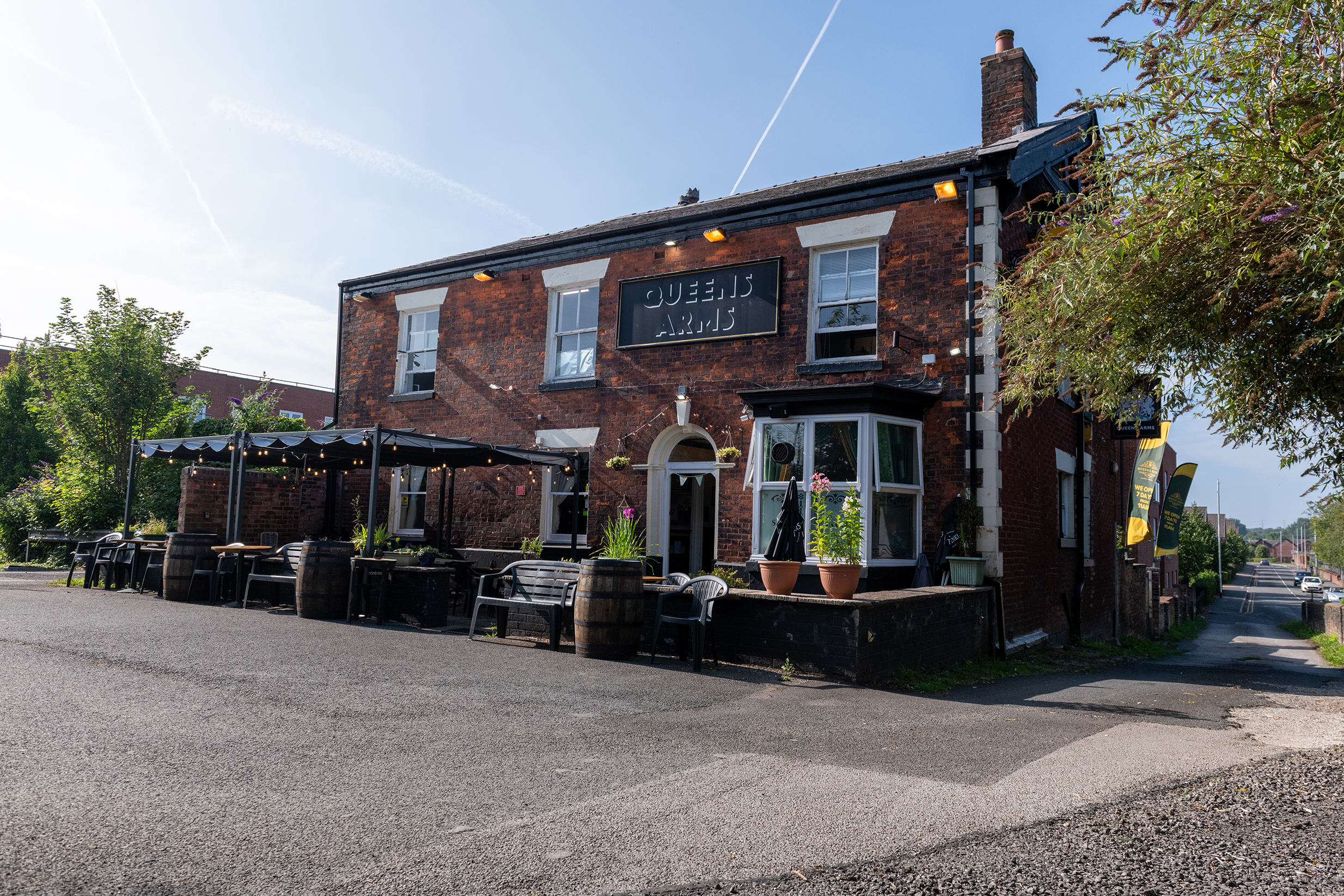
The Patricroft Tavern (later renamed the Queen’s Arms) was built in anticipation of the Railway.
Society -
Excavations for the Liverpool and Manchester Railway include sites at Olive Mount, Sankey Valley and Newton Bridge.
Technology -
The Liverpool and Manchester Railway Act was introduced in Parliament, and given Royal assent on 26 March 1828.
Political events -
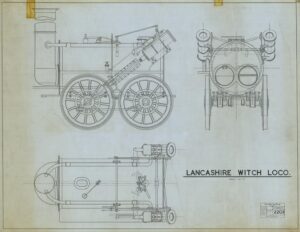
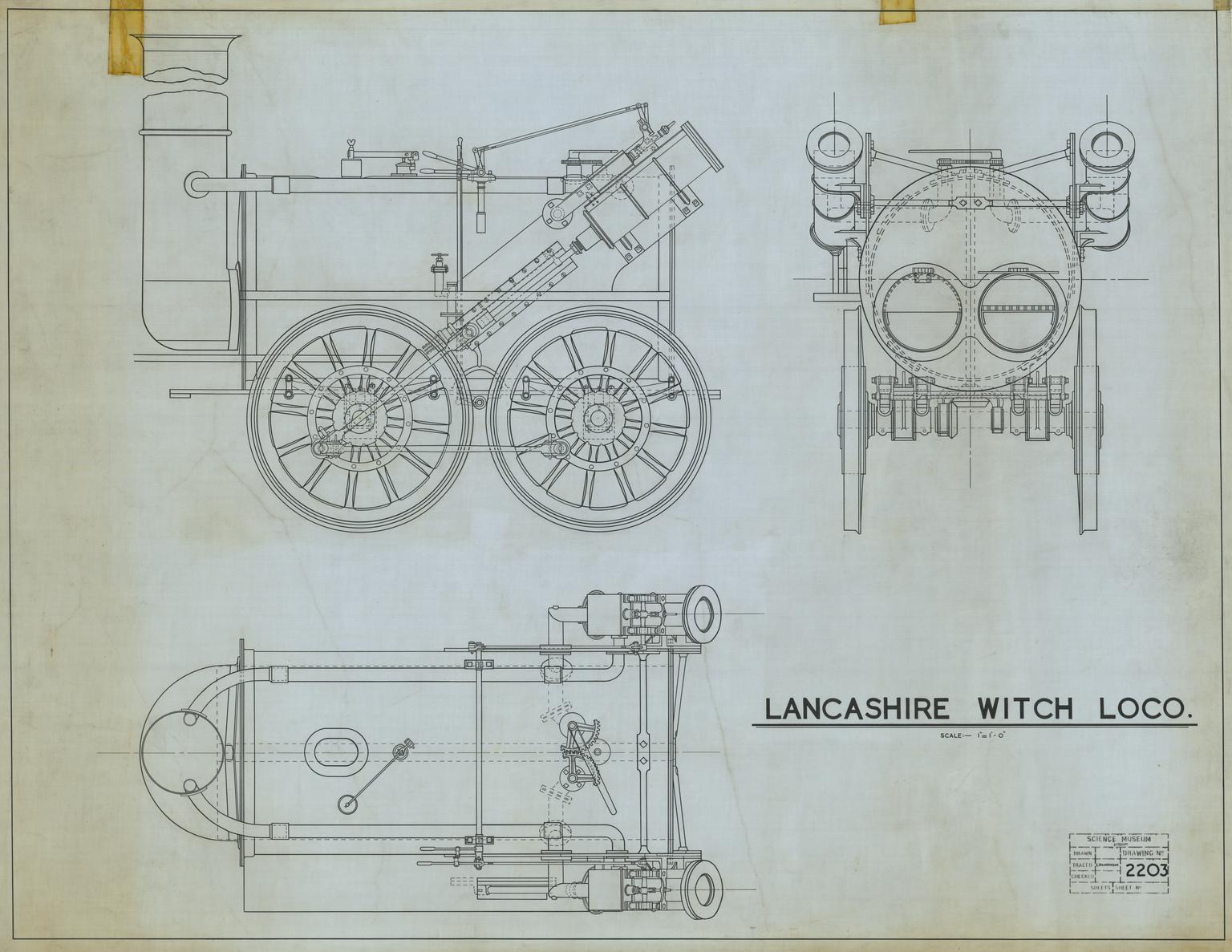
‘Lancashire Witch’ locomotive designed by Robert Stephenson is completed for the Bolton and Leigh Railway.
Technology -
Construction began on the Baltimore & Ohio railroad in America, where engineers closely followed reports of Stephenson’s progress with the Liverpool and Manchester Railway.
Technology -
Robert Stannard convinced George Stephenson to lay timber in a herringbone pattern so the railway could effectively ‘float’ across Chat Moss. The method proved successful.
Technology -
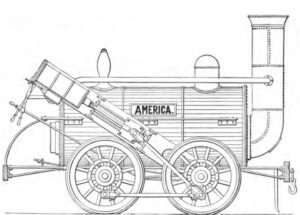
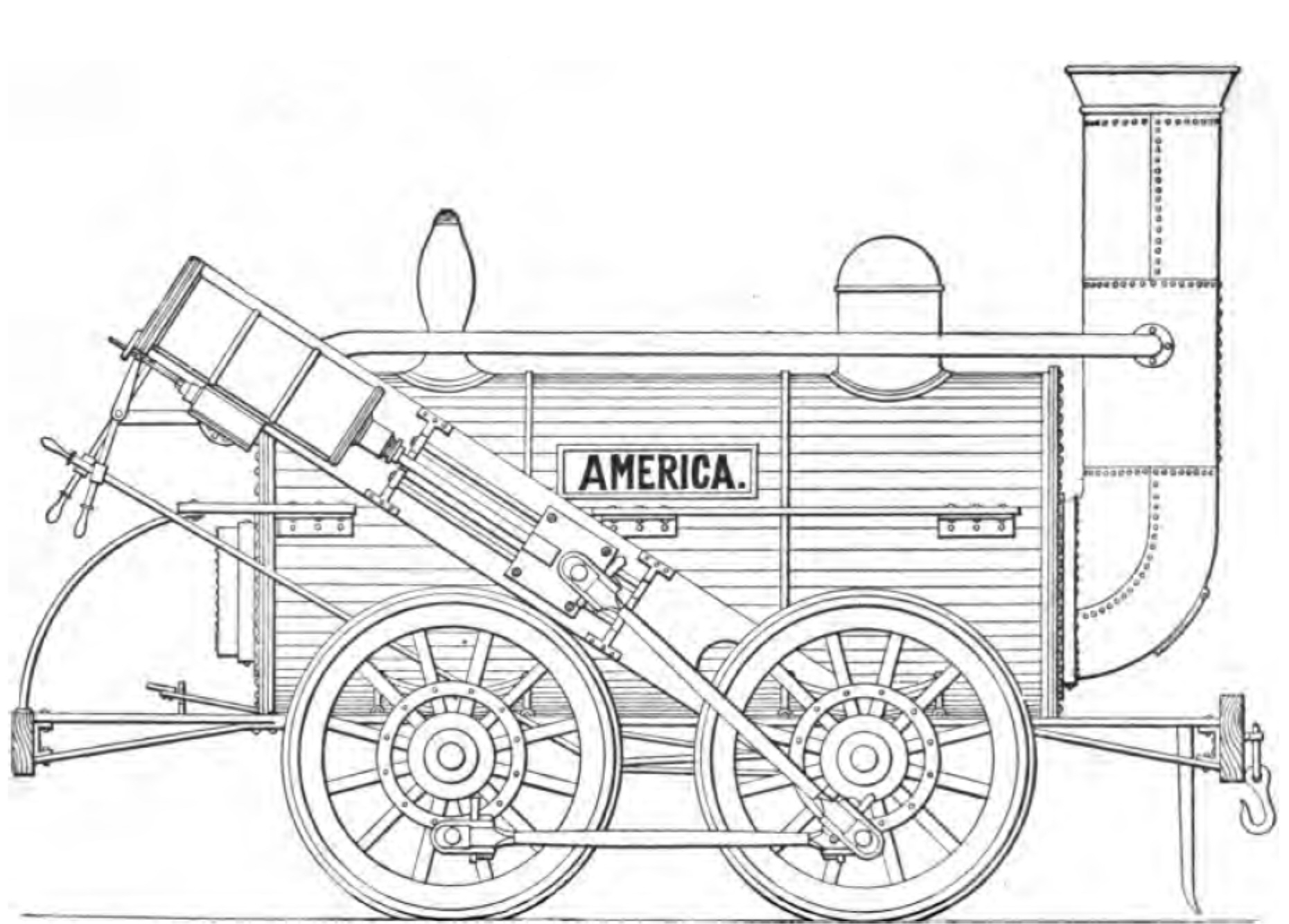
A Stephenson designed locomotive named ‘America’ (originally the ‘Pride of Newcastle’) arrived in New York bound for the Delaware and Hudson Canal Company.
Technology -
Delegates from Liverpool, Manchester and Glasgow pressed the Prime Minister, the Duke of Wellington, and the cabinet for free trade with India and China.
Political events -
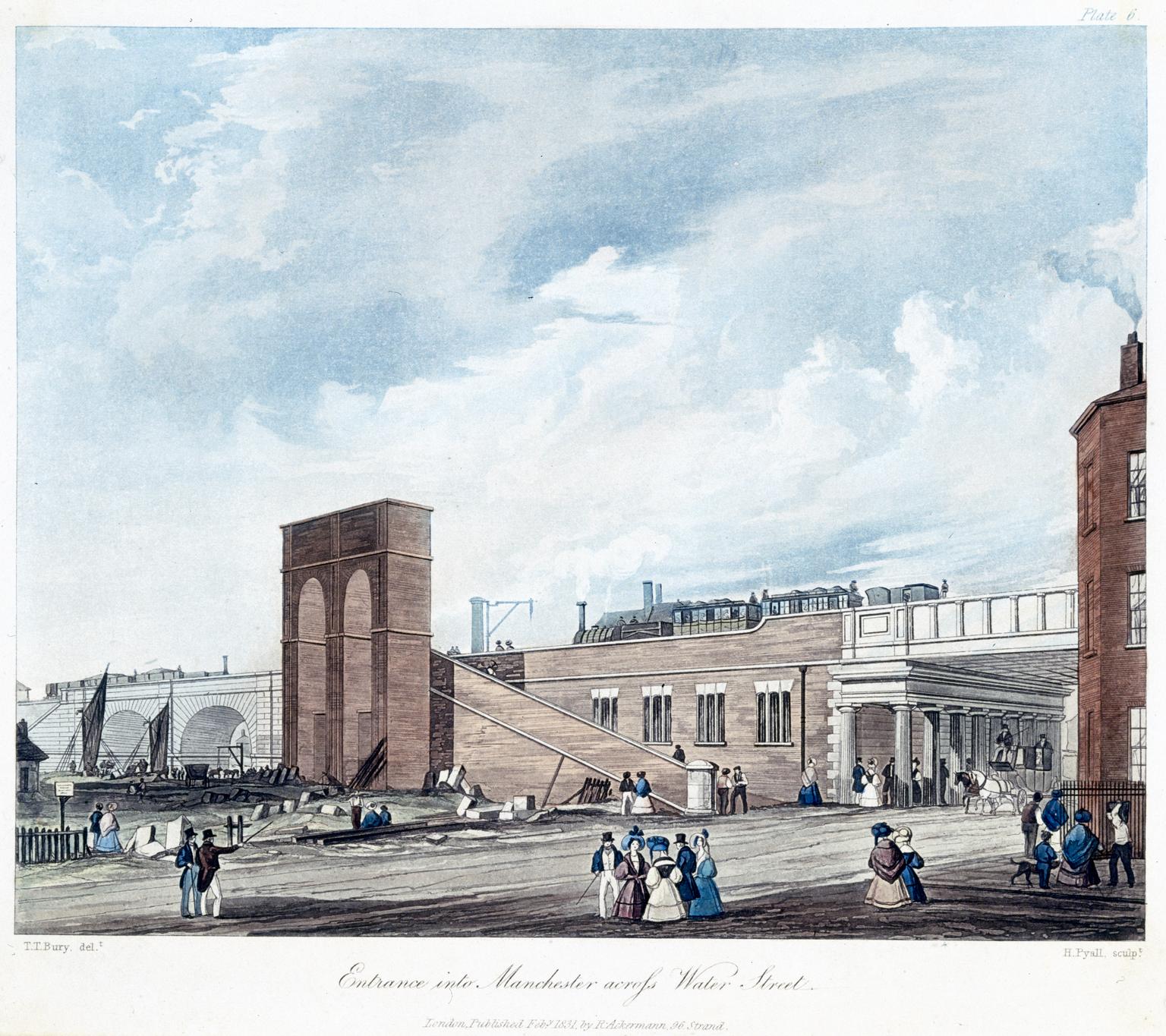
The railway company received parliamentary approval to terminate at Liverpool Road in Manchester.
Political events -
‘Lancashire Witch’ was loaned from the Bolton and Leigh Railway to work on the construction of the railway at Eccles for three months.
Technology -
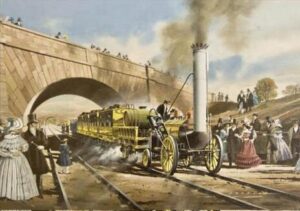
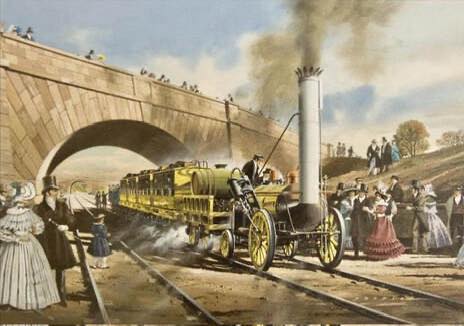
The Rainhill Trials: competition held to decide the form of locomotive to be used on the Liverpool and Manchester Railway. The ‘Rocket’ is the only engine to complete the trial, Robert Stephenson was commissioned to make locomotives for the railway.
Technology -
‘Rocket’ crossed Chat Moss pulling several carriages with forty passengers at average of 16 mph, reaching 30 mph on the return trip.
Technology -
Vulcan Foundry was established at Newton-le-willows by Charles Tayleur to make ironwork like girders for the railway.
Society -
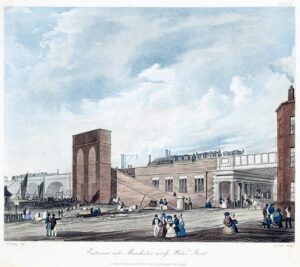
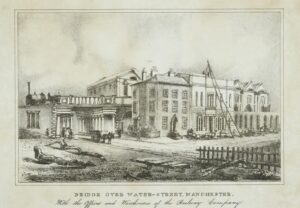
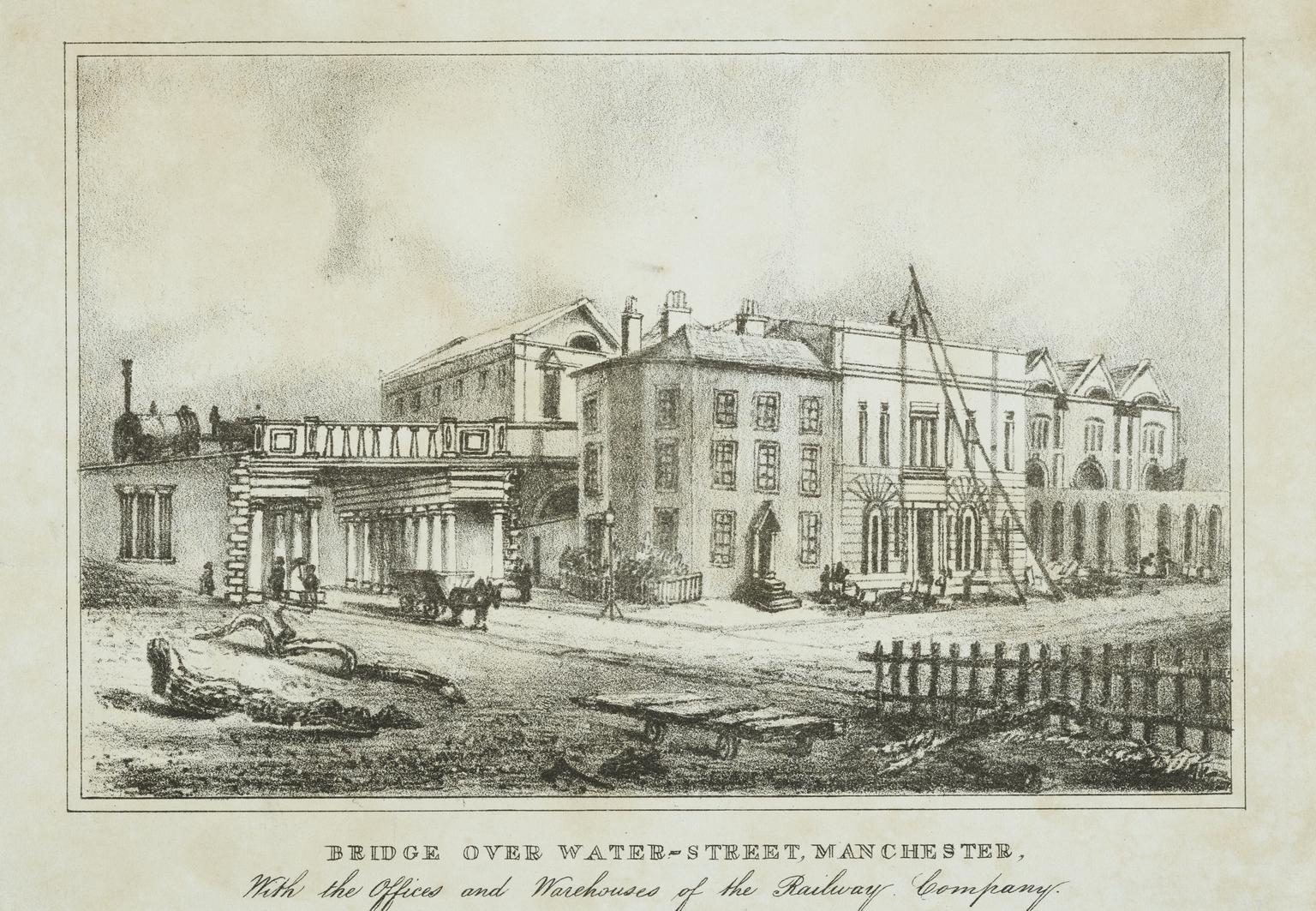
Eaton Hodkinson delivered a lecture on iron beam research to the Manchester Literary and Philosophical Society. Hodkinson’s work with Lillie and Fairbairn, Ancoats-based engineers, enabled Stephenson to use cast iron beams for the bridge over Water Street.
Technology -
The first full journey of the directors of the Railway Company from Liverpool to Manchester on the railway took place.
Society -
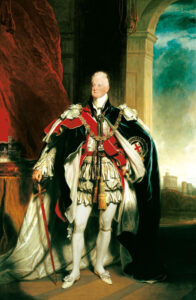
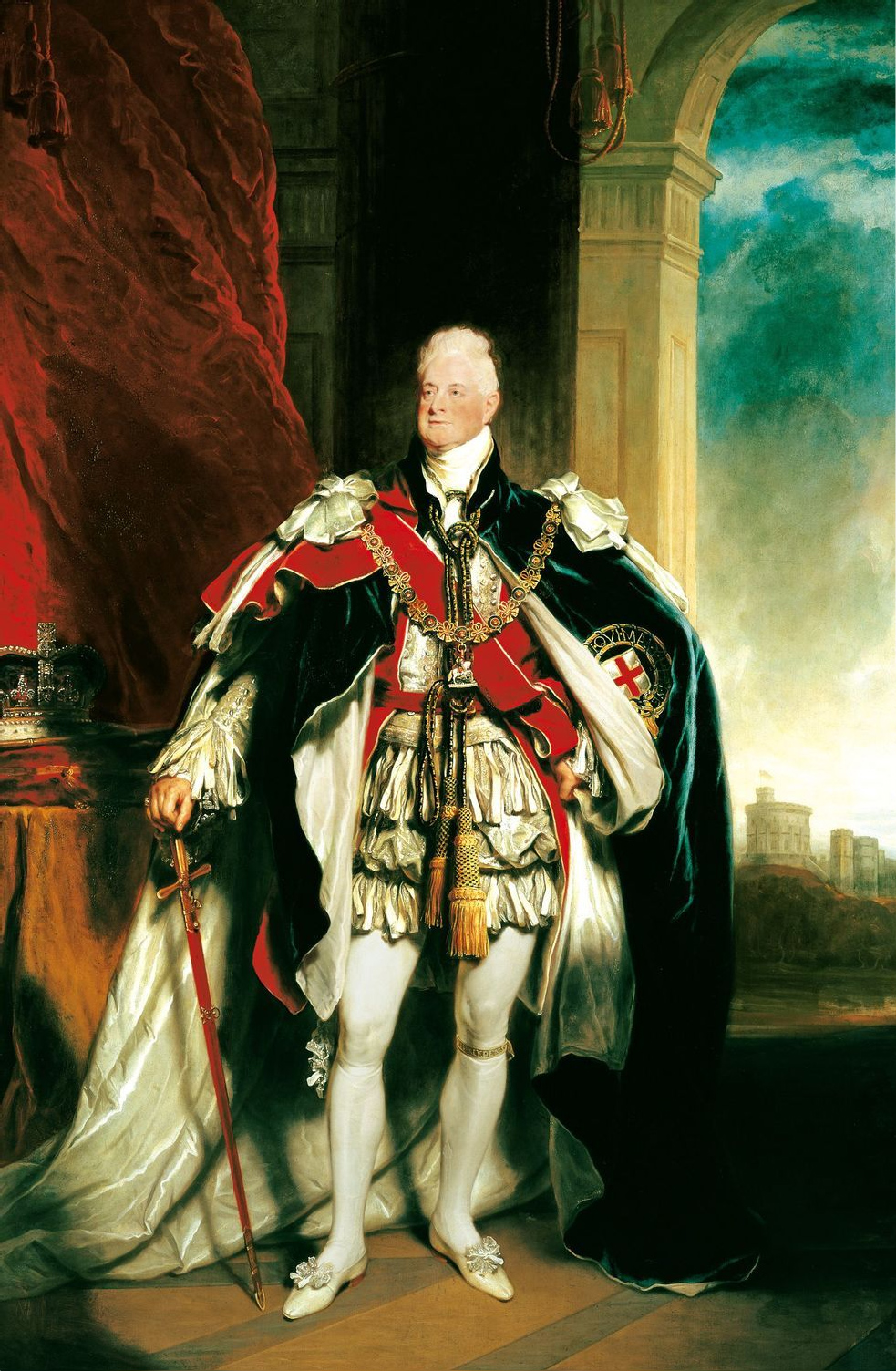
Death of George IV / accession of William IV
Political events -
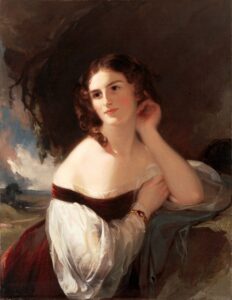
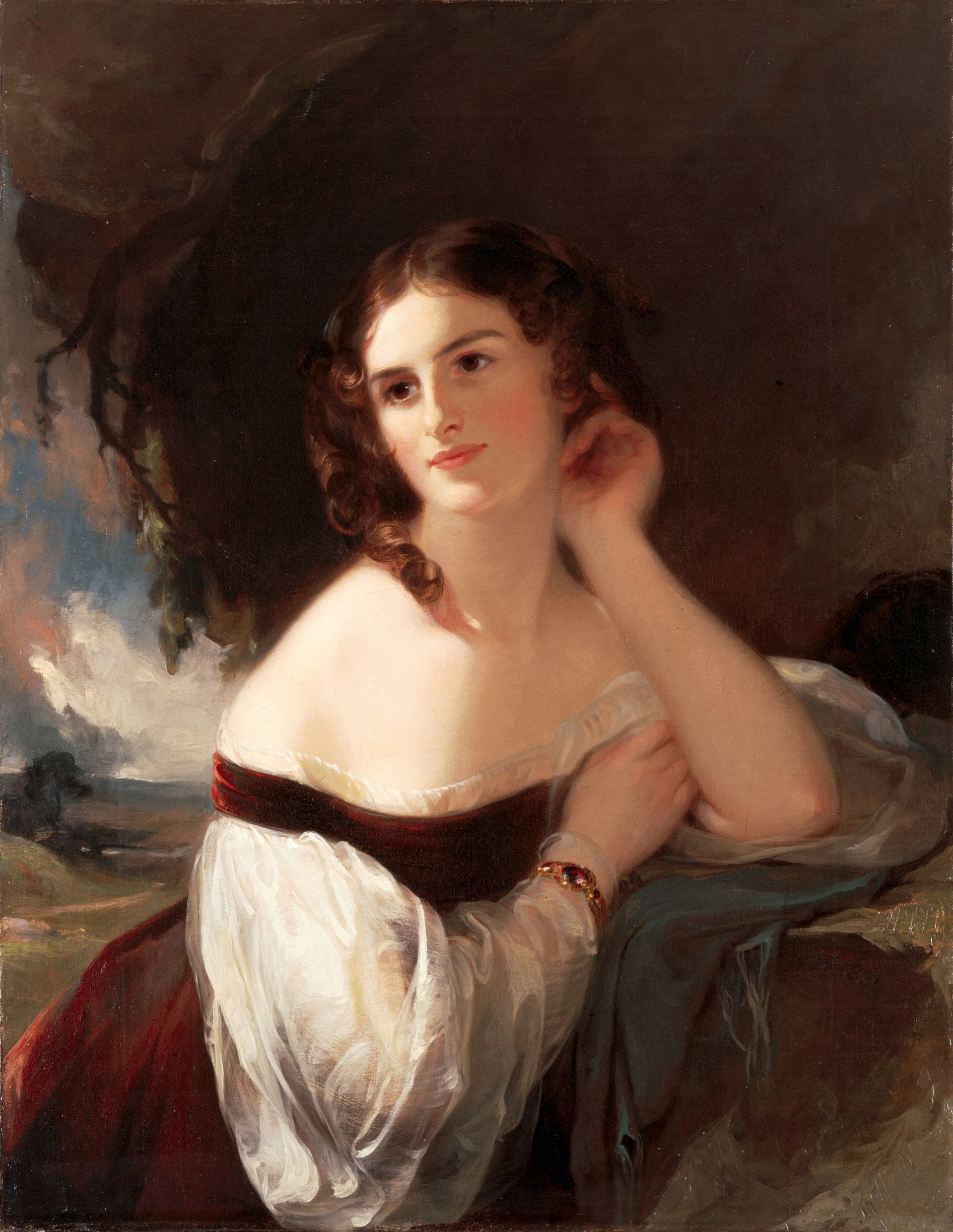
Actress and socialite, Fanny Kemble, rode on an exclusive trip along 15 miles of the railway with George Stephenson. Fanny wrote a vivid letter detailing the sensation of the train ‘cutting the air’, yet ‘the motion was as smooth as possible’. ‘When I closed my eyes this sensation of flying was quite delightful and strange beyond description.’
Society -
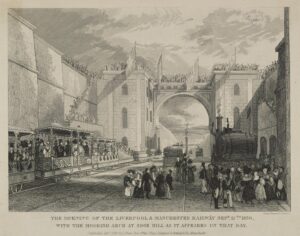
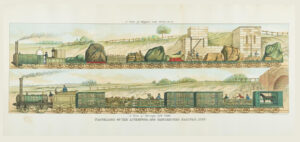
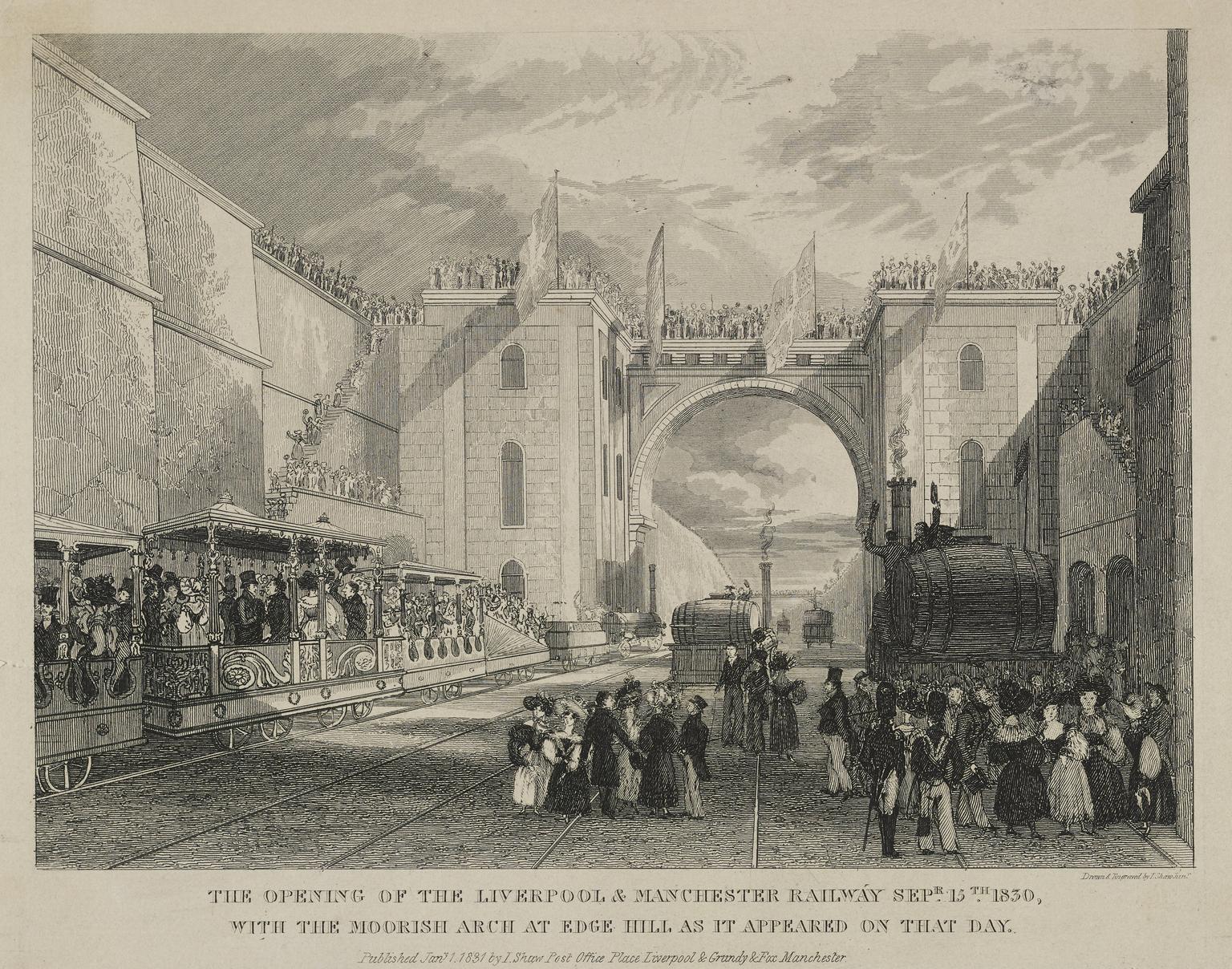
Opening of the Liverpool and Manchester Railway. William Huskisson MP died after an accident on the railway at Parkside.
Society -
John Thomas, whose face was wounded during the firing of cannons at the opening ceremony was granted £10 compensation.
Society -
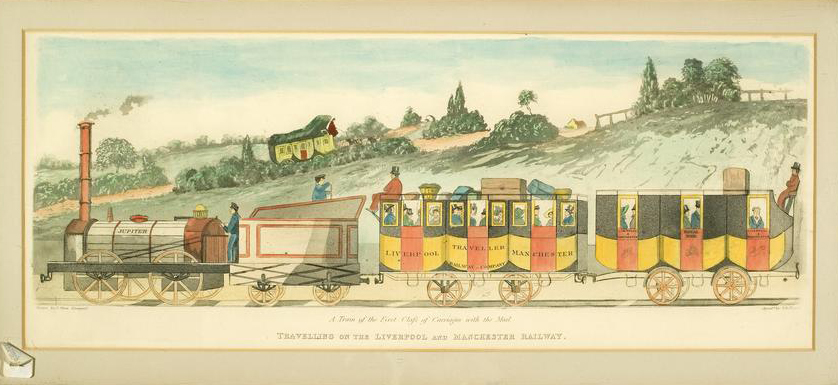
A timetable for passengers between Liverpool and Manchester began, with four services for first class coaches and two services for second class coaches per day.
Society -
Royal Mail coaches mark the first transportation of mail by a railway.
Society -
Charles Grey, 2nd Earl Grey became Prime Minister.
Political events -
The ‘Planet’ locomotive, built by Robert Stephenson, reaches Manchester from Liverpool in sixty minutes.
Technology -
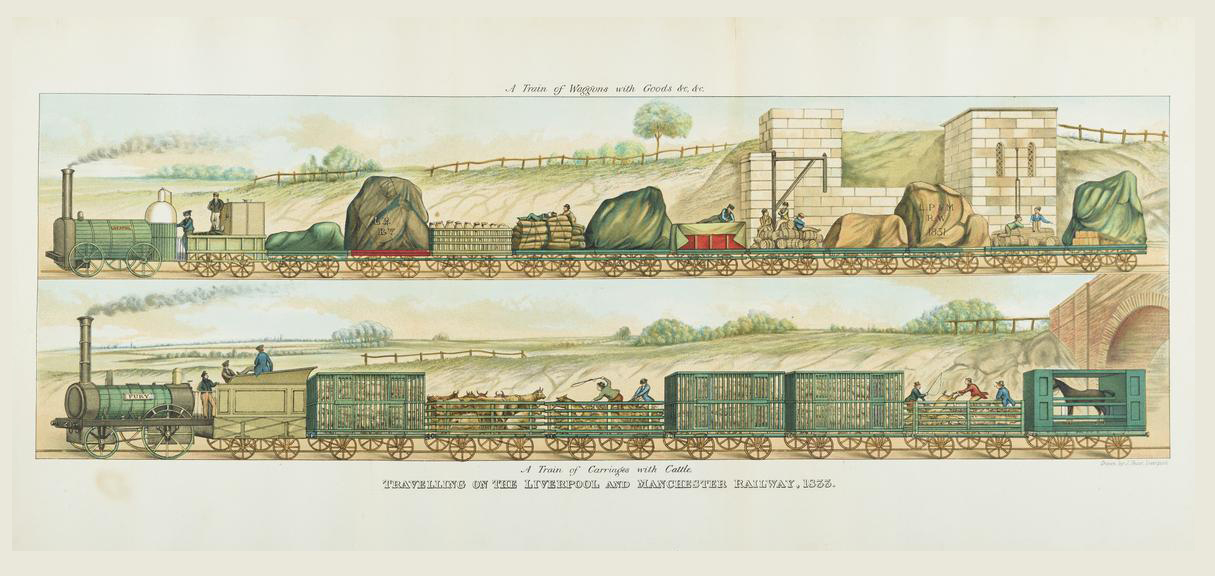
The first freight was transported on the railway.
Technology