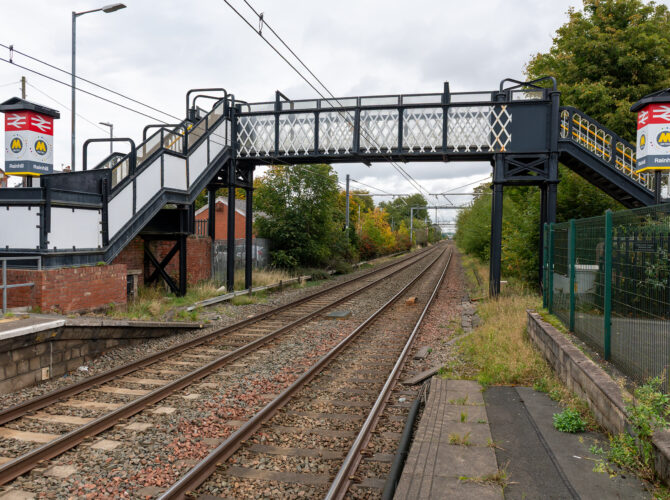
Where Rocket won the day.
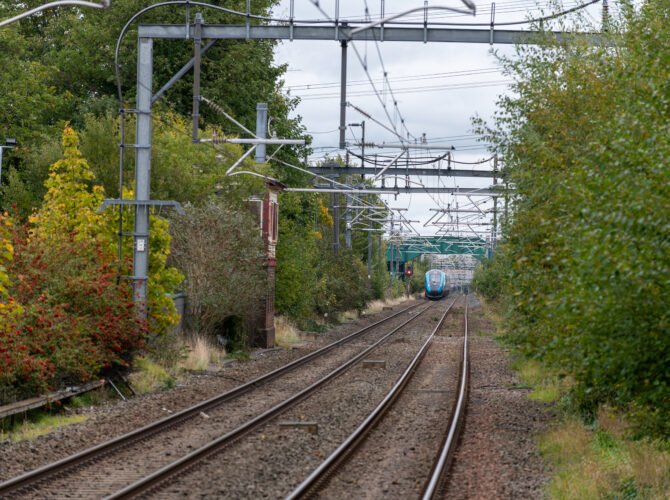
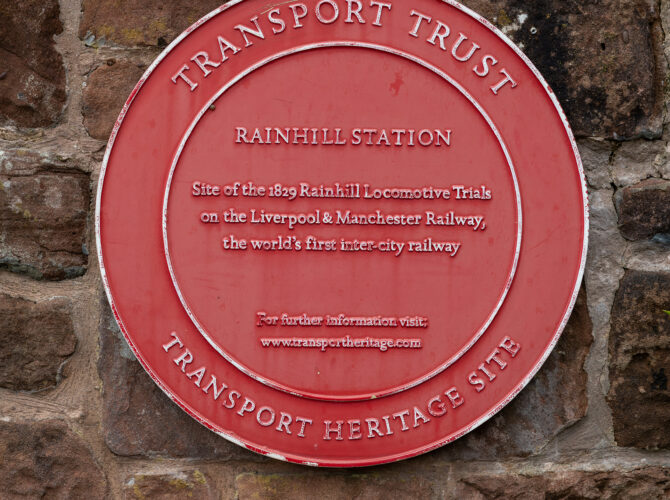
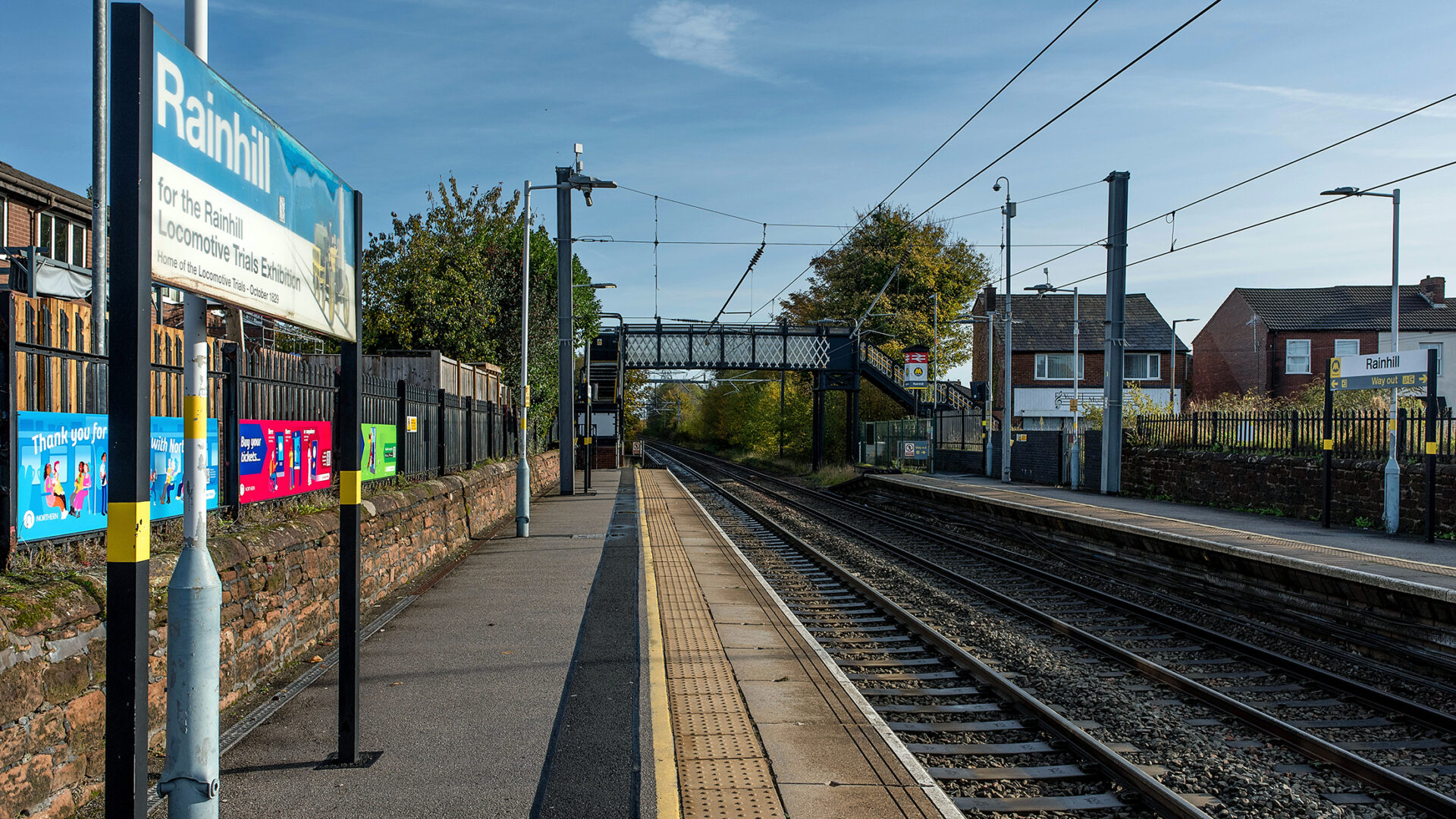
Between Rainhill and Lea Green lies a mile-and-a-half stretch of track that hosted a defining moment in railway history. In October 1829, this section was chosen for the Rainhill Trials, a public competition to test whether the new Liverpool and Manchester Railway should be powered by steam locomotives or stationary engines.
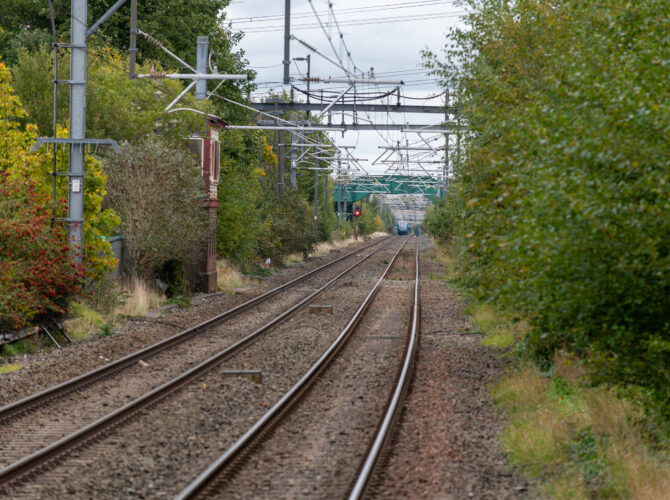
The track’s straight, gently rising gradient made it ideal for the challenge, offering a clear line of sight for judges and spectators. Though it looks ordinary today, this was where the age of steam stepped into the spotlight.
Why it matters
Rainhill gave steam locomotives a chance to prove themselves at a time when many doubted their reliability. The railway’s board had largely favoured stationary engines, and some directors were openly cautious about giving George Stephenson and his son too much influence.
The trials helped change that. Rocket’s smooth and consistent performance shifted opinion toward moving engines and laid the groundwork for a new era of rail travel. It wasn’t the end of the story, Rocket itself was quickly overtaken by more advanced designs, but it was the moment when steam showed it was ready to lea