Interesting stories.
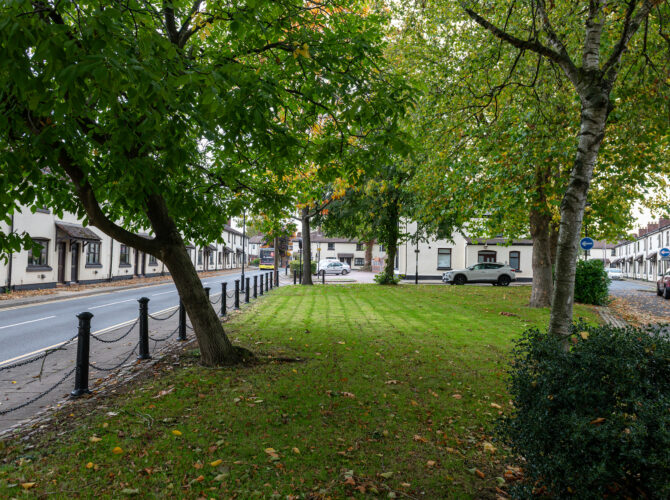
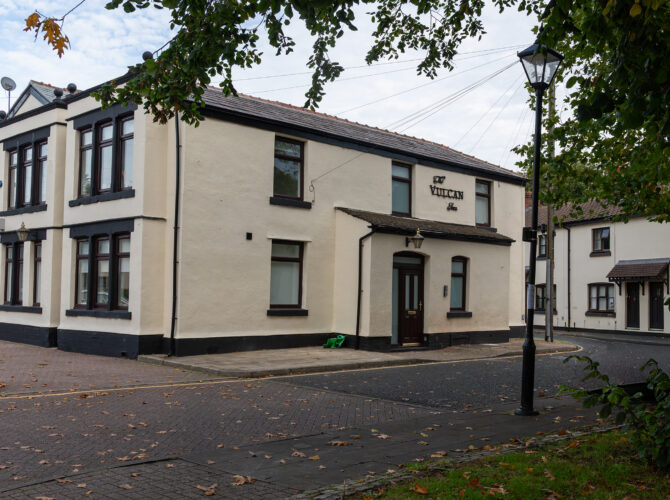
Vulcan Village was more than just housing, it reflected a growing ambition to create a stable and orderly community for the foundry’s workforce. As the village developed, features like allotments, a school and a communal bath/washhouse were added to improve everyday life. Built on the village green, the bath/washhouse was a rare facility for workers’ housing at the time and likely made a big difference to hygiene and comfort. Later, the Vulcan Hotel became a popular meeting place for workers after their shifts. Though much has changed, the village has remained a residential community ever since.
What to look out for…
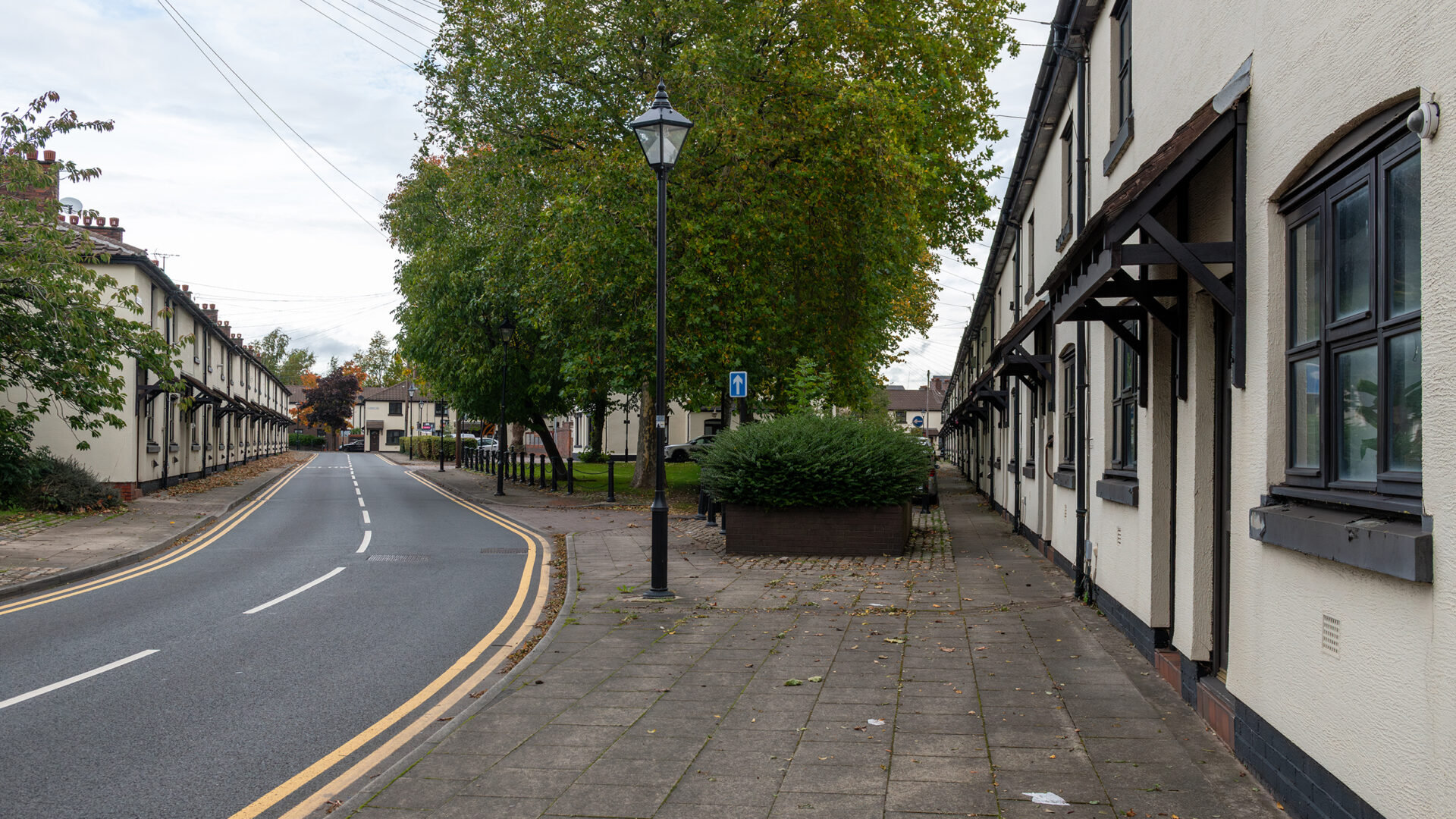
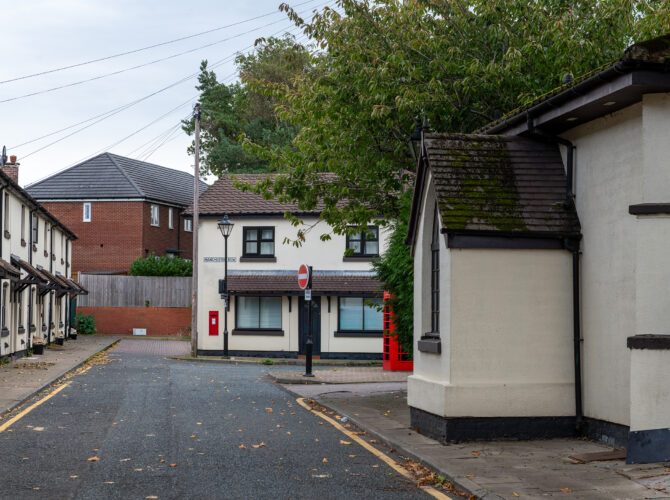
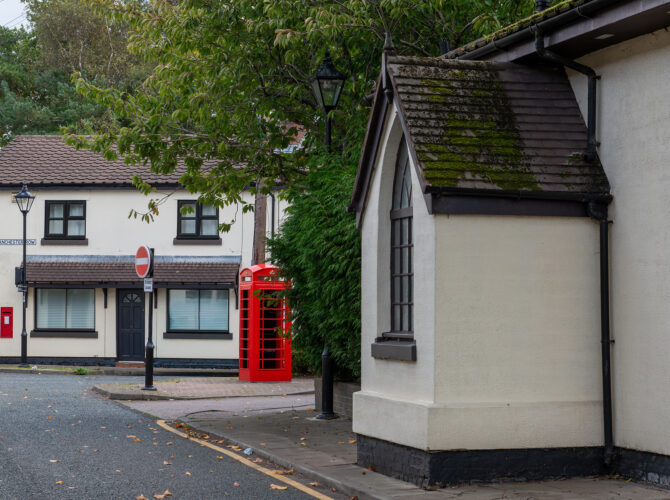
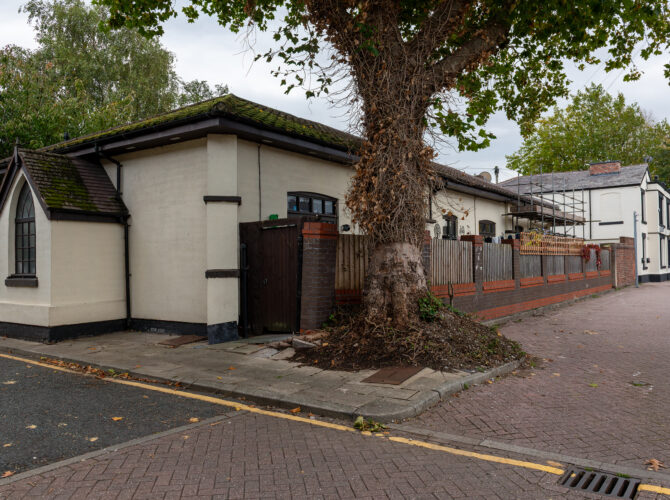
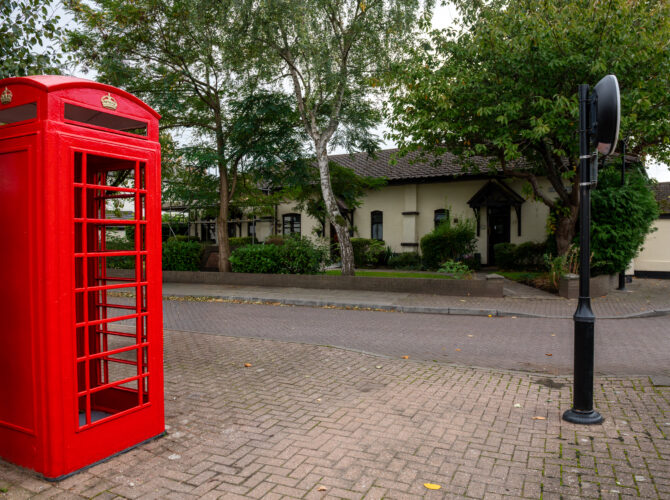
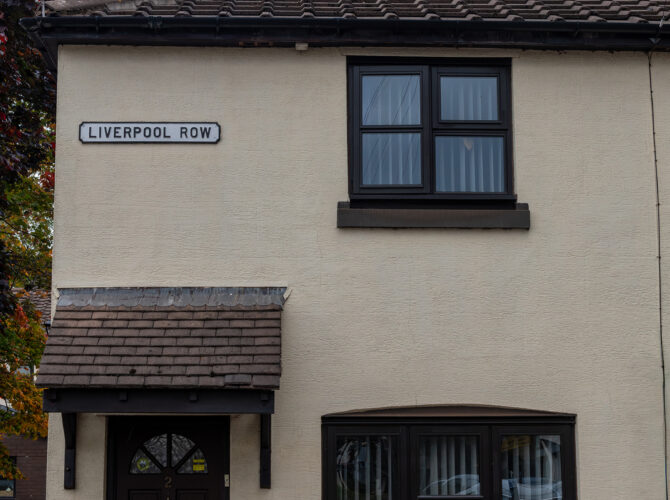
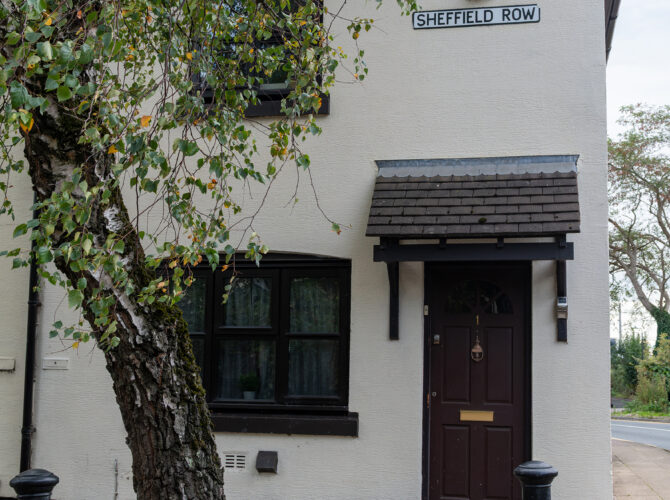
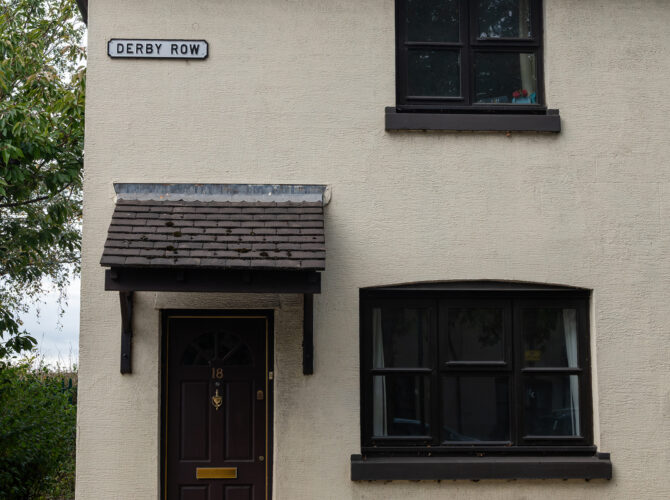
The village layout is still clearly recognisable, with long rows of terraced cottages arranged around open greens. Although the houses were virtually rebuilt in 1984 to bring them up to modern standards, the overall plan and character of the village remain remarkably intact. Street names like Liverpool Row, Manchester Row and Sheffield Row nod to the railway towns served by Vulcan-built engines.
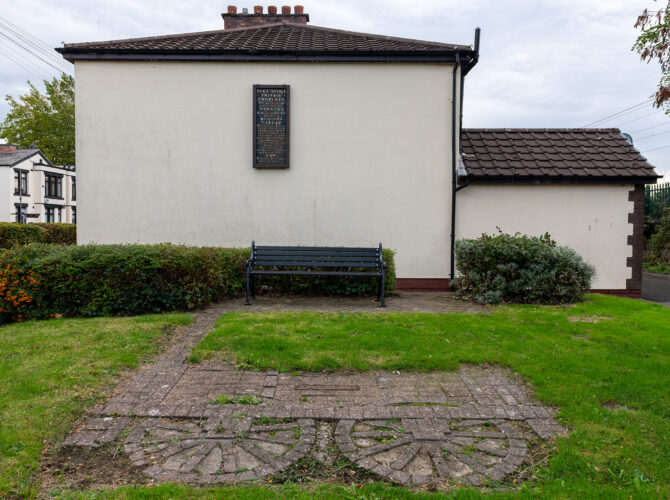
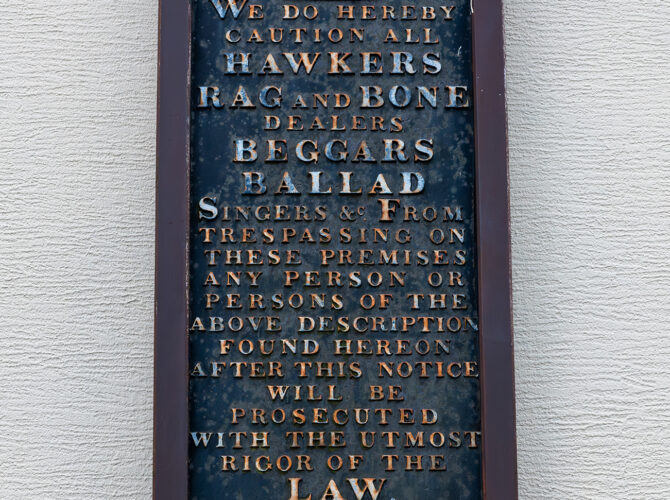
Look out for the cast-iron plaque dated 1835 that bans hawkers and ballad singers. It’s a rare survival and a clue to the values of the time, the foundry owners wanted a quiet, orderly village free from the noise and distractions of street traders and performers. These rules were part of a broader effort to foster respectable living among workers.
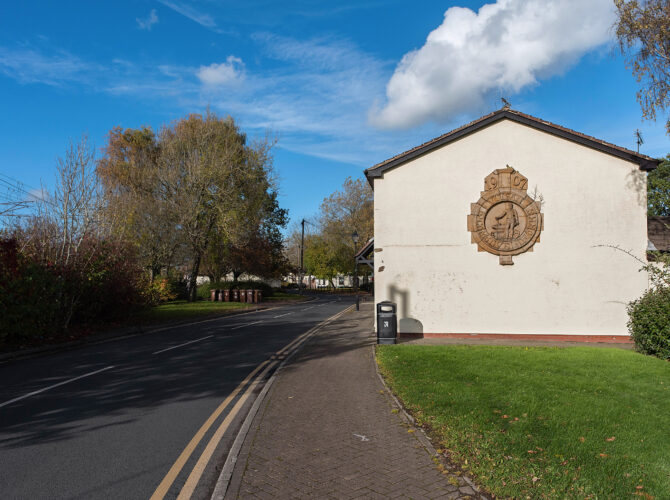
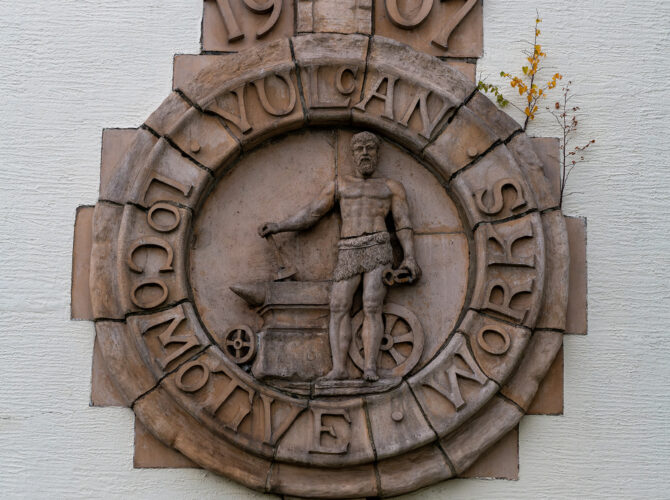
You might also spot a gable end with the Vulcan Foundry crest, a small but proud reminder of the world-class engineering that shaped the community.
This content is adapted from:
https://www.sthelens.gov.uk/media/3084/vulcan-village-conservation-area-appraisal/pdf/vulcan-village-conservation-area-appraisal.pdf
https://en.wikipedia.org/wiki/Vulcan_Village