Manchester

Former Grape Street Railway Bonded Warehouse

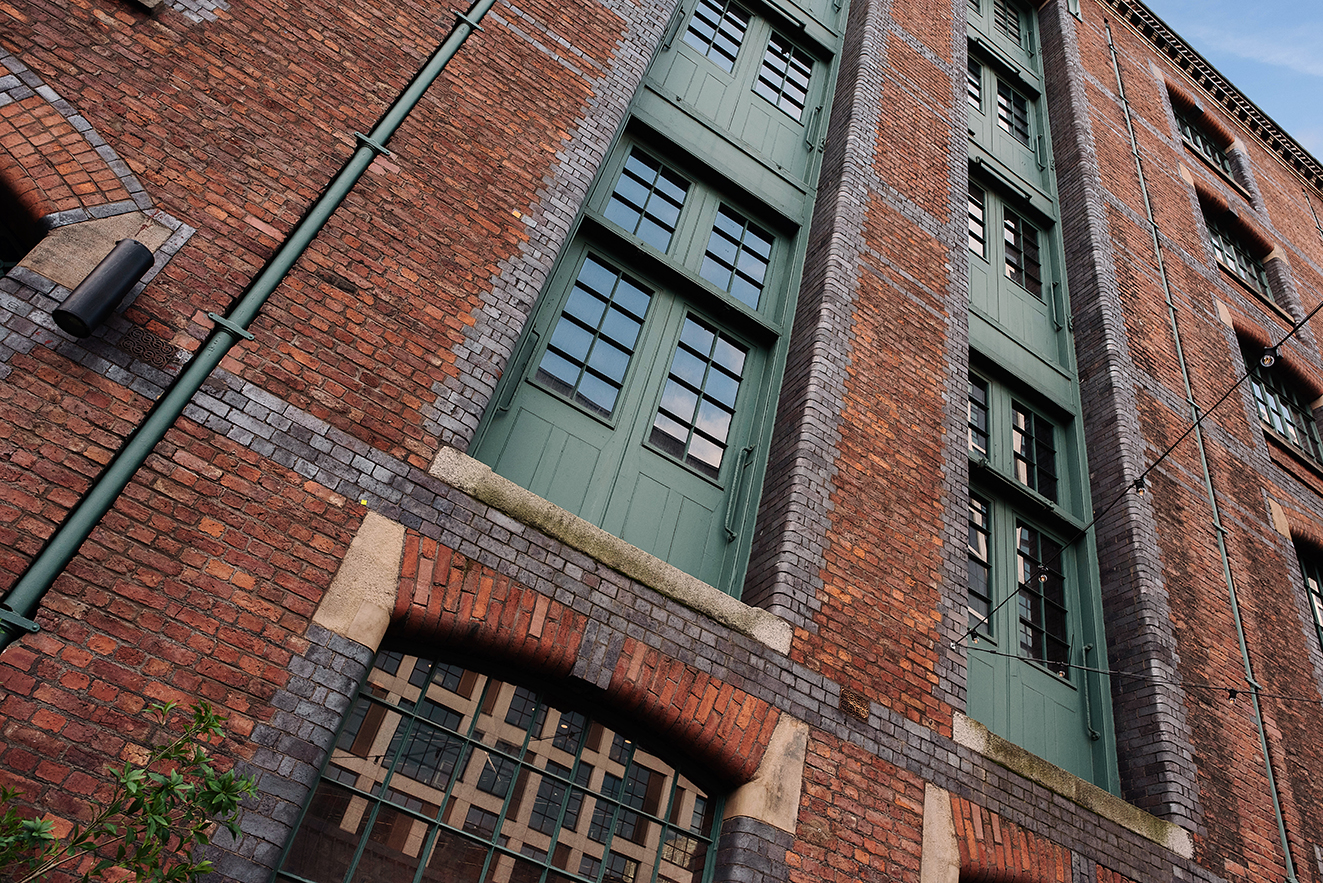
Upward view of the warehouse’s red brick wall with tall green loading doors and windows set between vertical brick piers.
© Manchester Histories

The keeper of untaxed cargo.

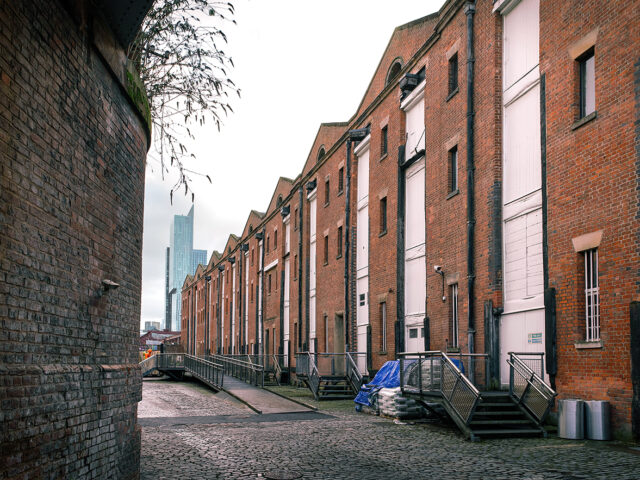
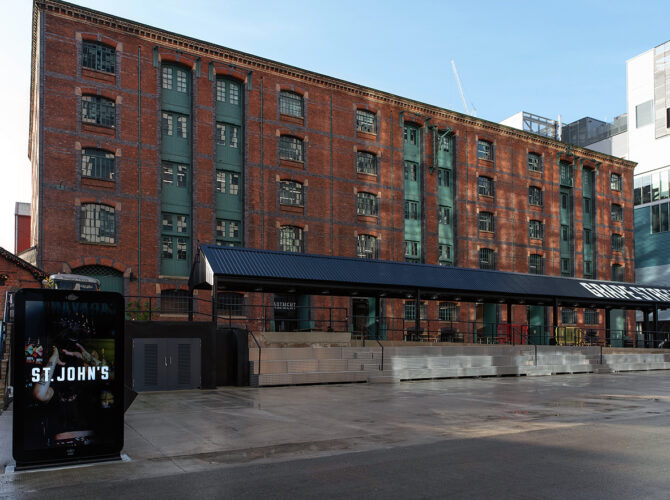
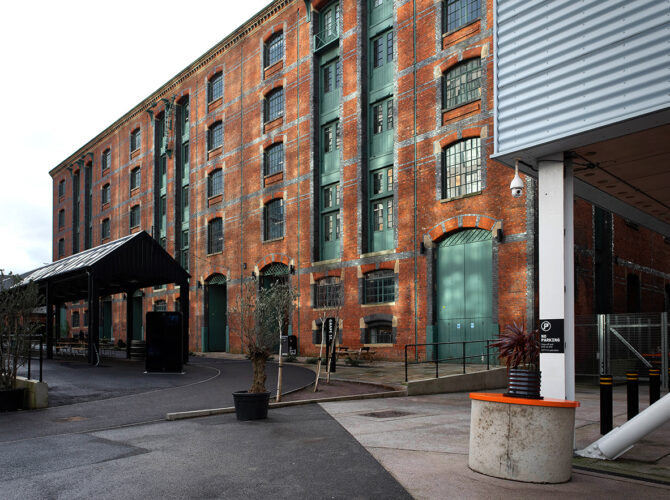
This tall red brick warehouse stands at the end of Grape Street, just off Quay Street, close to the former Liverpool Road goods yard. Built in 1867 by the London and North Western Railway, it was a bonded warehouse, meaning goods like tobacco, alcohol and tea could be stored tax-free until they were sold. The building is five storeys high and was positioned for direct connection to the extensive railway infrastructure serving the Liverpool Road Station complex.

Why it matters

It is one of the last major Victorian railway warehouses in Manchester still standing. The Bonded Warehouse represents an important part of the city’s railway goods infrastructure, built during a period when the railways dominated freight handling in cities like Manchester. It is especially notable for its use as a bonded facility which made it a key link in the national and international trade network. Its architecture, with strong brickwork and cast iron features, speaks to a time when storage had to be secure, fireproof and built to last.
Interesting stories?

The warehouse was part of a much larger complex of bonded and standard goods warehouses all linked by sidings and tramways to the Liverpool Road Station. Its design includes hoists and wide loading doors on every level so goods could be winched directly from railway wagons into upper storeys. These practical features remain visible today and help tell the story of how goods were moved, lifted and stored in Manchester’s railway age.

In the 1980s the warehouse became part of the Granada Studios complex, placing it right at the heart of Manchester’s booming television scene. It was used as offices and storage for production teams behind some of the UK’s best-loved programmes including Coronation Street whose iconic exterior set stood just outside, next to the warehouse.

In more recent years the building has housed creative industries and tech firms and is now part of the Enterprise City development. Surrounded by modern architecture it still stands tall as a Victorian heavyweight.

What to look out for…

The red brick walls are detailed with blue and black brick banding and arched openings. Look up and you will see the tall green hoist doors stacked floor by floor, once used for lifting goods. The building has a striking rhythm of bays with cast iron window frames, sandstone sills and decorative brick piers.

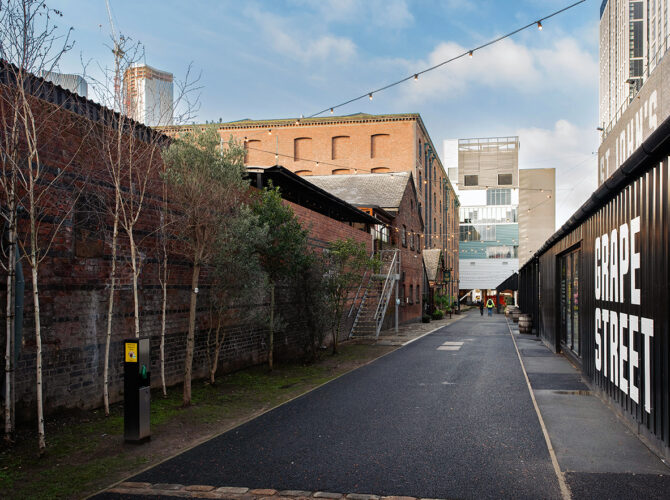
At street level, the covered loading platform with a pitched roof is a rare surviving feature that shows how goods were moved in and out. The entrance to Grape Street itself is worth noting too as it still follows the line of the original service road where carts once lined up for cargo coming off the trains.

This content is adapted from:
https://historicengland.org.uk/listing/the-list/

Explore related content

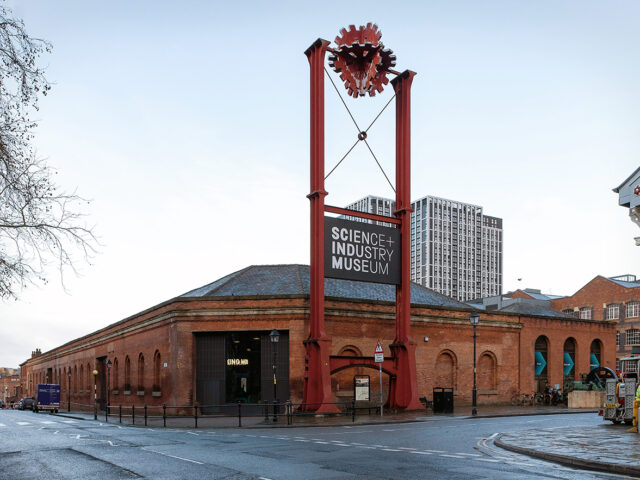
Corner view of the Power Hall with a tall red iron gantry structure marking the museum entrance and surrounding historic buildings.
Manchester

The Power Hall

The hall of giants. This long brick building on Liverpool Road was originally constructed around 1855...