Manchester

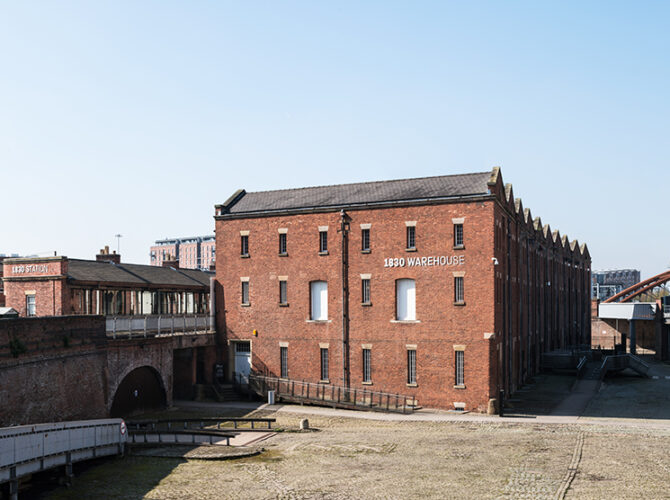
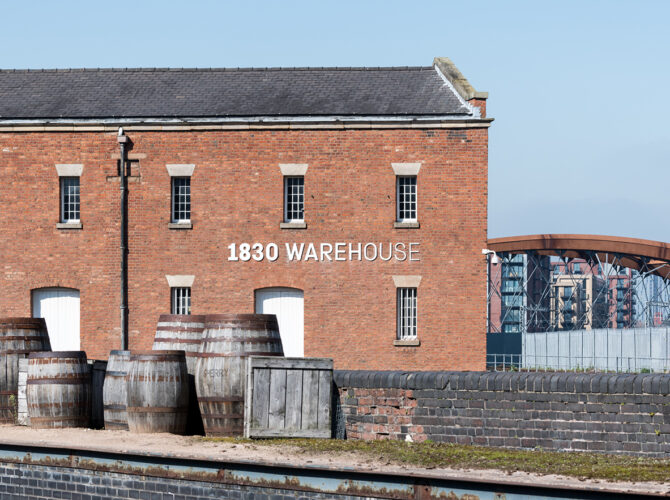
Old Warehouse to North of Former Liverpool Road Railway Station (1830 Warehouse)

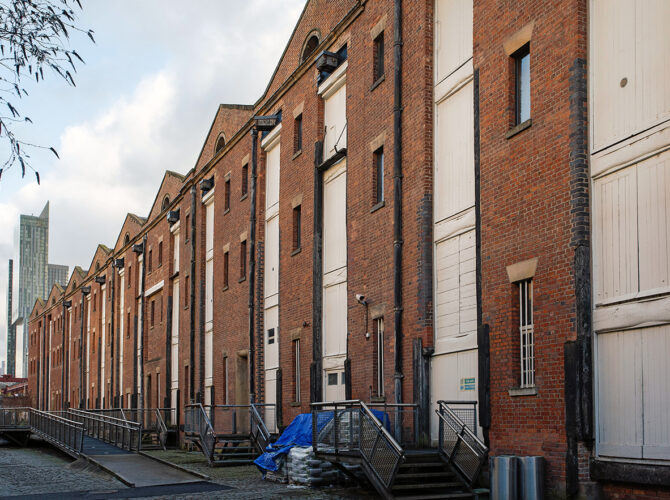
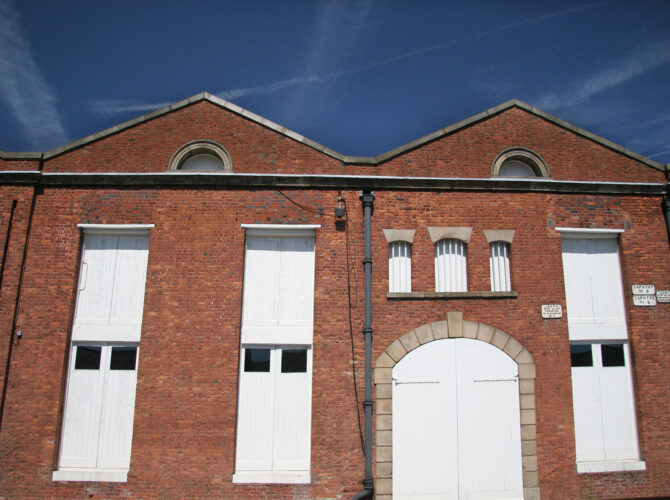
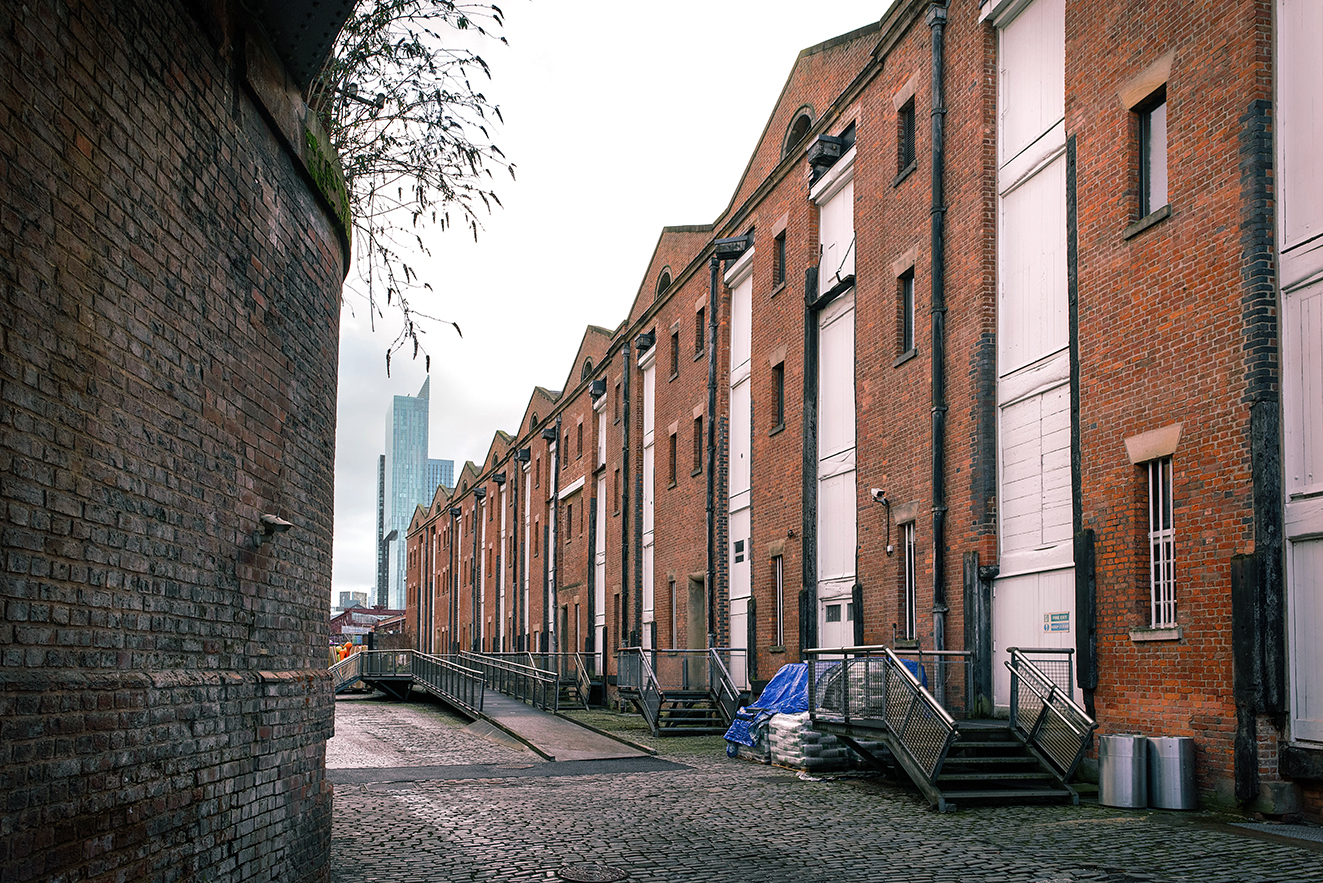
Perspective view along the former Liverpool Road warehouse range, showing repeated brick bays with loading openings, shuttered doors, and metal steps facing the cobbled yard.
© Manchester Histories

The first railway warehouse.

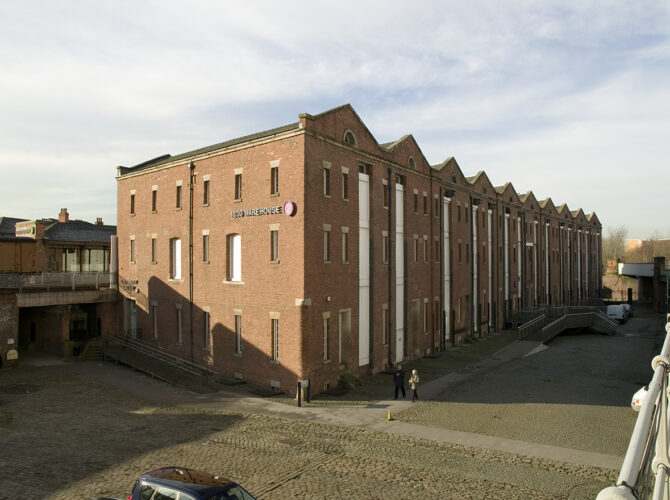
This red-brick warehouse is part of the former Liverpool Road Station, the terminus of the world’s first passenger railway. Built in 1830, it was designed to handle goods arriving by train from the port of Liverpool,  a key link in the supply chain that powered Manchester’s growth.

Wagons entered the building on raised tracks and goods were hoisted between floors for storage and onward transport. The warehouse was built with strength and efficiency in mind, with arched loading bays, timber floors and cast-iron columns to support heavy cargo.

Today, it forms part of the Science and Industry Museum, where exhibitions explore the very technologies and industries the building once served. Its walls now hold stories instead of shipments, but its industrial character remains.


Why it matters

This was the world’s first purpose-built railway warehouse, designed in 1830 to handle goods brought in by train from Liverpool. It made the transfer of freight faster, safer and more organised, a major step forward in how cities handled trade.

Its design was practical but pioneering. Wagons entered at track level, goods were lifted between floors, and the layout allowed rail and road to work together in one building.

While other early railway sites survive along the Liverpool to Manchester line, this warehouse stands out for its scale, condition and the role it played at a key moment in railway history. Today, it offers a rare opportunity to step inside one of the earliest buildings shaped by the railway age, and to see how this new form of transport began to change the way goods moved through cities like Manchester.
Interesting stories.

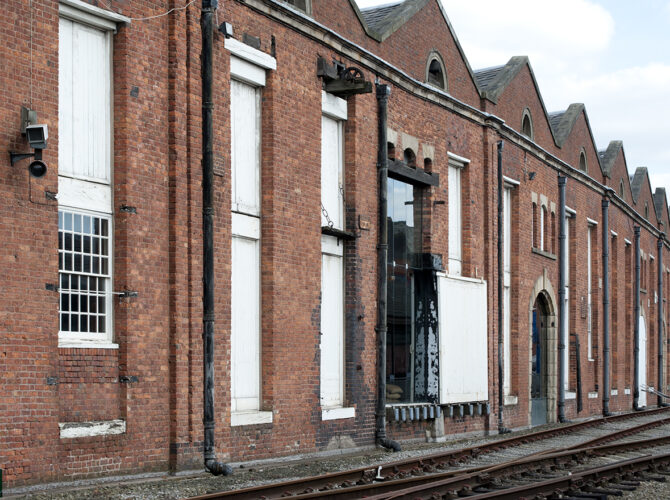
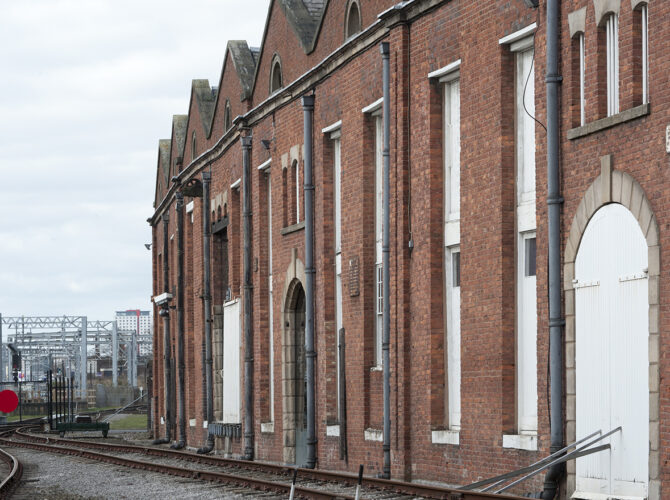
The warehouse was built with practical innovation in mind. Large wagon archways and loading slots helped speed up the movement of goods. It used brick and cast iron to create open internal spaces strong enough to support hoists and heavy cargo.

Archaeological investigations found oyster and cockle shells among the rubble, suggesting that shellfish were once stored here. It’s a surprising detail that hints at the variety of trade flowing through early Manchester.

In May 1866, a devastating fire tore through nearby cotton warehouses at the Liverpool Road site. Flames threatened to engulf the whole complex, but thanks to the efforts of firefighters tackling the blaze from the connecting tramway bridge, the 1830 Warehouse was spared.


What to look out for…

The warehouse’s long arched windows and carefully laid brickwork show the strength and precision of early industrial building. Its raised position reflects how wagons once arrived at the upper level, allowing goods to be unloaded straight into the building from the railway behind.

Inside, timber beams and original cast-iron columns still support the upper floors, while narrow staircases and hoist openings hint at how freight was moved between levels. The combination of stone, timber and iron speaks to a time when form followed function.

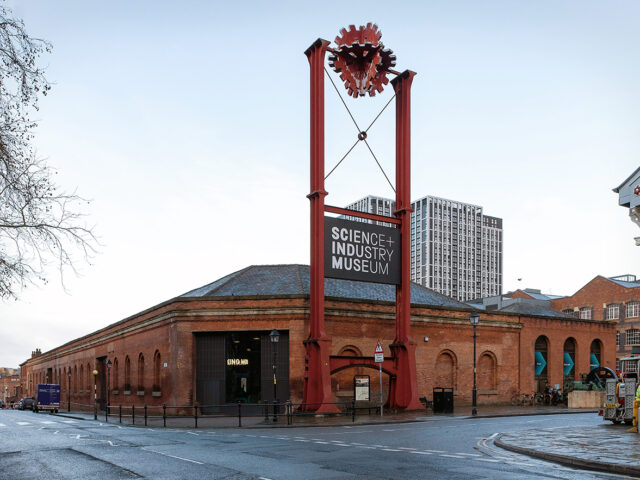
Near the entrance, a large red iron gear serves as a quiet tribute to the city’s engineering past, a symbol of the power and ingenuity that once filled this place with noise and movement.

This content is adapted from:
https://historicengland.org.uk/listing/the-list/
https://www.scienceandindustrymuseum.org.uk

Explore related content

Corner view of the Power Hall with a tall red iron gantry structure marking the museum entrance and surrounding historic buildings.
Manchester

The Power Hall

The hall of giants. This long brick building on Liverpool Road was originally constructed around 1855...