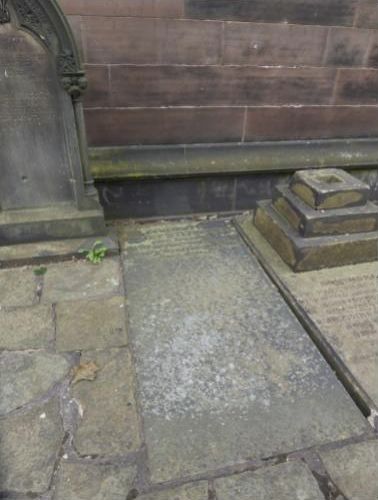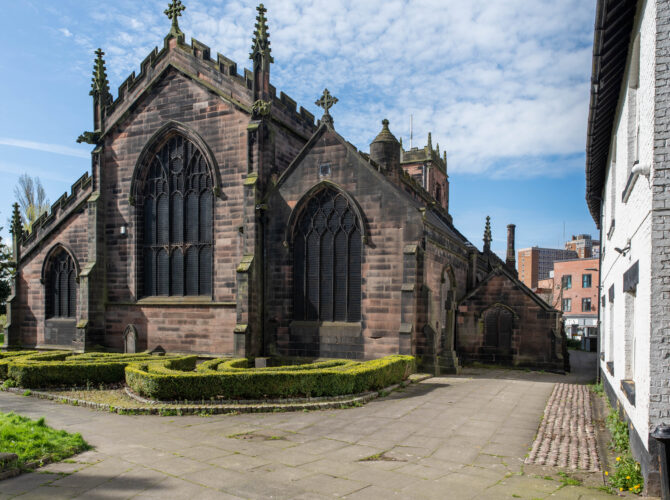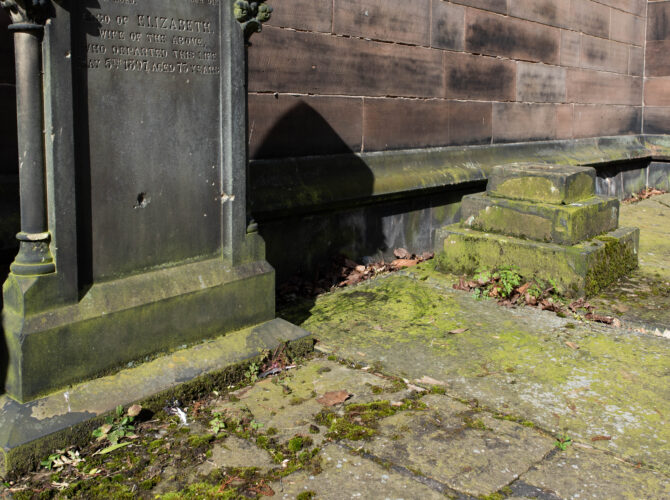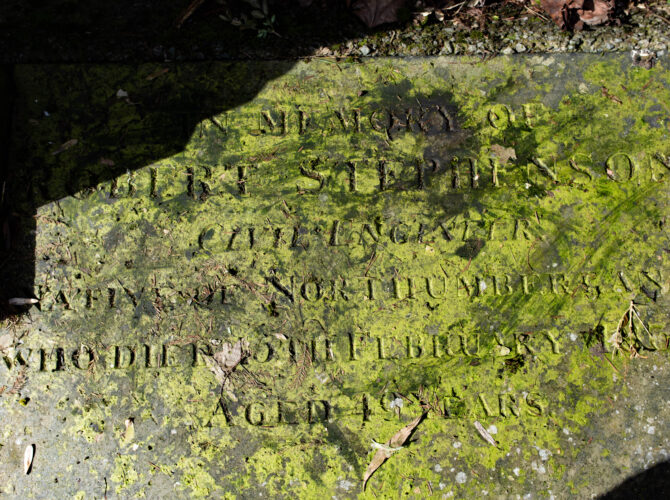
A familiar name, a different story.
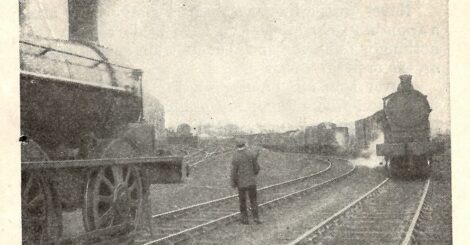
When we hear the name Robert Stephenson, most of us picture steam locomotives, iron rails and the famous Rocket racing at Rainhill. It is a story of bold invention and public triumph. But just beyond that spotlight is another Robert Stephenson, whose story is quieter but just as important.
Robert Stephenson, born in 1788, was George Stephenson’s younger brother. Unlike his brother and nephew, he did not design railways or build great structures. Instead, he worked deep in the industrial world that made the railway age possible.
Life in the world of coal and steam
The Stephenson family came from coal. Their father worked as a colliery fireman in Northumberland, tending the steam engines that kept mines from flooding. For them, steam was not a marvel. It was everyday survival. While George carried those skills into railway engineering, Robert remained in the mining industry as an engine wright.
His job was vital. Collieries depended on pumping engines to keep water out of the shafts. If those engines failed, mines flooded, work stopped and livelihoods were put at risk. It took skill, patience and constant attention to keep them running. Robert was one of the people who did just that.
By the 1830s he had moved to the Manchester coalfield, working around Pendleton and Eccles. This was a landscape of heavy industry, where steam engines laboured day and night to supply the coal that powered factories, homes and the new railways.