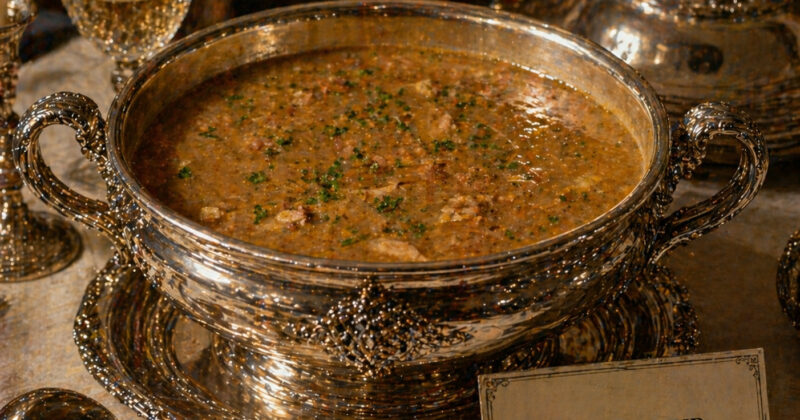
A formal dinner at the Theatre Royal.
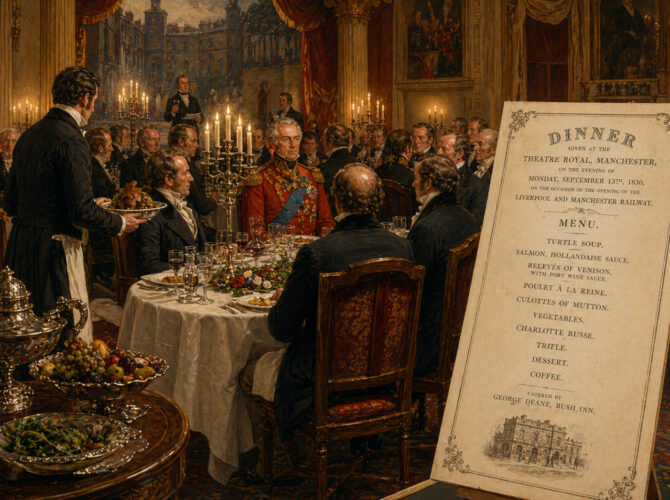
On the evening of 13th September 1830, Manchester marked the imminent opening of the Liverpool and Manchester Railway with a formal dinner at the Theatre Royal. The Duke of Wellington attended as guest of honour, joined by leading political, military and civic figures. The occasion was carefully arranged to reflect the importance of the moment and the confidence placed in this new form of transport.
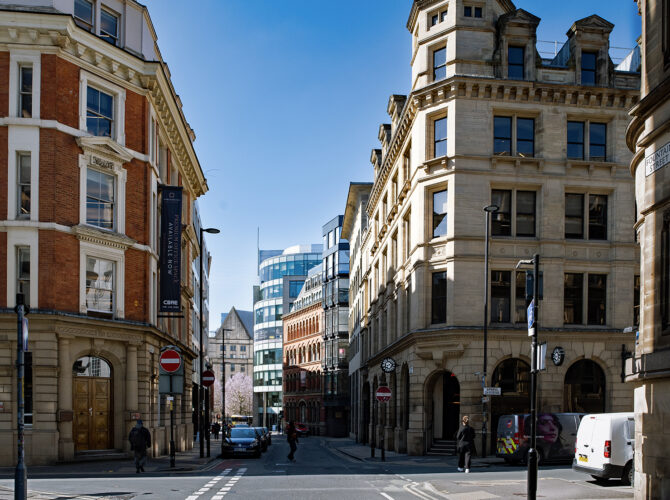
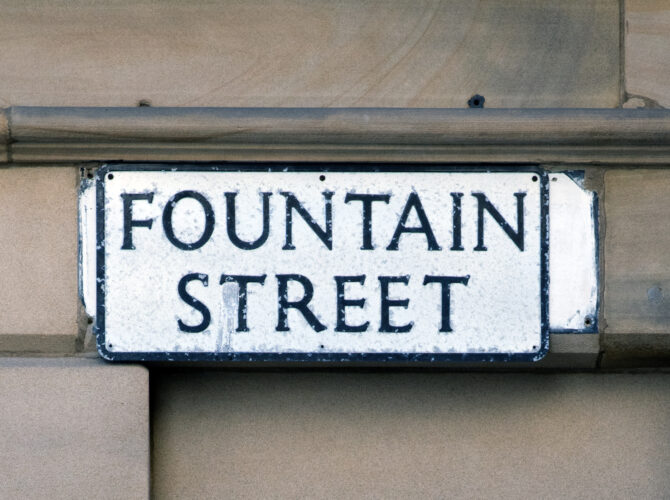
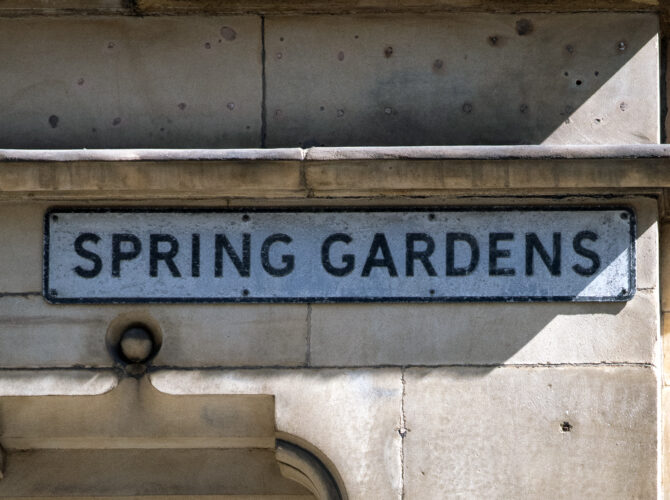
The Theatre Royal itself no longer stands. It once occupied a prominent position at the corner of Fountain Street and Spring Gardens, close to the heart of the city. At the time, it was one of Manchester’s principal venues for large public gatherings, making it a fitting setting for such an occasion.
The scale of preparation was considerable. Catering was organised by George Deane of the Bush Inn, who oversaw a large and carefully organised operation. Temporary kitchens were set up in nearby buildings, fitted with ovens and cooking ranges to handle the volume of food. Additional spaces were used for confectionery, and specialist staff were brought in from London and Dublin to support the effort.
Ingredients were sourced from across the region. Venison came from estates such as Trafford Park and Tatton Park, while the Duke of Devonshire contributed a large red deer. Even the preparation of turtle soup required advance planning, with several large turtles processed ahead of the event. The organisation behind the scenes reflected the same ambition and coordination that had characterised the building of the railway itself.
In the days leading up to the dinner, the Theatre Royal was opened to the public. Visitors were invited to view the preparations, and refreshments were made available. This turned what might have been a private event into a broader civic occasion, allowing Manchester’s residents to share in the anticipation.
Despite the scale of the arrangements, the dinner itself was relatively intimate. Around 47 guests were recorded as attending. Among them were figures such as Mr Brougham, Admiral Fleming and Mr Lawrence. The evening followed a formal structure, with speeches and toasts, including one to the improving health of William Huskisson, a prominent supporter of the railway.