A lost station at Seedley.
Seedley Station once stood along the Liverpool and Manchester Railway in Salford, serving a growing residential and industrial area to the west of Manchester. Opened in 1850, it was one of several stations added after the railway’s early years as development spread along the line.
The station was a modest local stop, with a compact building, pitched roof and chimneys, and a covered entrance where passengers would gather before catching their train. It was built for everyday use, serving nearby streets rather than long distance travellers.
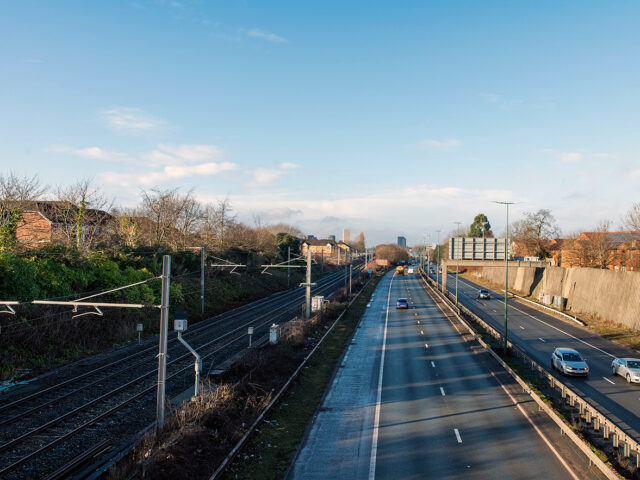
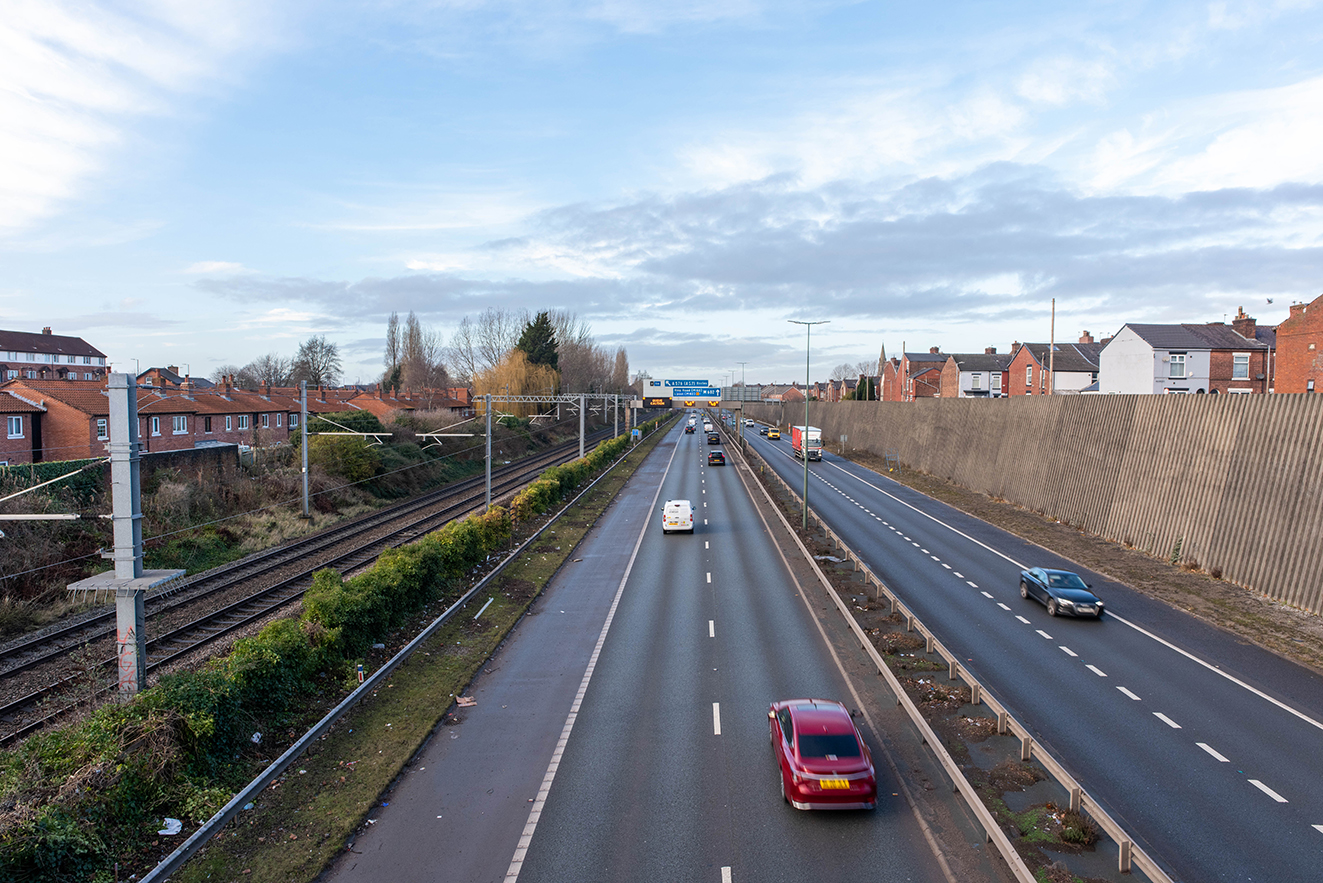
Nothing of the station survives today. The railway remains in use, but the buildings and platforms have disappeared, and the surrounding landscape has been heavily altered. What was once a stopping point for local passengers is now a stretch of railway running alongside the M602
Why it matters
Seedley Station reflects the second phase of the railway’s development, when the line shifted from an intercity route to one that also served local communities. As places like Seedley grew, stations were added to meet demand from workers and residents.
Its later closure shows how patterns of transport changed. As road networks improved and travel habits shifted, smaller stations like Seedley became less viable. The loss of the station marks a move away from dense local rail provision towards fewer, larger stops.
Interesting stories
Seedley was never a major station, but it served a busy and changing area. It stood close to housing and industry, offering a convenient link into Manchester and beyond.
By the late nineteenth century it was operated by the London and North Western Railway, one of the largest railway companies in the country. Like many smaller stations, it would have been a familiar part of daily life, with staff on hand and regular passengers passing through each day.
Over time, competition from trams and buses reduced its importance. It eventually closed in the twentieth century, quietly disappearing as travel habits changed.
What to look out for…
Look along the railway line running beside the road and note how straight and level it remains. The station would have been located along this stretch, but there are no obvious remains. The proximity of the road and railway hints at how transport corridors have been layered over time, with the modern road now dominating the space.
This content is adapted from:
http://www.disused-stations.org.uk/s/seedley/