A station lost to changing times.
Gorton’s Buildings Station, later known as Weaste Lane Station, once stood along the Liverpool and Manchester Railway in Salford. It served a busy and expanding district, close to terraced housing, industry and local roads. Opened in 1853, it was part of a wave of new stations added as the railway adapted to the needs of a growing urban population.
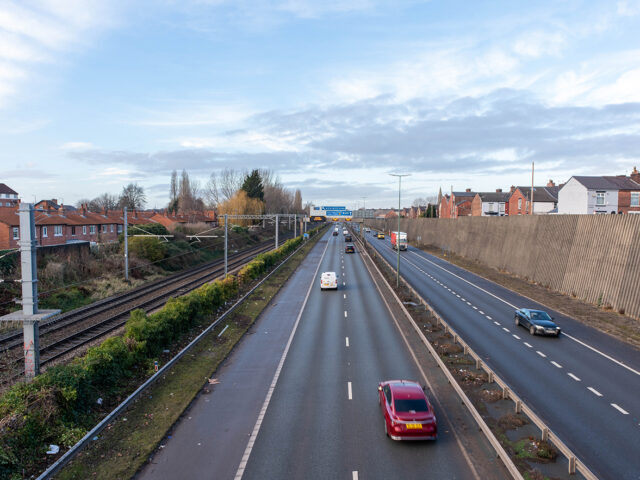
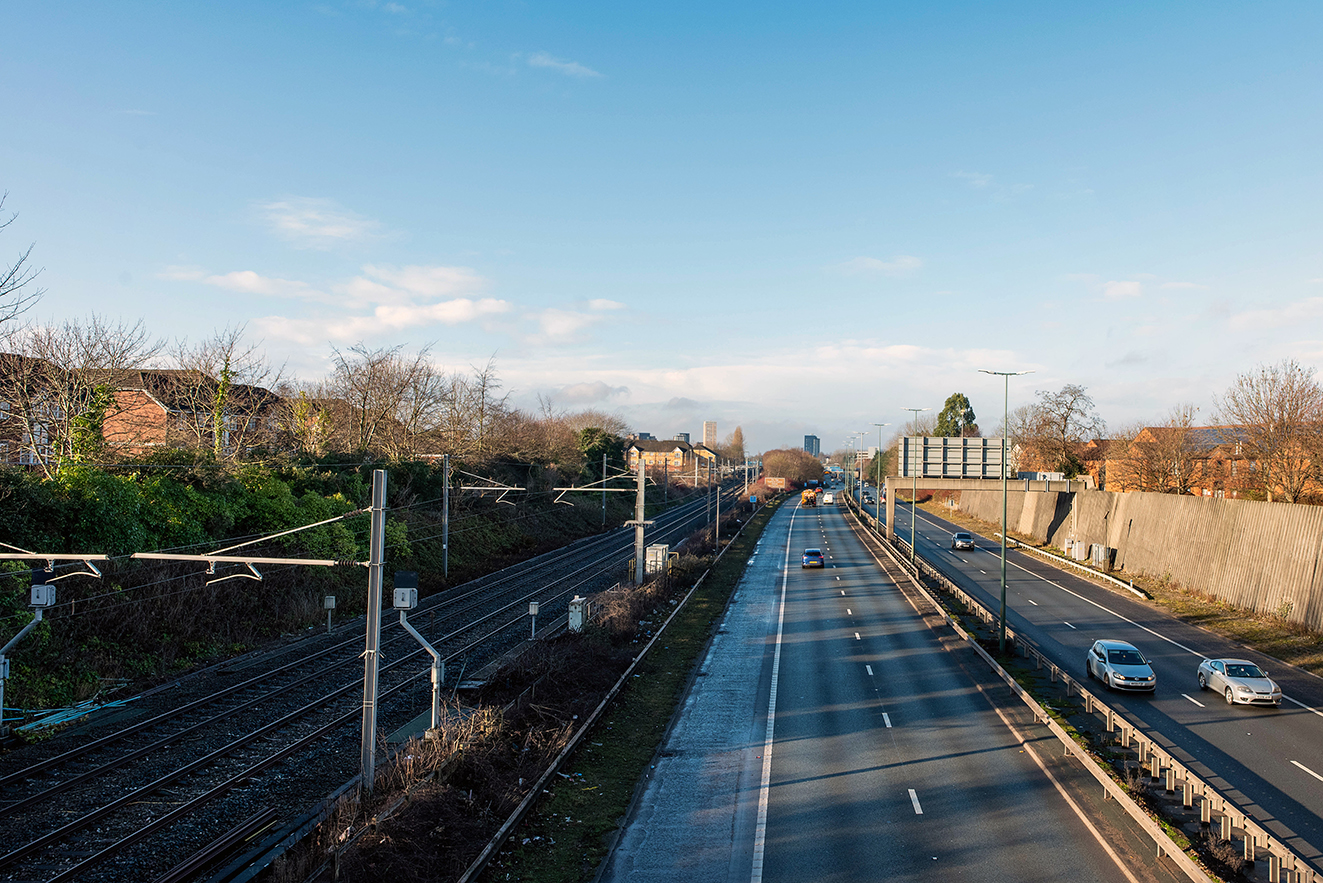
The station was positioned near Weaste Lane and took its earlier name from nearby housing known as Gorton’s Buildings. Nothing remains today. The railway still runs through the cutting, now alongside a major dual carriageway, but the station itself has disappeared completely.
Why it matters
This station shows how the railway evolved beyond its original purpose. What began as a route between cities quickly became a local transport network, with new stops added to serve working communities.
Gorton’s Buildings Station reflects the growth of Salford during the nineteenth century, when housing and industry spread along the railway. Its later closure mirrors wider changes, as road transport and changing travel patterns reduced the need for smaller local stations.
Interesting stories
The station’s changing name tells its own story. Originally known as Gorton’s Buildings, it took its name from nearby housing, suggesting a close link with the local community it served. Later, it became known as Weaste Lane Station, aligning it more clearly with the surrounding road network.
Like many smaller stations, it had fairly simple facilities and was built for practical use rather than grandeur. It would have been a familiar part of daily life, with workers using it to travel into Manchester and beyond.
Over time, competition from trams and buses reduced passenger numbers. The station eventually closed in the twentieth century and was later demolished, leaving no visible trace on the ground.
What to look out for…
From nearby bridges, look down into the railway cutting and notice how the line sits lower than the surrounding roads. The station would have been located along this stretch, with access from above. The modern dual carriageway running alongside the railway gives a clear sense of how transport routes have shifted, with road traffic now dominating the space once served by local trains.
This content is adapted from:
http://www.disused-stations.org.uk/w/weaste/index.shtml