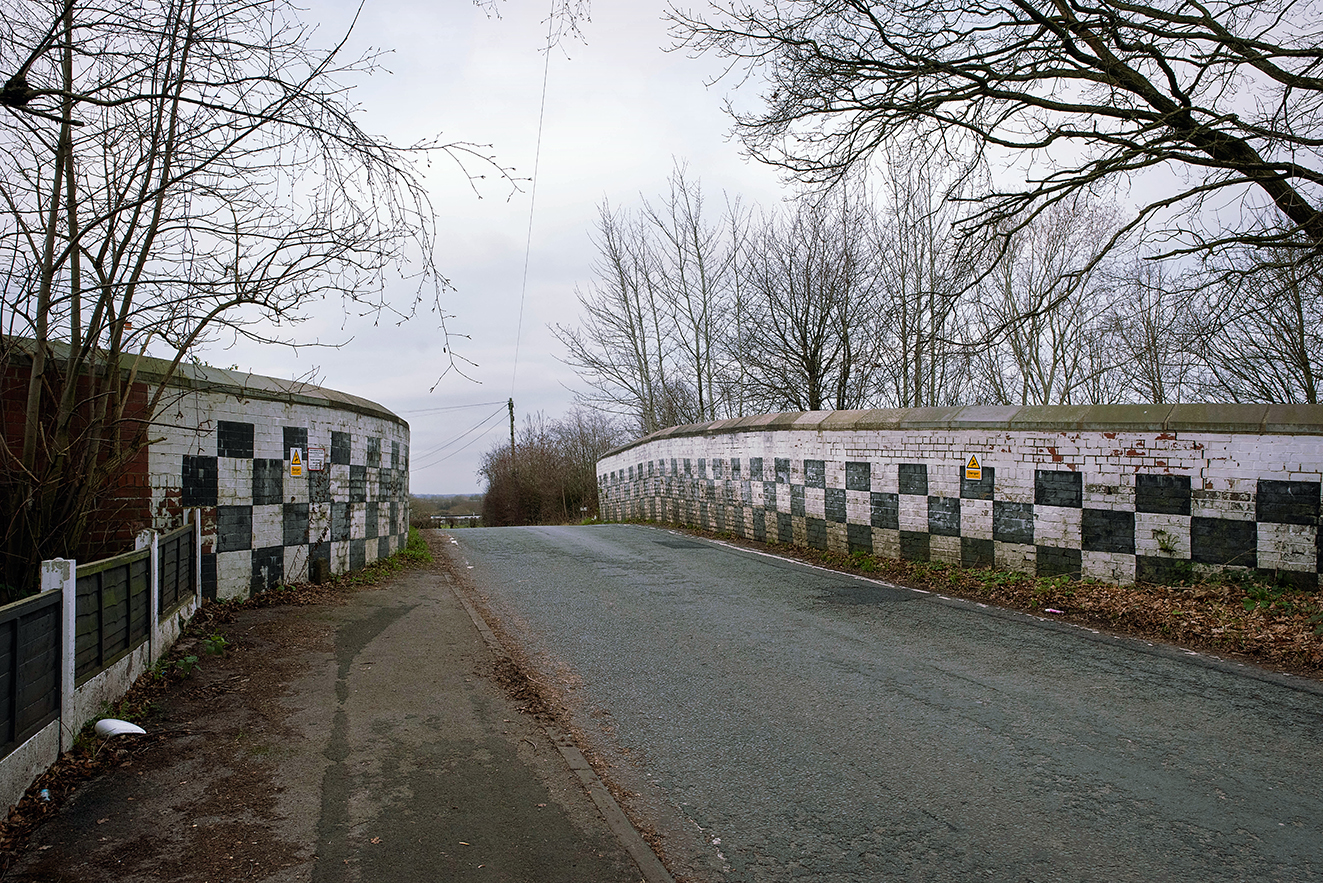
The chequered crossing
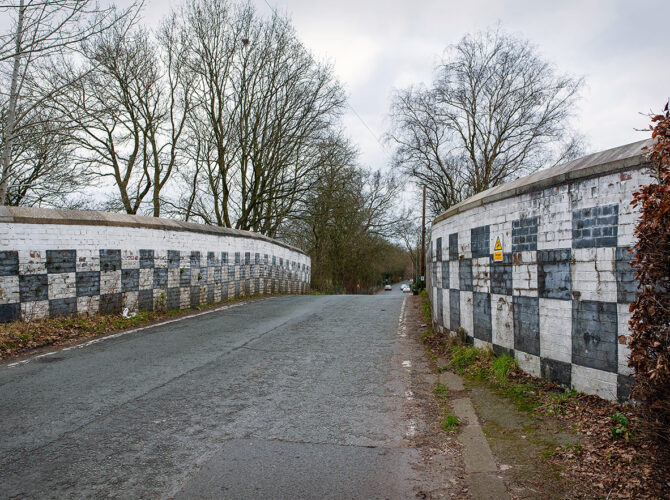
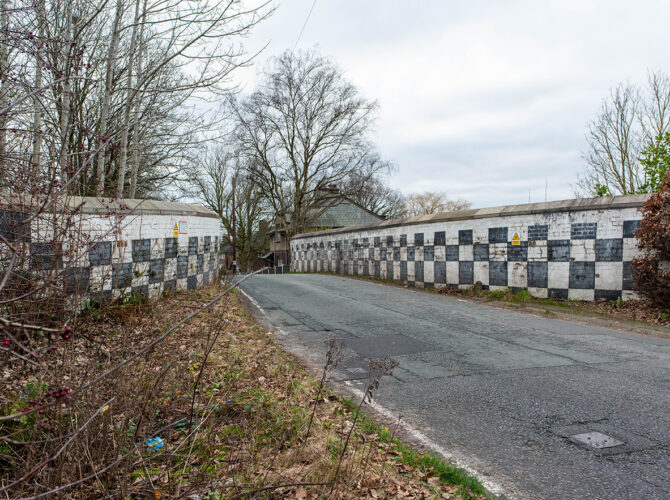
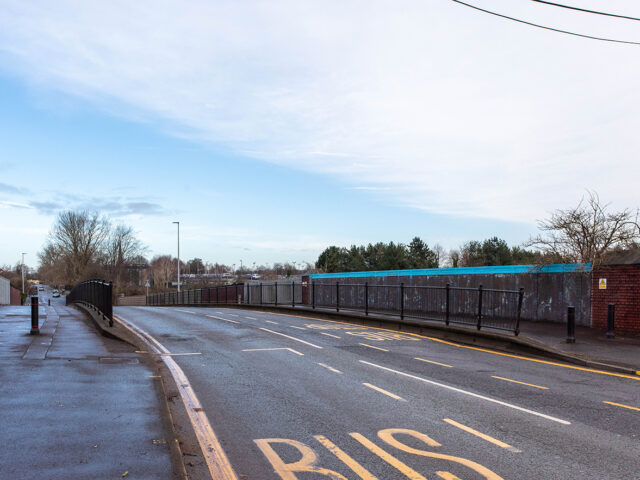
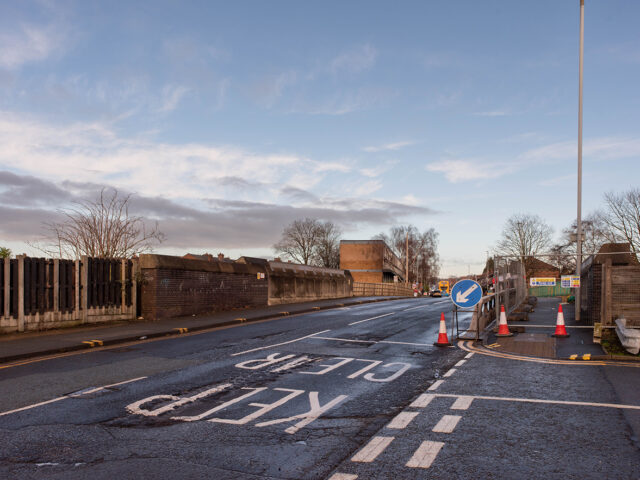
Broseley Bridge carries Broseley Lane over the railway line near Culcheth. At first glance, it looks like a simple road bridge, but its bold checkerboard paintwork and sweeping brick parapets give it a distinctive presence. This is a functional piece of early railway engineering, still doing the job it was built for nearly 200 years ago.
Why it matters
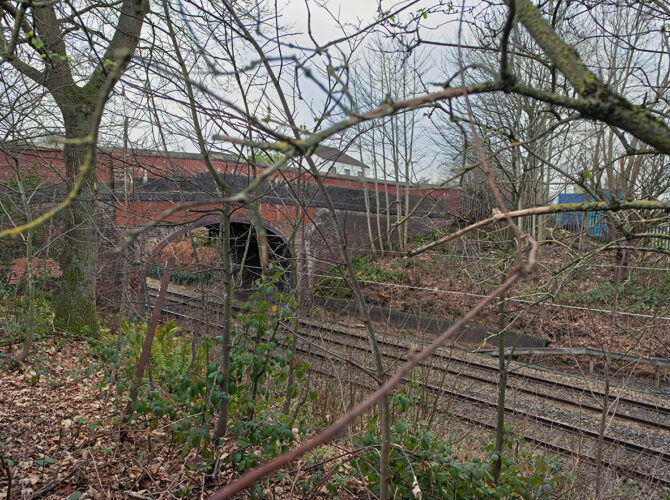
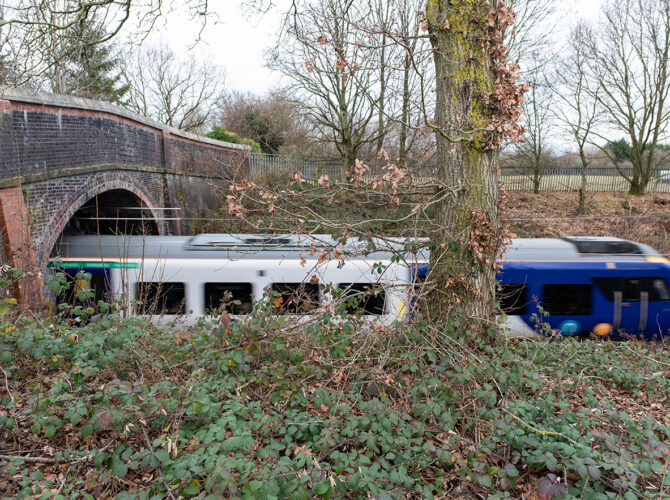
This bridge is a classic example of what engineers called an “occupation bridge”, built to preserve existing roads, tracks or land access when the railway cut through below. As the line pushed through the countryside, bridges like this were added to keep people, carts and livestock moving freely across the tracks.
Broseley Bridge may not have the drama of a viaduct or tunnel, but it tells an important story about how the railway wove itself into the landscape without severing the lives around it. The line needed to stay level, which meant cutting deep. Bridges like this reconnected what the engineers had divided.