Salford

Stothard’s Occupation Bridge

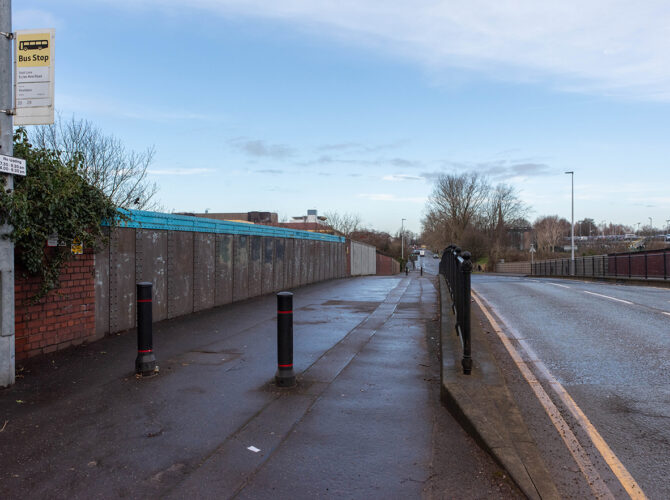
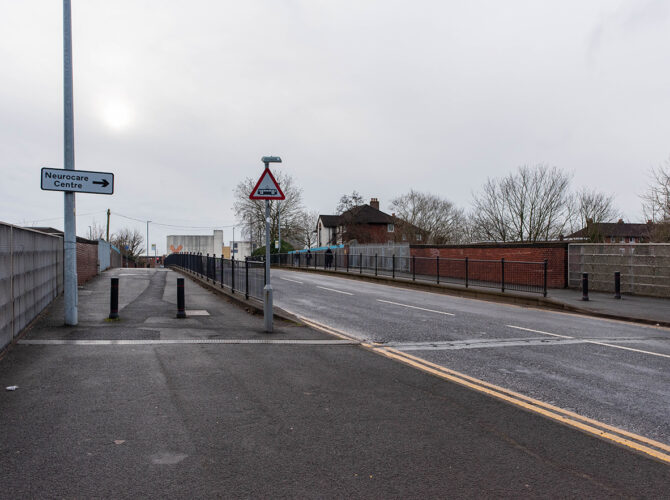
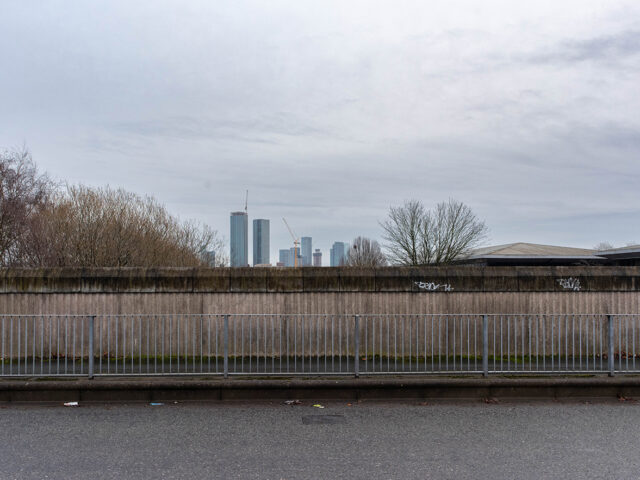
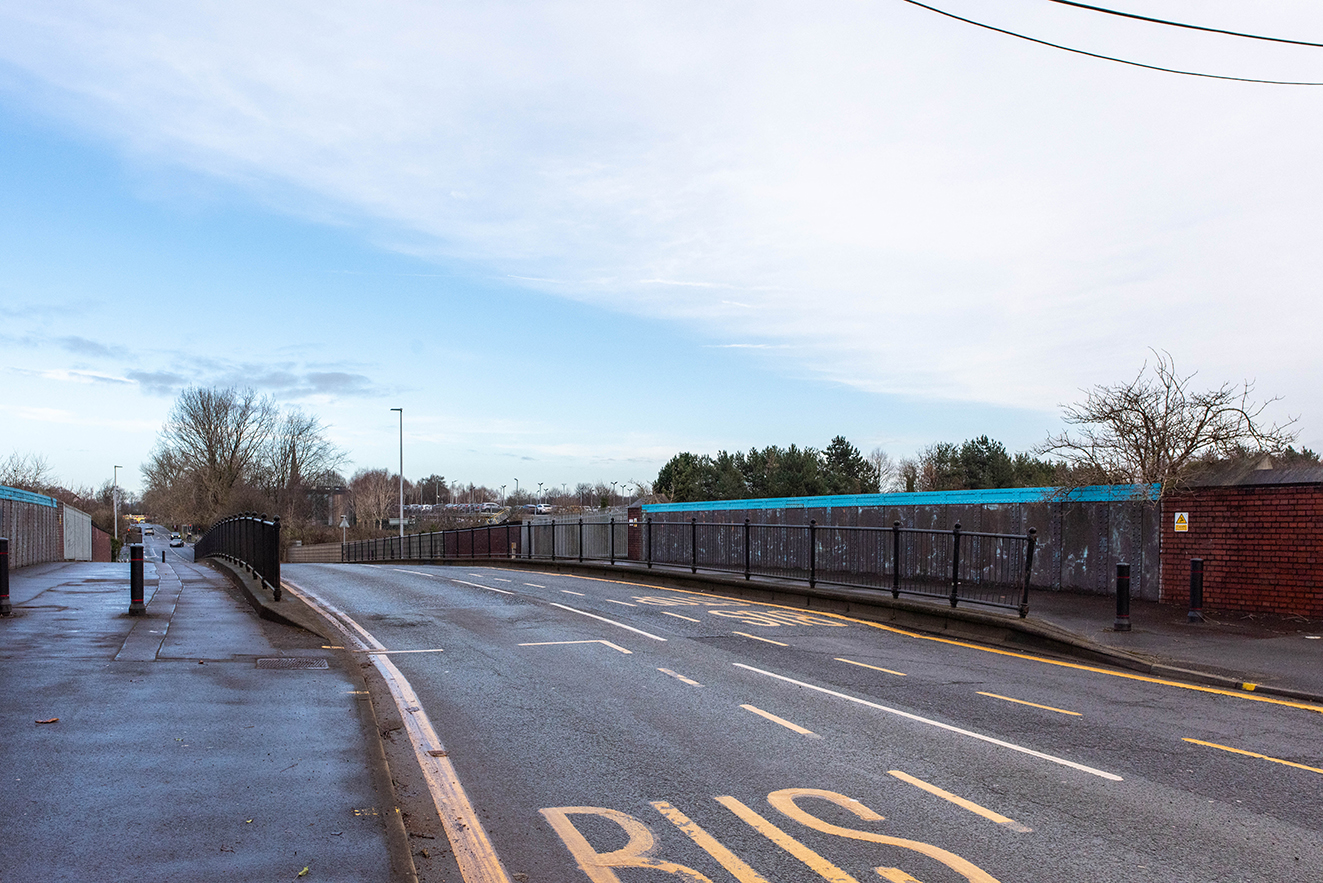
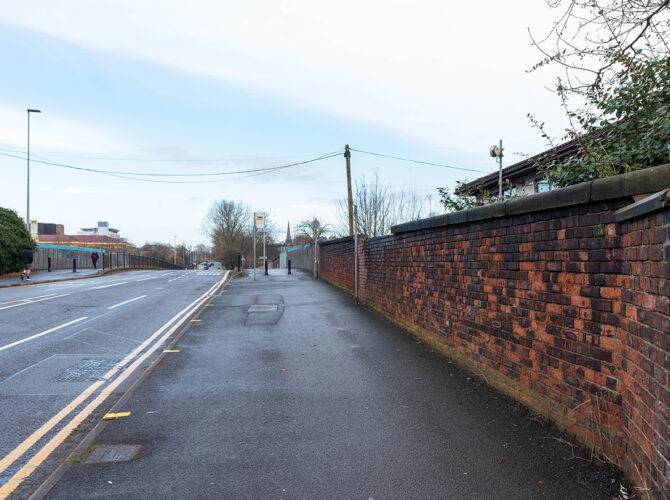
Perspective view along the bridge showing its curve and the landscape beyond.
© Manchester Histories

From farm track to city crossing.

Stothard’s Occupation Bridge once carried a simple local route over the Liverpool and Manchester Railway near what is now Eccles New Road. Built as one of many “occupation bridges”, it allowed landowners and residents to cross the line safely when it first opened in 1830.

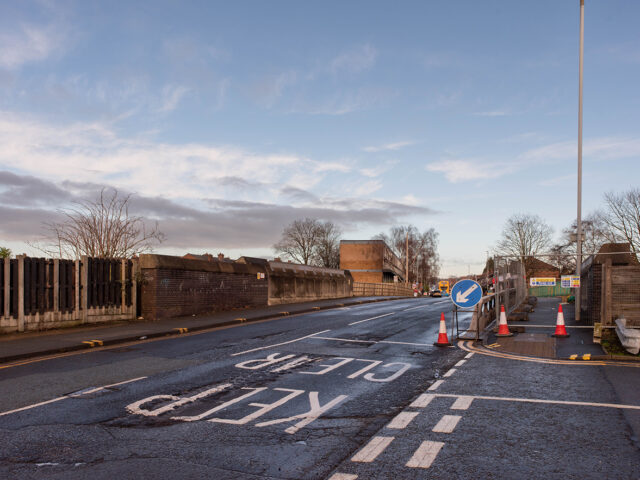
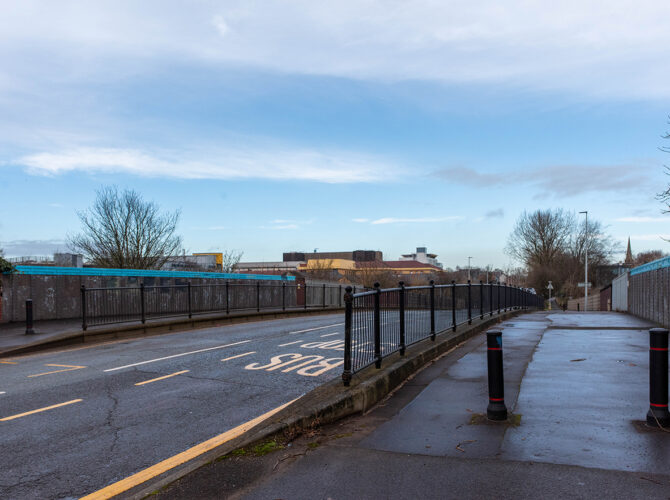
Today, the bridge you see is a later replacement. The original structure has gone, but the crossing remains in use, widened and adapted for modern traffic. What was once a rural link is now part of a busy urban road, with buses, cars and pedestrians passing over a line that still hums with trains.

Why it matters

Occupation bridges like Stothard’s were essential to the success of the early railway. The new line cut straight across fields, lanes and property boundaries, and without crossings like this, daily life would have been disrupted.

These bridges represent a quiet agreement between progress and practicality. The railway could forge ahead, but farmers still needed to reach their land, and communities needed to stay connected. Around half of the original bridges on the line were built for this purpose.

Although Stothard’s Bridge has been rebuilt, its continued use shows how these crossing points have endured, even as the landscape around them has changed beyond recognition.
Interesting stories

The name “Stothard’s” likely comes from a local landowner or tenant whose land was divided by the railway. Many early bridges took their names this way, tying them directly to the people who lived and worked nearby.

In the 1830s, this would have been a much quieter place. Instead of traffic and bus stops, you might have seen carts, livestock and the occasional curious onlooker pausing to watch the new steam trains thunder beneath.

Over time, as Salford expanded and industry grew, small crossings like this were widened, strengthened or completely rebuilt to cope with heavier loads and faster traffic. The current bridge reflects that long process of change.

What to look out for…

The original bridge has gone and been replaced by the modern road crossing you see today.

What remains is the location. The road still crosses the railway at this point, continuing a route that has existed since the early days of the line.

Apart from the alignment, there are no visible features of the original structure, but the crossing itself has endured.

This content is adapted from:
https://historicengland.org.uk/listing/the-list/

Explore related content