St Helens

Earlestown Station (Viaduct Station)

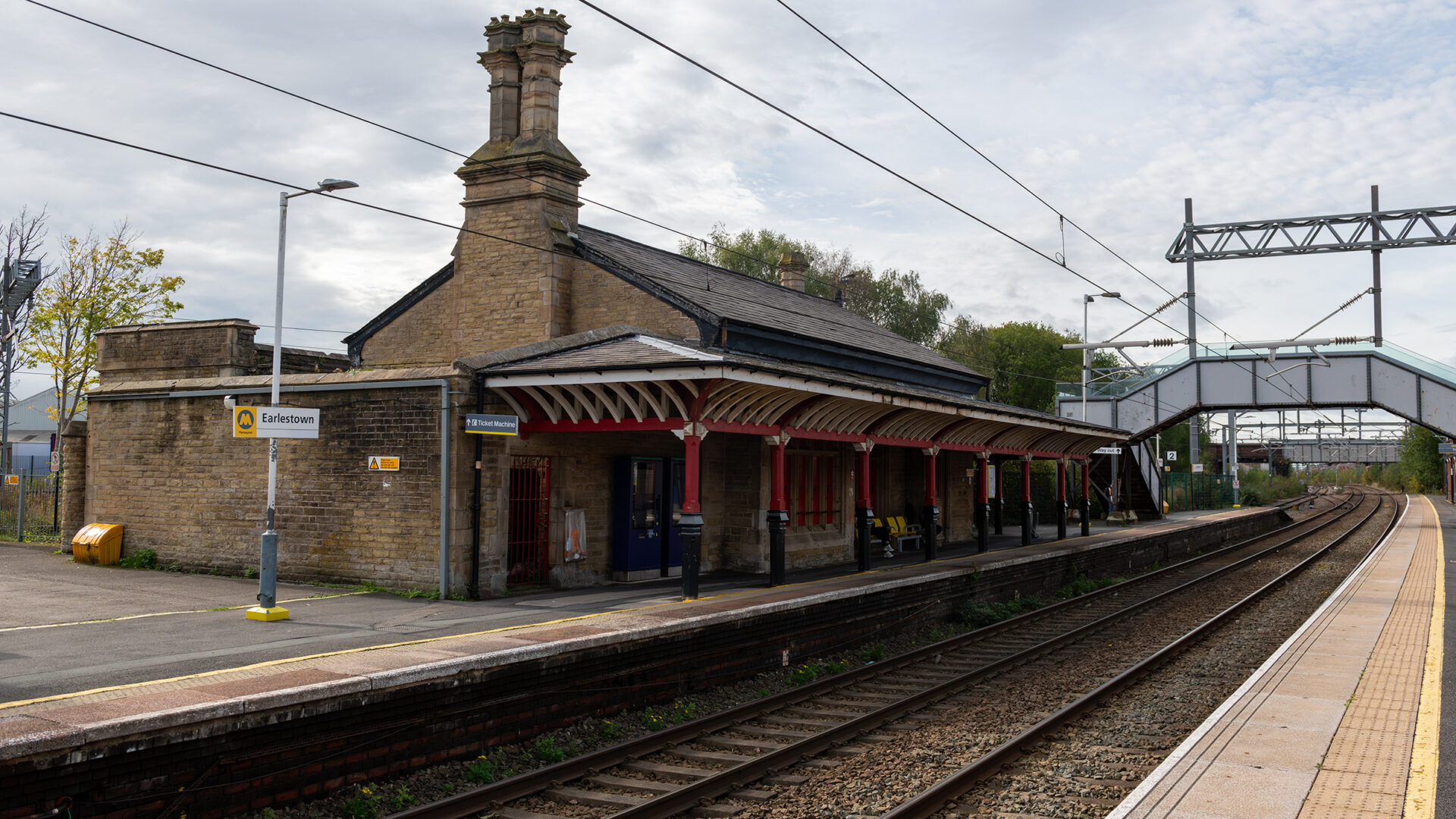
A wider view of Earlestown Station showing the historic station building, platform canopy, railway tracks and footbridge in the distance.

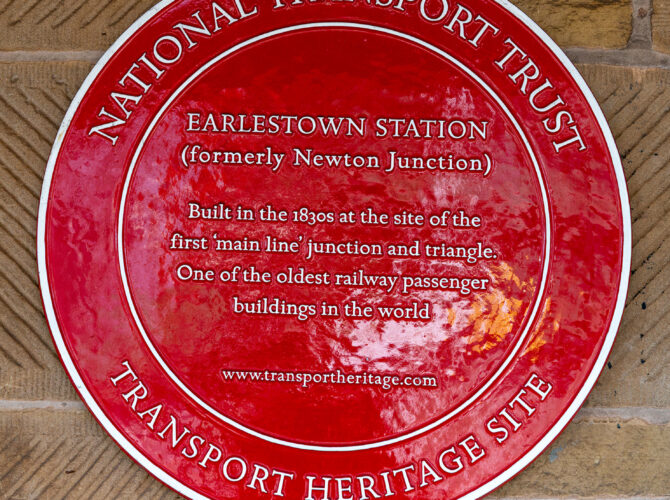
One of the world’s oldest railway stations.

One of the oldest functioning railway stations in the world. Originally opened in 1830, the current building dates from around 1840. It stands at the junction where the Liverpool and Manchester Railway met the Warrington and Newton line.

Why it matters

Earlestown sits at the junction where two pioneering railways met: the Liverpool to Manchester line and the Warrington to Newton route. That early connection created the world’s first main line railway junction and laid the groundwork for Britain’s growing rail network.

The station’s distinctive triangular layout is a rare survivor, one of only two still in use across the country. It’s a physical reminder of the bold engineering choices made in the earliest days of railway design.

At the heart of it all stands the Grade II listed station building, one of the oldest still serving passengers. Its continued use offers a direct link to the past where early Victorian travellers once stood beneath the same roof.

And Earlestown wasn’t just a junction on the map. With its neighbouring wagon works, it became a working hub, a place where people built, repaired and dispatched the rolling stock that kept the railway moving.
Interesting stories.

In the decades after the station opened, the area around it grew into a centre of heavy industry. Just to the south stood the Viaduct Foundry, leased by the London and North Western Railway in the 1850s and later expanded into the Earlestown Wagon Works. At its height, it was producing thousands of goods wagons each year, a vital link in the country’s freight network.

As the works grew, so did the community. Rows of housing and new streets sprang up to support the workforce. By the mid-19th century, the area had taken on a new name: Earlestown, in honour of railway director Hardman Earle. The station and the works didn’t just transform transport, they helped give the place its name and identity.

What to look out for…

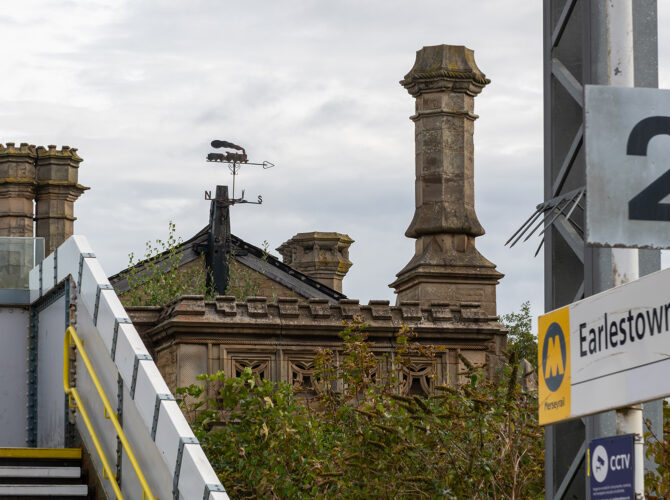
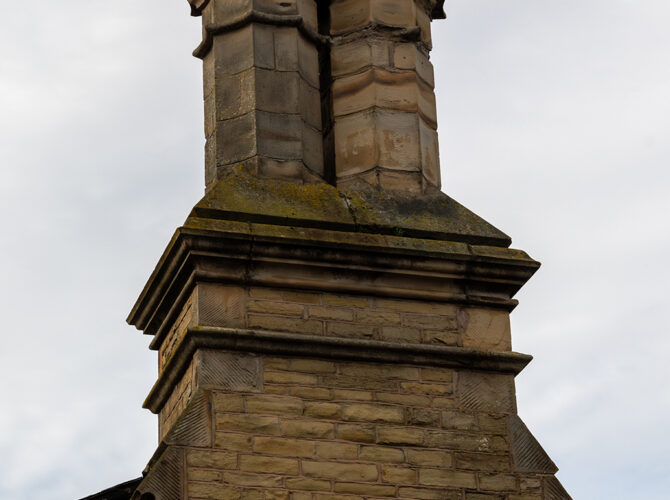
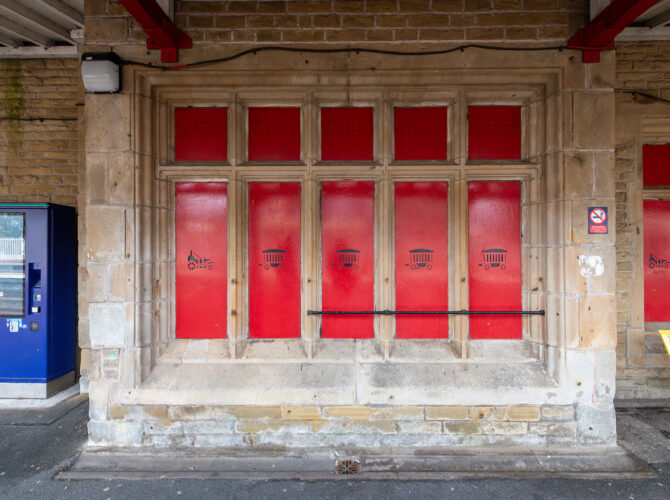
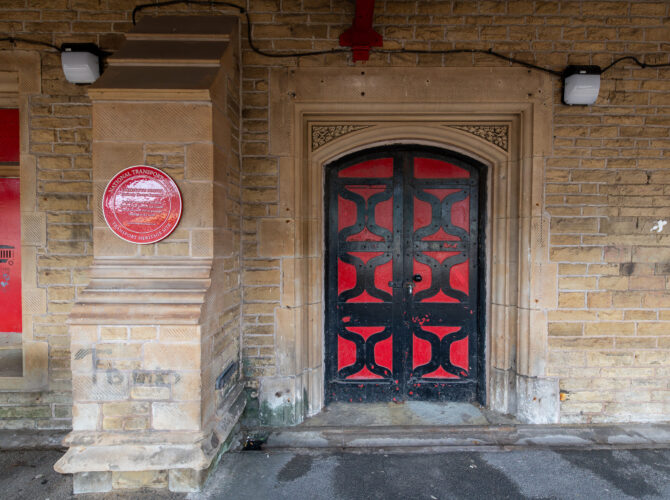
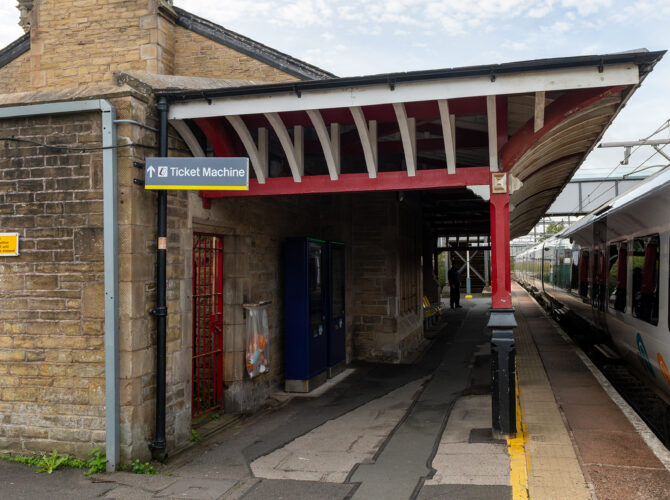
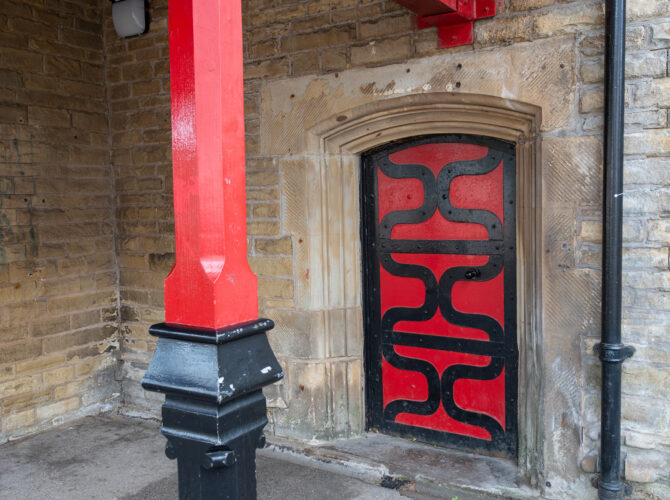
The stone building on Platform 2 is thought to be one of the oldest surviving railway station buildings still in use. Look closely and you’ll see its Gothic flourishes: mullioned windows, a projecting bay front, battlements along the roofline and chimneys with distinctive octagonal flues. Decorative tracery adds an unexpected elegance,  more castle than commuter stop.

This content is adapted from:
https://en.wikipedia.org/wiki/Earlestown_railway_station
https://historicengland.org.uk/listing/the-list/

Explore related content

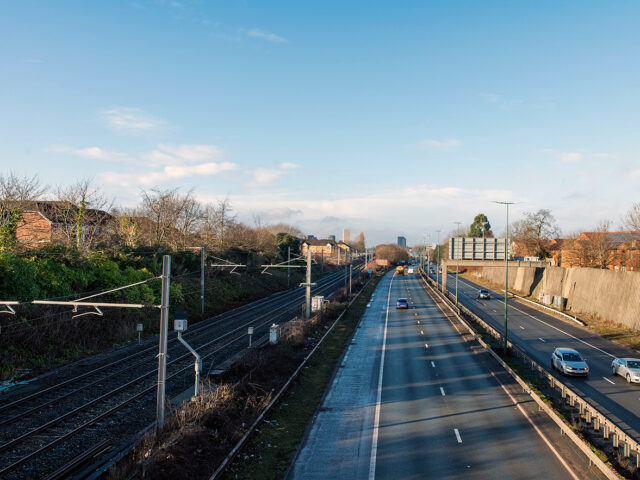
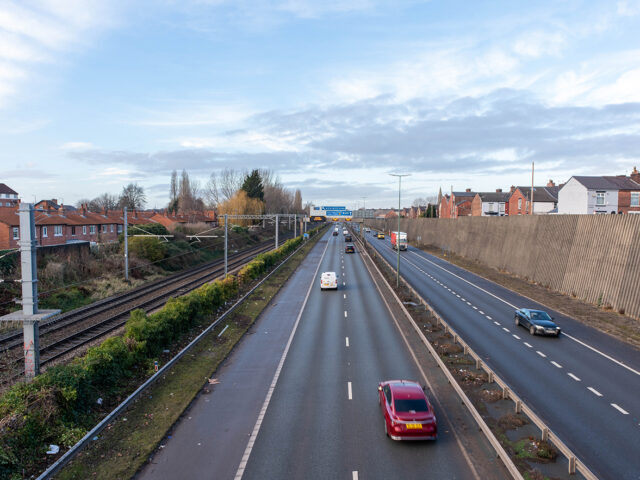
View from Gore Booth Bridge showing a railway line running parallel to a busy dual carriageway, with houses on one side and a high retaining wall on the other, marking the area where Seedley Station once stood
Salford

Seedley Station

A lost station at Seedley. Seedley Station once stood along the Liverpool and Manchester Railway in...