Salford

Eccles Station & Eccles Bridge

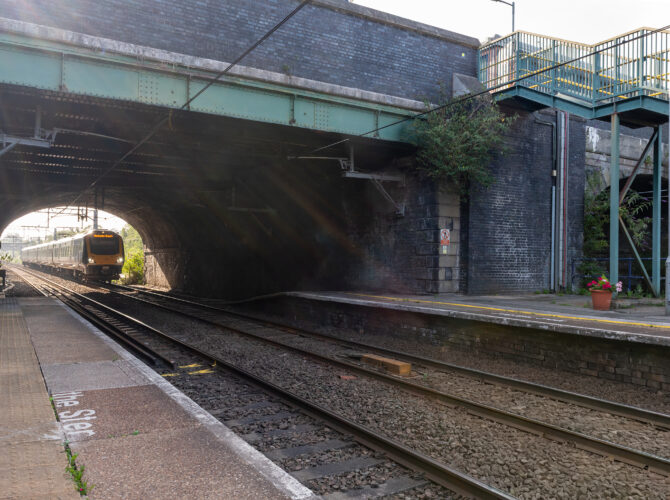
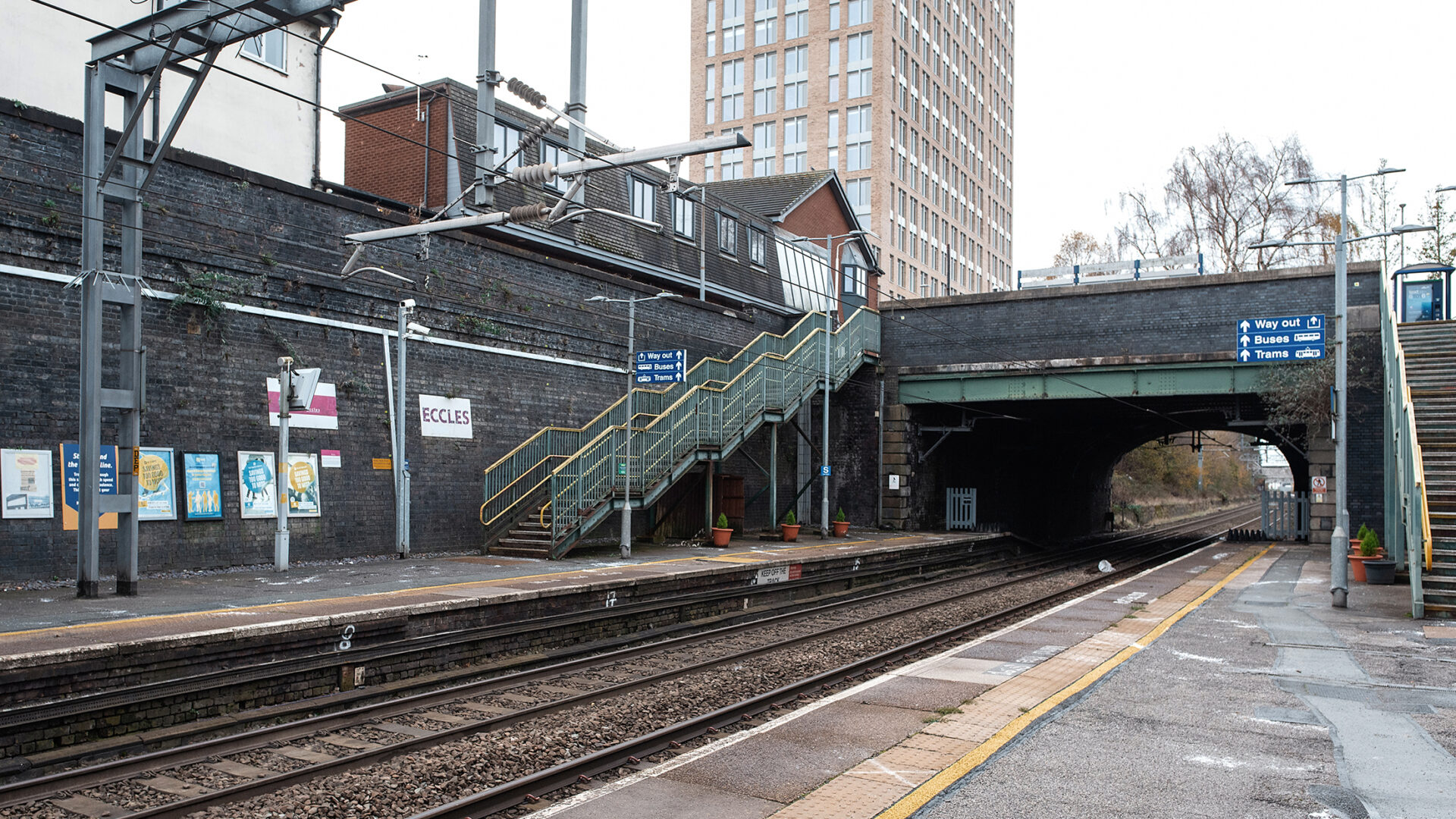
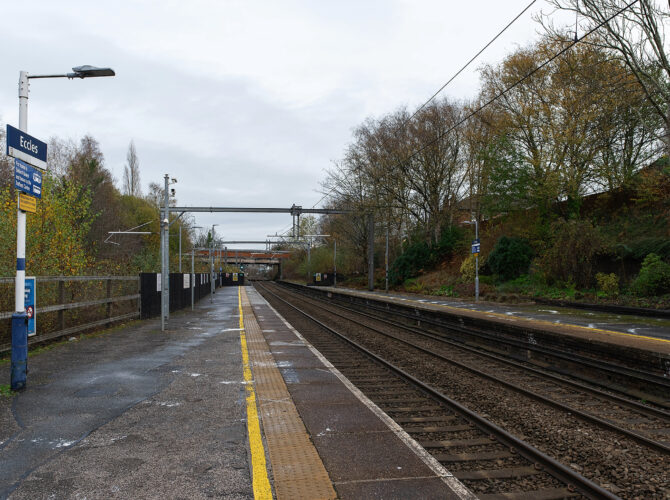
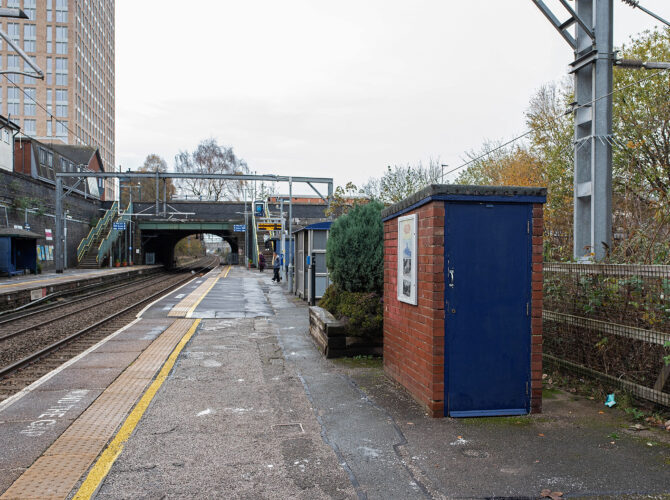
Platforms at Eccles station with the metal footbridge and brick railway bridge spanning the tracks, with station signage and surrounding buildings visible.
© Manchester Histories

Serving Eccles for nearly two centuries.

Eccles Station has served the town of Eccles since the early days of rail travel. The original, and by all accounts,  impressive main station building was destroyed by arson in 1972  and shortly afterwards the remaining platform buildings were demolished. However, the two remaining platforms at the station are still serviced by trains every day. 

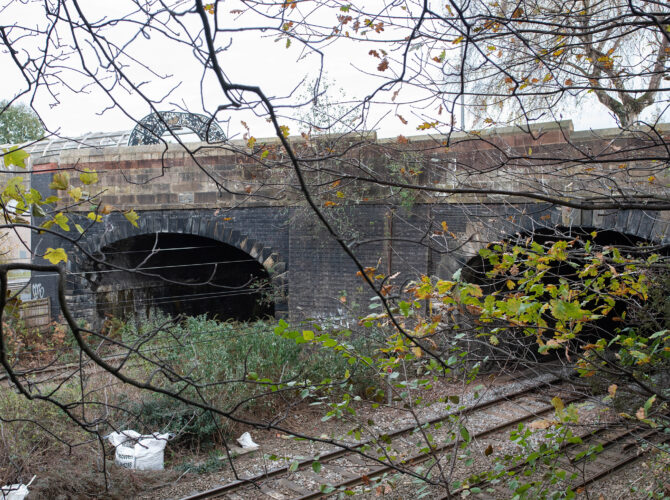
There is a small ticket office just near the top of Church Street and the platforms are accessed by a footbridge. Beside the station stands a brick-built road bridge over the tracks, which once carried a road and tram tracks. The arch furthest from the station is believed to date from the line’s original construction in 1830. It’s one of the few structural clues to Eccles’ railway past still visible today.

Though much has changed, it remains a working stop on a line that helped shape the modern world.

Why it matters

Eccles shows how a station can evolve with its town. Though its original buildings are long gone, it remains in daily use,  a quiet constant through nearly two centuries of change.

Its story is one of adaptation: rebuilt, reconfigured and repurposed, yet never forgotten. Eccles matters not because it’s grand, but because it’s still here doing what it was built to do.
Interesting stories.

On the opening day of the Liverpool and Manchester Railway in September 1830, a former cabinet minister and MP, William Huskisson, stepped from his carriage during a water stop and was struck by an oncoming locomotive. Horribly injured, he was taken by train to Eccles and carried from the station to the local vicarage, where he died later that evening. The accident helped make the dangers of early rail travel very real, and established Huskisson as the first widely-reported fatality of a railway passenger.

Another tragedy was on a bitterly cold and foggy morning in December 1941. Just east of Eccles station two trains collided due to a deadly mix of blackout, poor visibility and a signalling error

Twenty-three lives were lost and dozens more injured. With blackout in place and fog all around, rescuers lit fires from the wrecked coaches to guide their search in the dark. It was a grim and heroic effort, etched into the memory of the town.

The disaster left a deep mark. The story of that day is still told locally and a memorial plaque recording this event has been installed on the wall of Platform 2 by the Friends of Eccles Station

What to look out for…

Halfway along platform two stands a small red-brick building with a blue door. Unassuming and easily overlooked, it was once a simple toilet block and it has quietly stood there for nearly 200 years. The original station buildings at Eccles were demolished in 1971 and now this is the only structure left to tell it’s story, a quiet reminder of Eccles’ place in railway history.

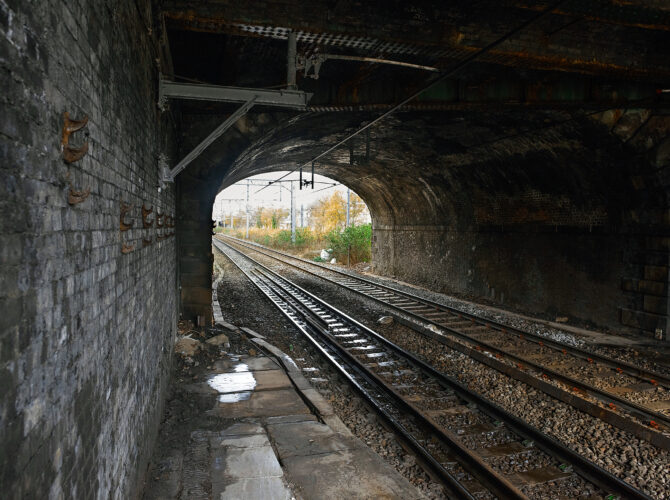
The bridge over the tracks is the other surviving feature from 1830. The bridge was widened later, but the arched section furthest from the station is original. Its handmade brickwork and gentle curve are classic features of early railway engineering.

From the platform, take a moment to study the old arch. You’ll see soot-blackened bricks and worn masonry, subtle traces of the steam age that helped change the world.

This content is adapted from:
https://en.wikipedia.org/wiki/Eccles_railway_station

Explore related content

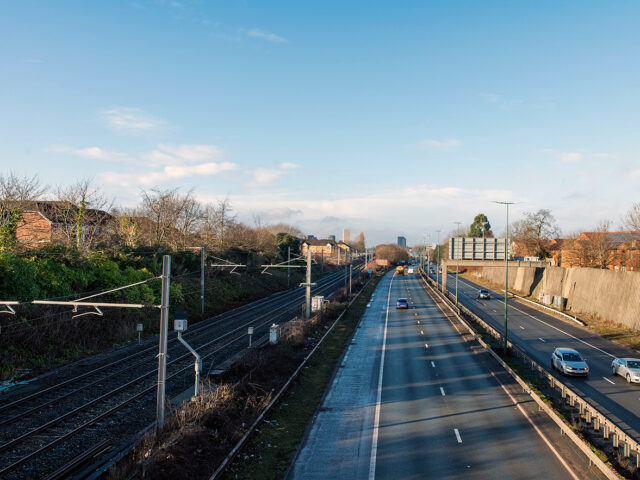
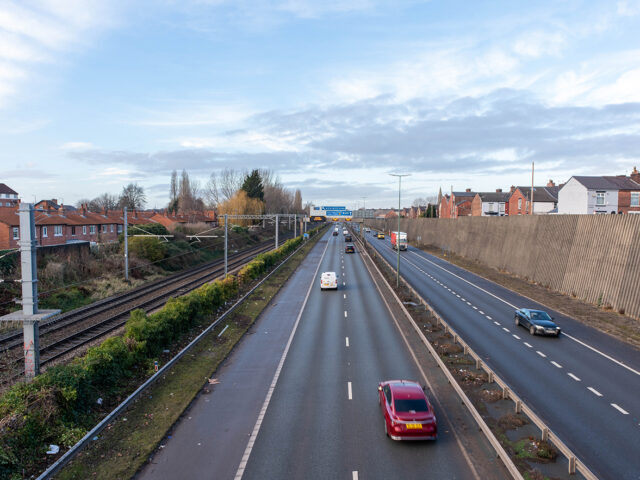
View from Gore Booth Bridge showing a railway line running parallel to a busy dual carriageway, with houses on one side and a high retaining wall on the other, marking the area where Seedley Station once stood
Salford

Seedley Station

A lost station at Seedley. Seedley Station once stood along the Liverpool and Manchester Railway in...