Liverpool

Edge Hill Engine Station & Associated Structures

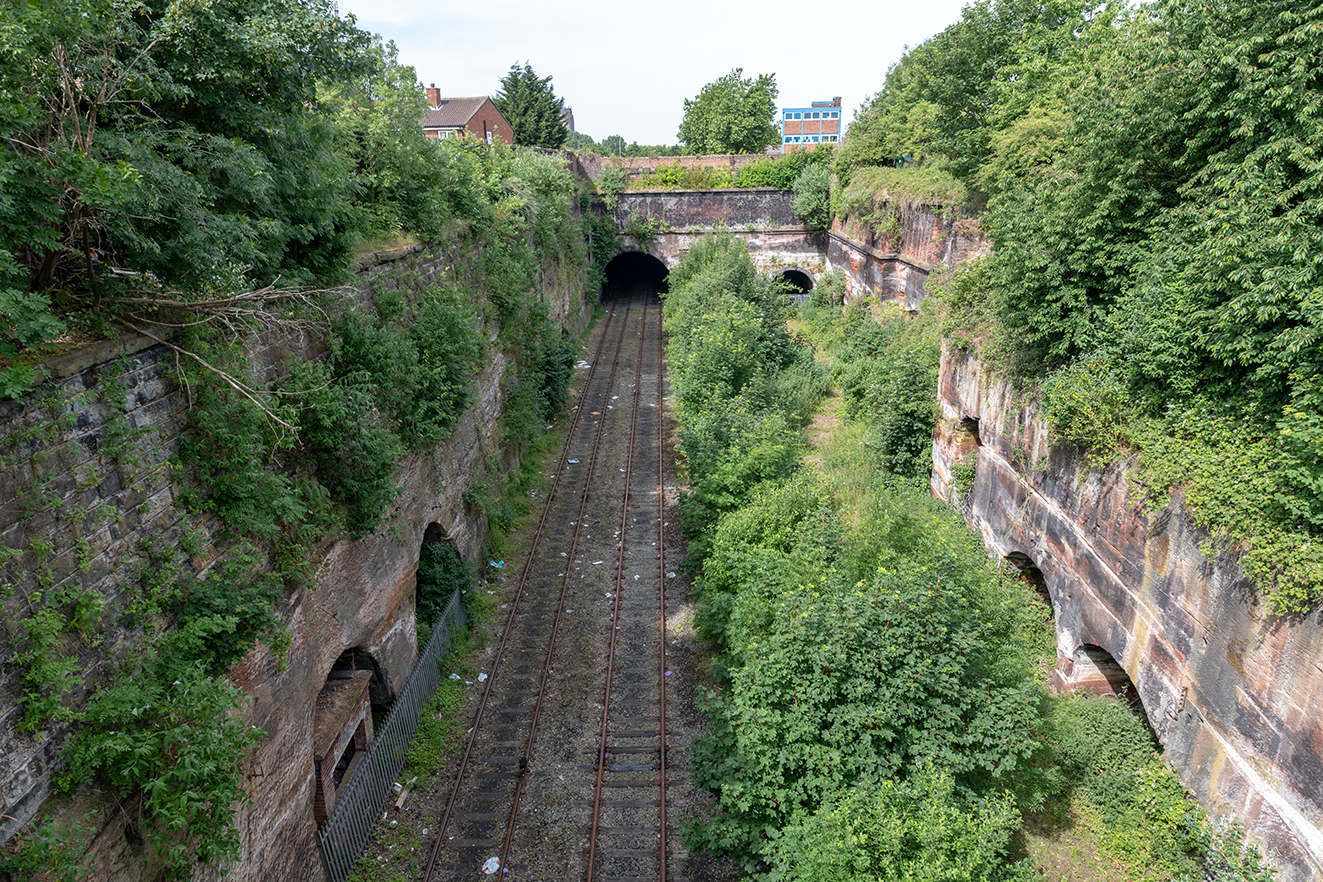
Twin tracks run through a deep, tree-lined cutting, disappearing into a tunnel framed by historic stonework.
© Chris Iles

Where steam took over from rope haulage.

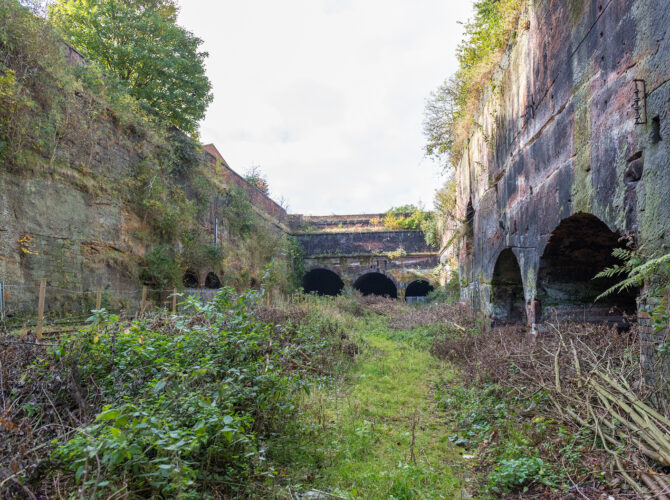
Edge Hill Engine Station is a dramatic sandstone railway cutting just east of Liverpool city centre. Hidden below street level, it once formed the working heart of the railway approaches to the city.

When the Liverpool and Manchester Railway opened in 1830, locomotives were not allowed into the city centre. Instead, trains arrived here at Edge Hill and were transferred between different systems of movement. Trains heading towards Manchester were coupled to steam locomotives. Those travelling into Liverpool were hauled by rope through tunnels using powerful stationary engines.

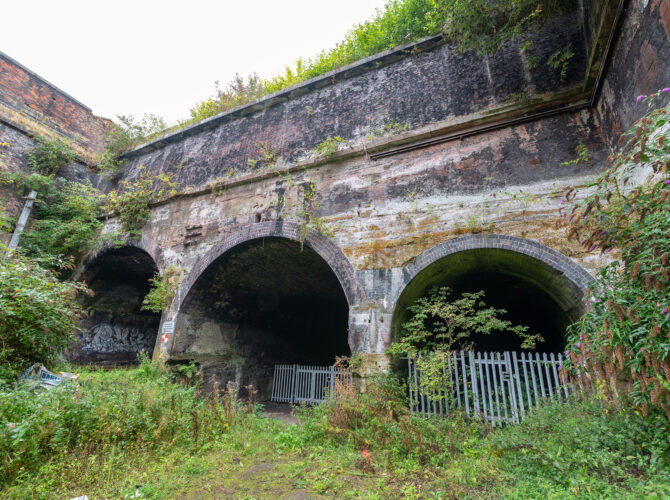
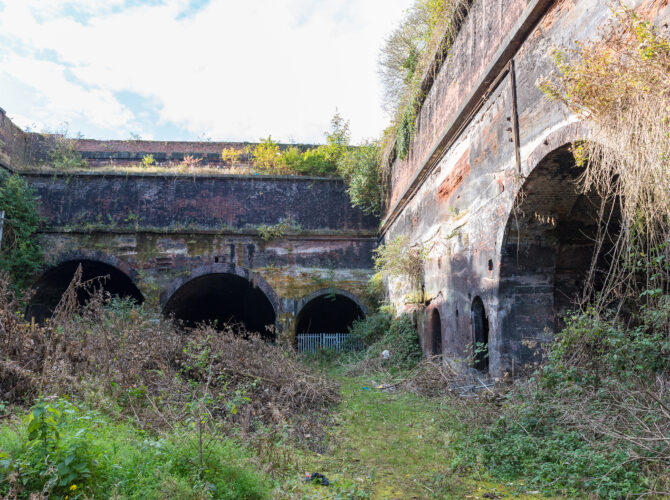
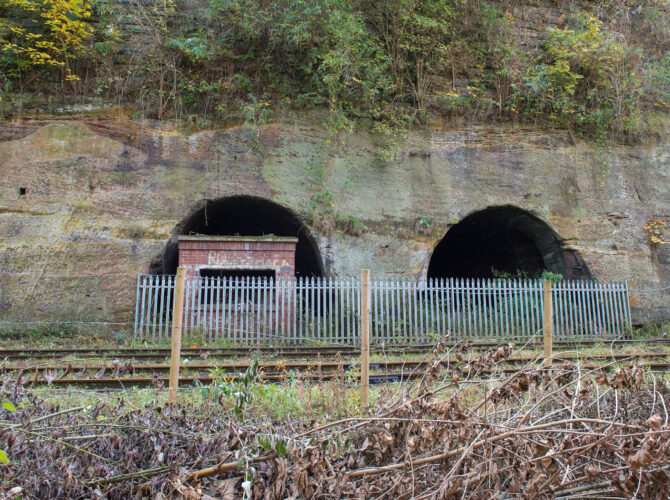
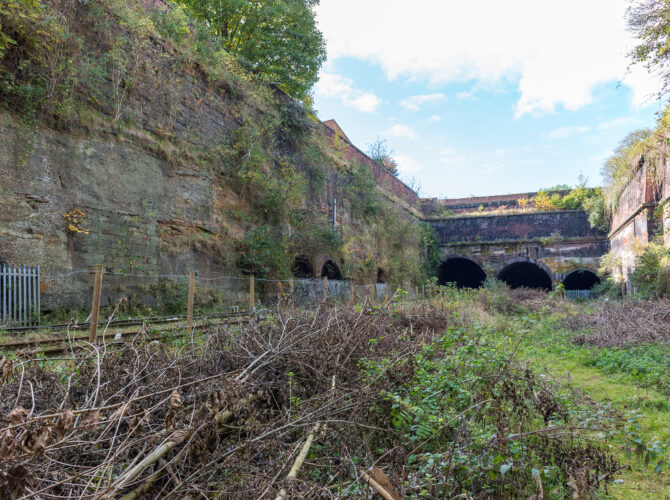
The cutting itself is around 12 metres deep and nearly 20 metres wide. At its western end sit three tunnel portals. One once led to Crown Street Station, the railway’s first Liverpool terminus. Another is the entrance to the Wapping Tunnel, which descends steeply towards the docks.

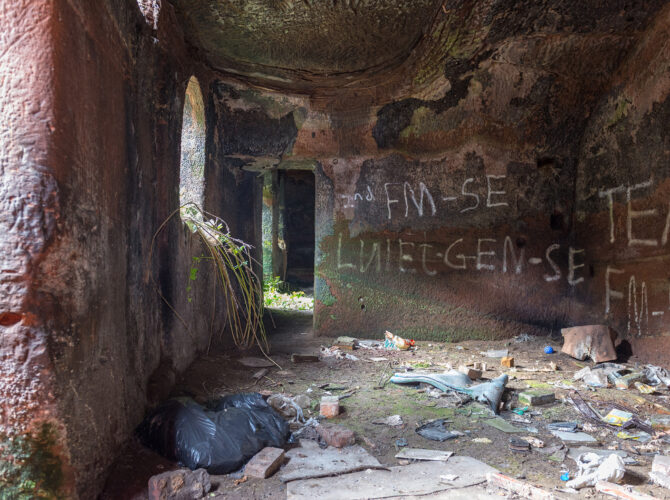
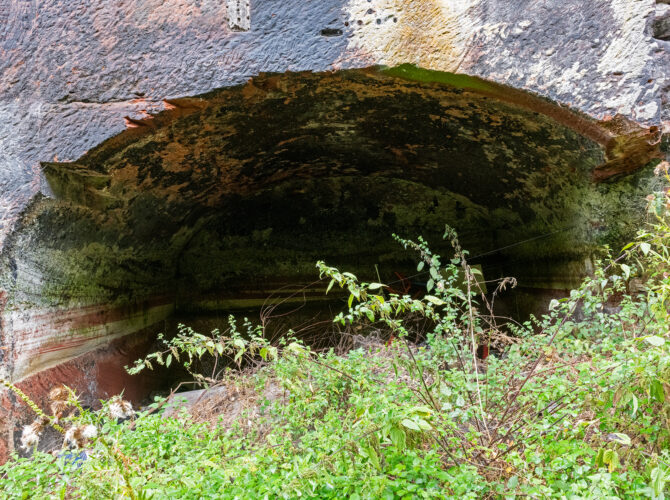
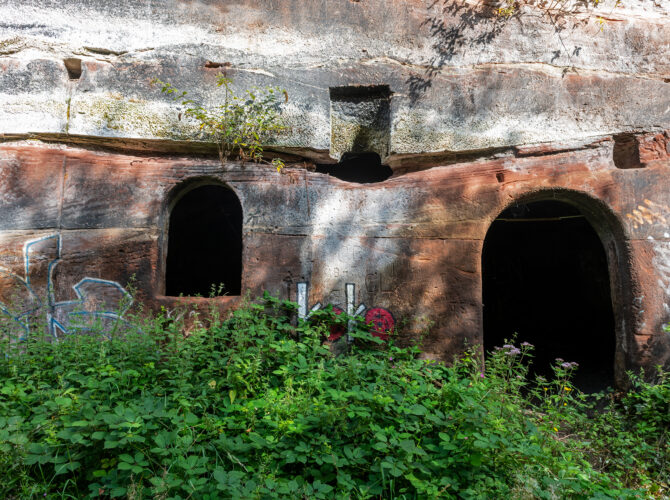
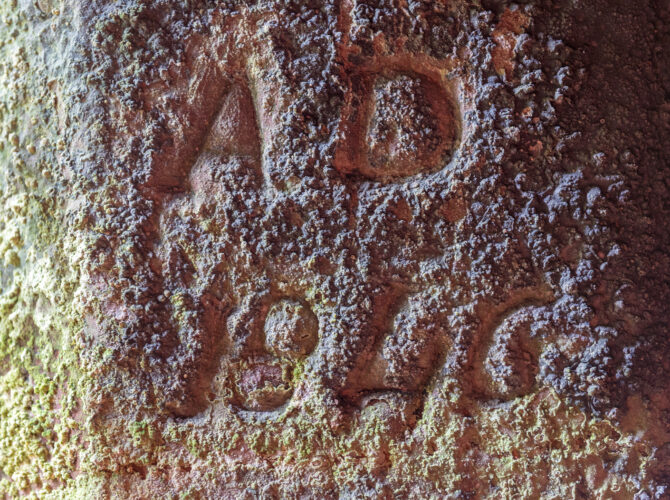
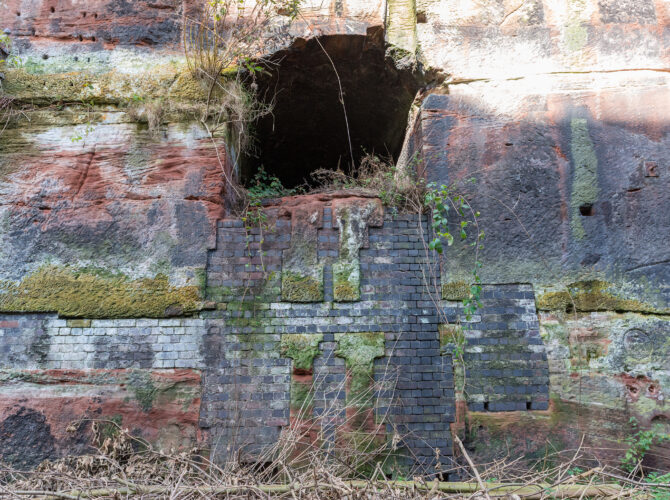
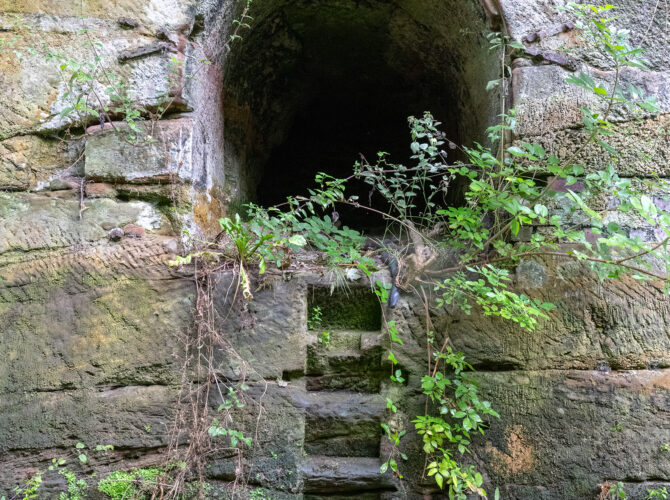
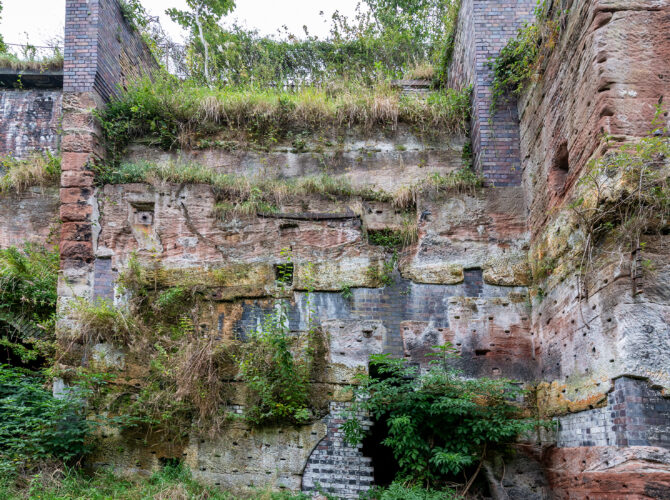
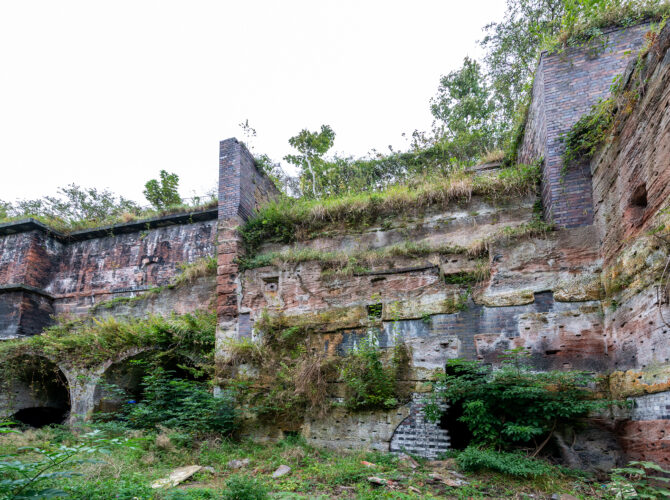
Around the cutting you can still see rock-cut chambers, stairways and fragments of the original engine houses that powered the rope-hauled system. Though partly hidden from view today, the site remains one of the most remarkable surviving pieces of early railway infrastructure.

Why it matters

Edge Hill was the operational gateway to Liverpool. It marked the point where early railway technology had to adapt to the challenges of a busy city and steep terrain.

The solution was ingenious. Trains travelling towards Liverpool rolled down the incline by gravity, while stationary steam engines hauled them back up using long ropes. At Edge Hill the wagons were then attached to locomotives for the journey eastwards.

The winding engines and equipment were designed with input from leading engineers of the day, including William Fairbairn and Robert Stephenson. Their work helped refine the technology that allowed railways to operate safely on steep gradients during the early years of steam power.

Today the site survives as a rare example of an early railway incline system. Historic England recognises it as nationally important because it preserves both visible structures and buried archaeological remains of the engine houses and machinery that once operated here.
Interesting stories.

The Wapping Tunnel begins here and stretches for more than two kilometres beneath Liverpool. When it opened in 1829 it was the first railway tunnel ever driven under a city.

Before trains began using it regularly, the tunnel became an attraction in its own right. Thousands of visitors paid a shilling to walk through the gas-lit passage and admire the engineering beneath the streets.

The entrance to the station was once marked by an elaborate Moorish-style arch designed by Liverpool architect John Foster. Flanked by tall engine houses and chimneys, it formed a grand architectural gateway for travellers approaching the city by rail. Though the arch itself was demolished in the nineteenth century, traces of the structure still survive in the cutting walls.

Archaeological investigations in the 1970s uncovered the foundations of the original winding engine houses and parts of the rope-tensioning system used to haul trains up the incline. Much of this remains buried below the surface, preserving evidence of how the system worked.

This site is not publicly accessible…

This site is not publicly accessible, but it still tells a remarkable story if you know where to look.

From above, you can glimpse this hidden cutting at Edge Hill, packed with clues to the early days of the railway. At the western end sit three original tunnel openings. The smallest led to Crown Street Station, while the larger tunnels carried goods and connected to the Wapping Tunnel, running down to the docks.

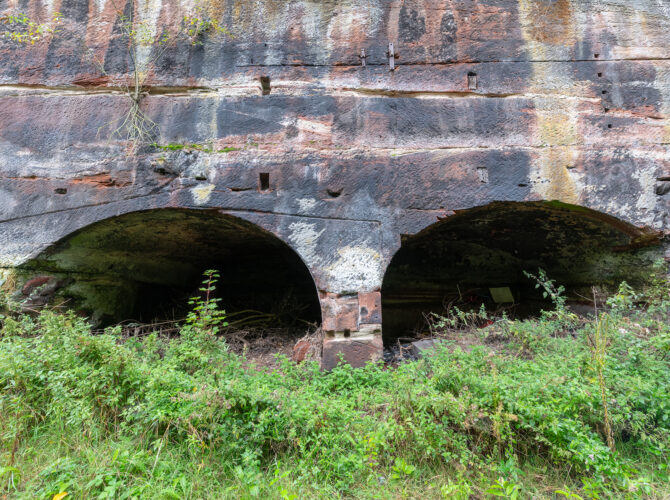
The sandstone sides reveal layers of history, with brick repairs and worn stonework marking years of use. Arched openings along the cutting once housed boiler rooms, coal stores and even accommodation for railway workers. Nearby stood the winding engine houses, where stationary engines hauled trains up and down the incline by rope.

You can also make out the remains of the Moorish Arch’s northern wall, once the grand entrance to Crown Street Station, along with a section of crenellated boundary wall still visible above the cutting.

This content is adapted from:
https://historicengland.org.uk/listing/the-list/
https://en.wikipedia.org/wiki/Edge_Hill_railway_station

Explore related content

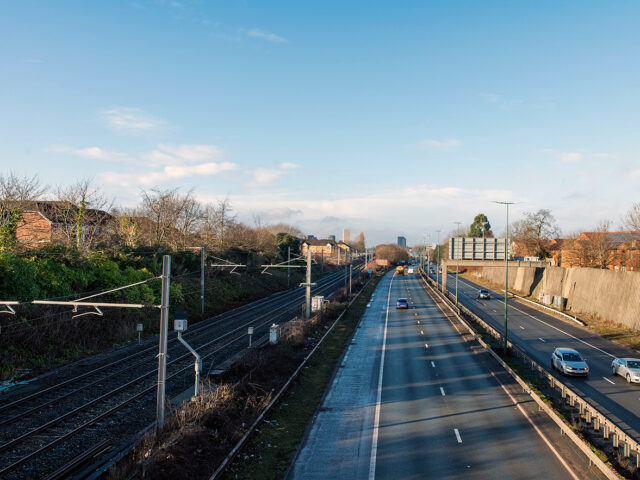
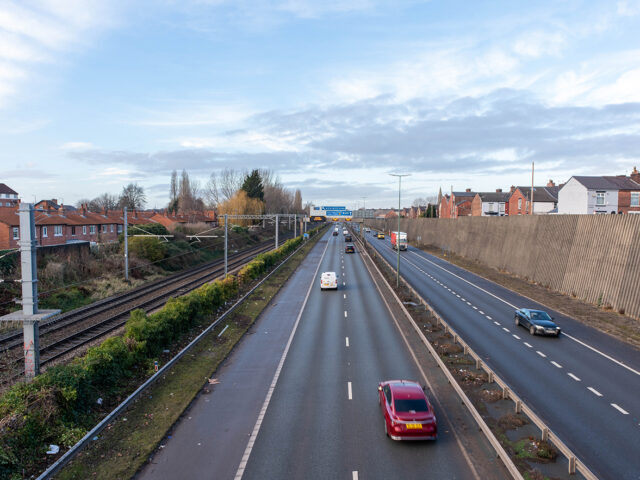
View from Gore Booth Bridge showing a railway line running parallel to a busy dual carriageway, with houses on one side and a high retaining wall on the other, marking the area where Seedley Station once stood
Salford

Seedley Station

A lost station at Seedley. Seedley Station once stood along the Liverpool and Manchester Railway in...