Warrington

Newton’s Bridge

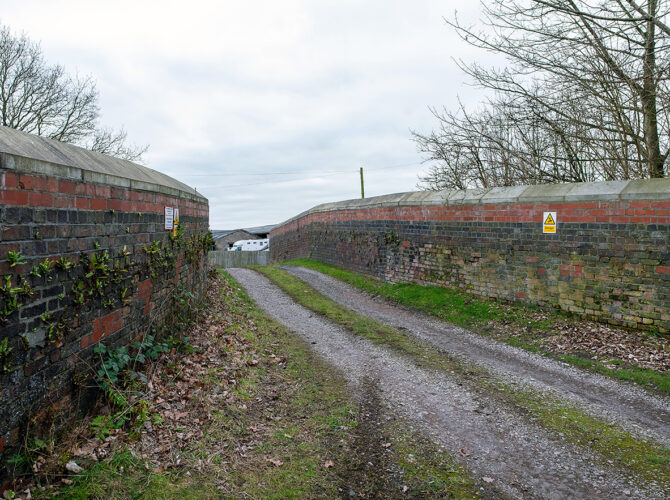
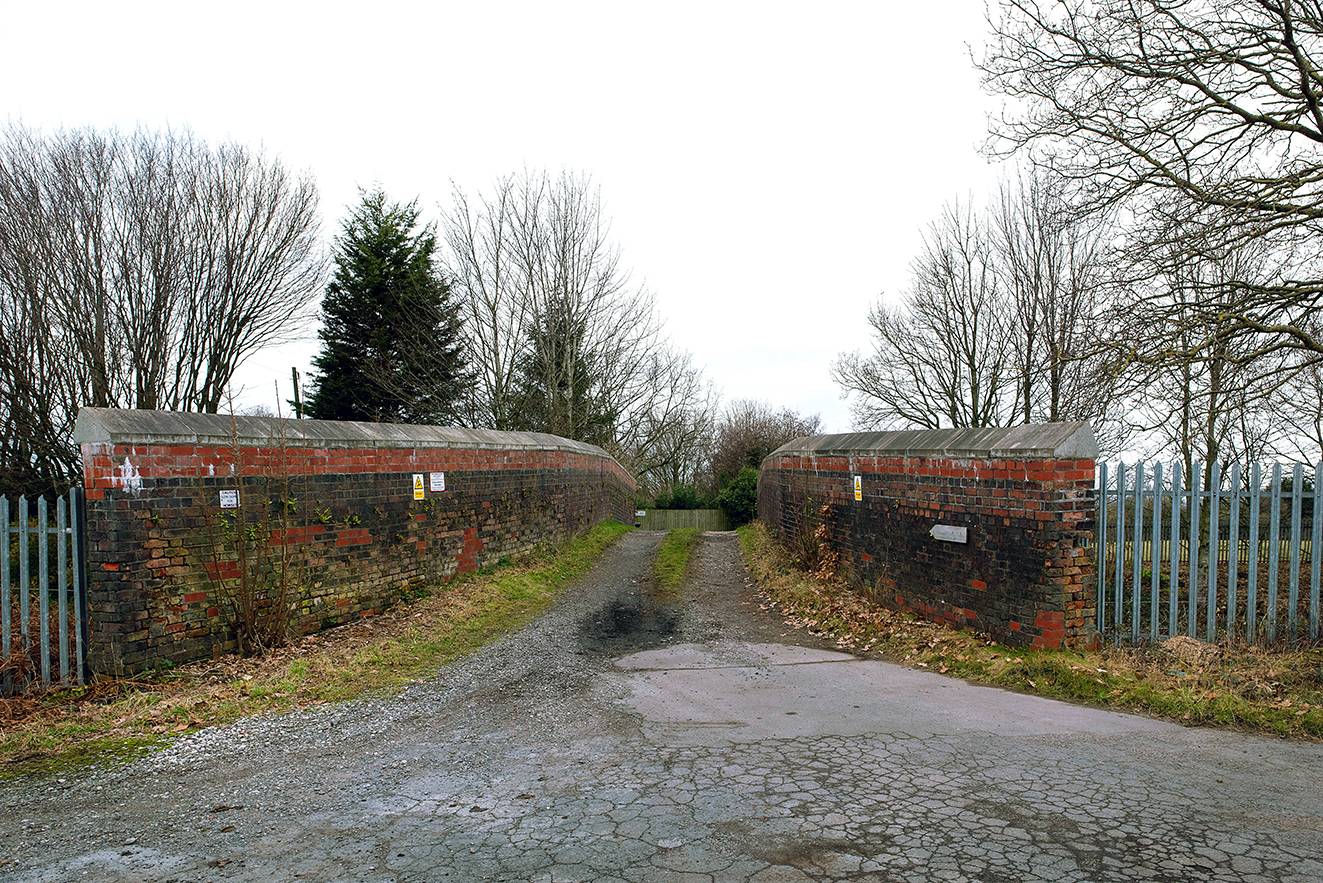
A frontal view looking along the track across Newton’s Bridge, with symmetrical brick parapets on either side. The worn surface and simple construction reflect its long-standing agricultural use.
© Manchester Histories

The railway and the rural landscape

Newtons Bridge is a modest brick-built bridge that carries a private track over the railway line near Culcheth. With its simple parapets, gently sloping approach and rounded arch below, it’s a quiet but purposeful structure, tucked among the trees and fields of the surrounding landscape.

Why it matters

This is an early example of what’s known as an occupation bridge. It was built where the railway cut through farmland, allowing landowners to keep access to both sides of their land. It was part of a fair deal. The railway could pass through, but daily life on the ground could carry on.

Bridges like this helped the railway succeed. They kept local life flowing around the line, allowing goods, animals and people to move without disruption. Though smaller than the stations and viaducts, these structures show how much thought went into fitting the railway into the land around it.
Interesting stories

Though tucked away and easy to miss, Newtons Bridge has been doing the same job since the 1830s. The countryside has changed and the trains rushing beneath are faster and heavier than ever, but the bridge above remains steady and largely unchanged.

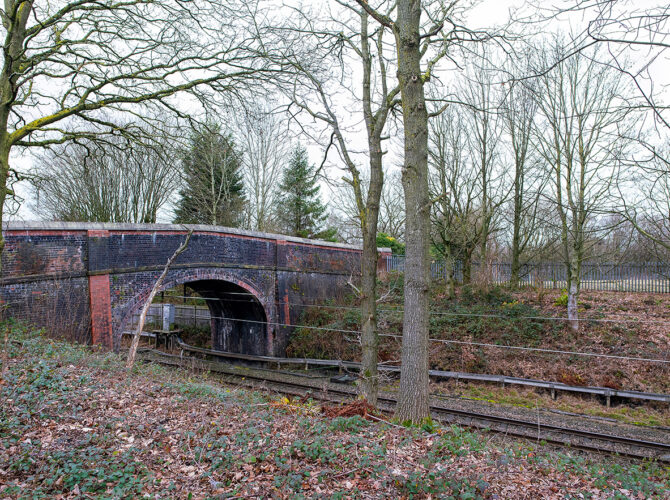
Its brick arch shows signs of smoke and age. The soot and weathering are reminders of the steam era. The parapet walls are capped with stone and edged with gentle curves, a sign that even purely practical bridges were given care and craftsmanship by early railway engineers.

What to look out for…

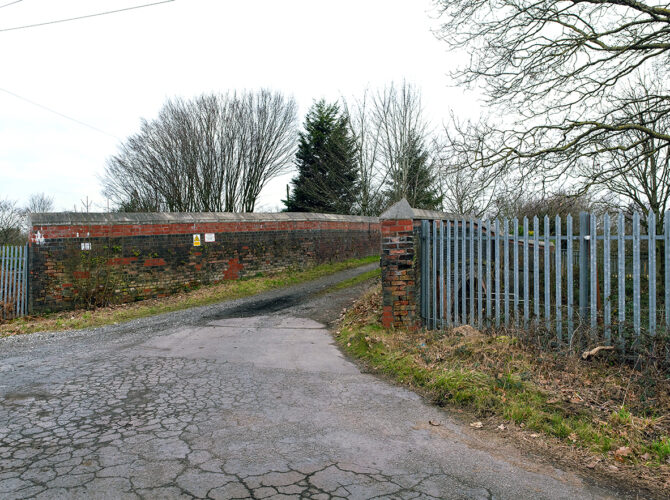
Look for the gentle curve of the bridge arch, typical of early railway design, and the original dark brickwork with visible later patching in brighter red brick. The stone coping along the top of the parapet adds a finishing detail. 

From the side, you can clearly see the bridge spanning the railway cutting below, with the tracks still in use. The setting gives a strong impression of how the railway was engineered into the landscape.

Explore related content