Salford

Patricroft Station

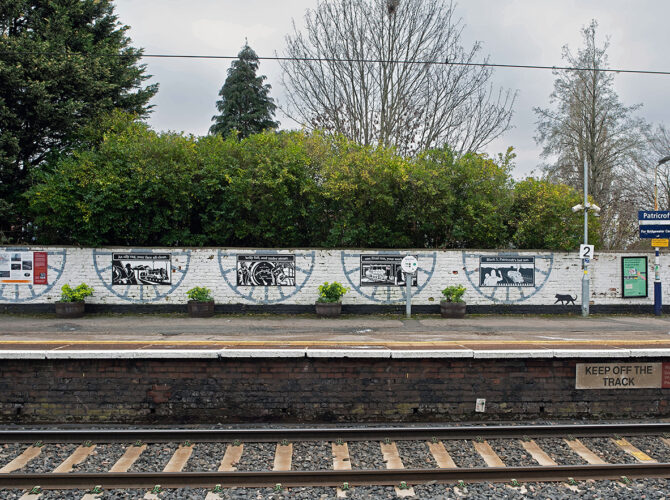
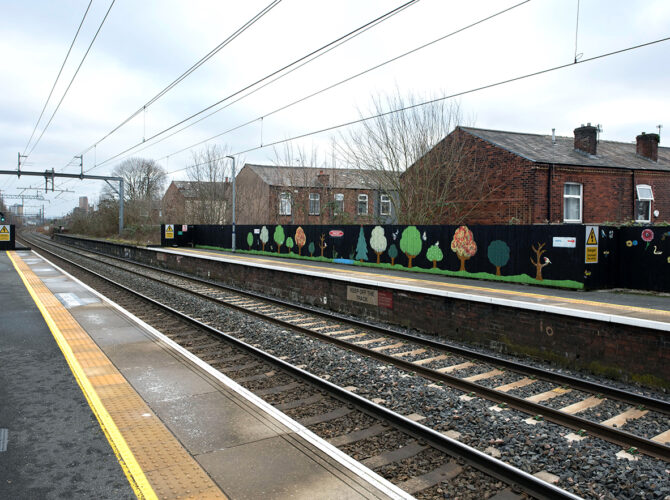
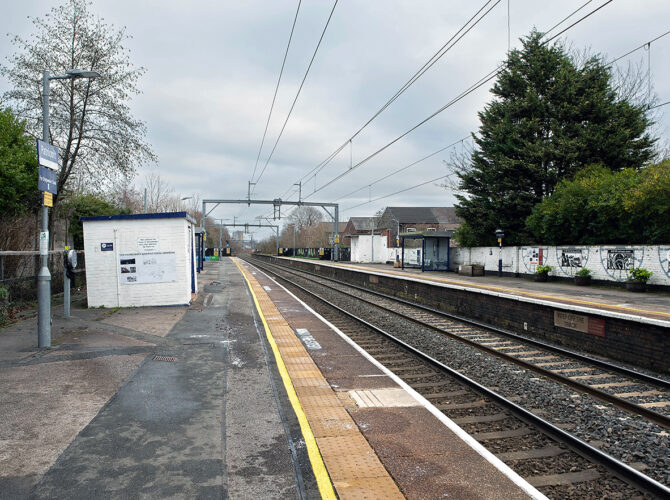
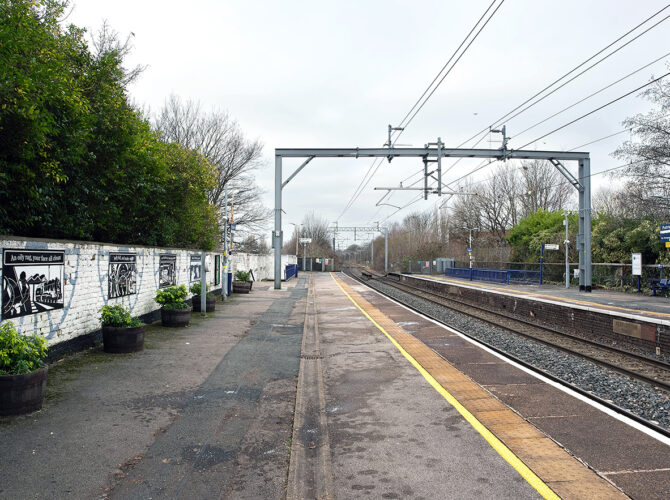
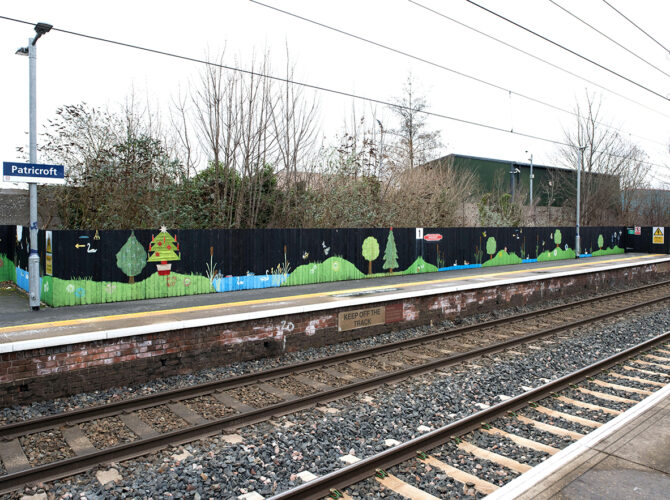
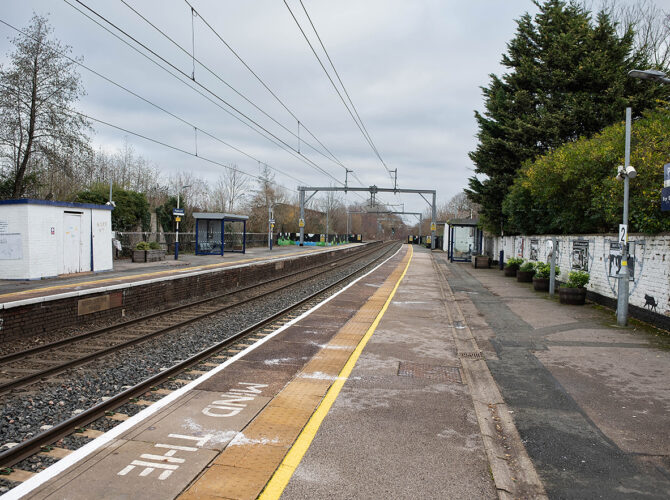
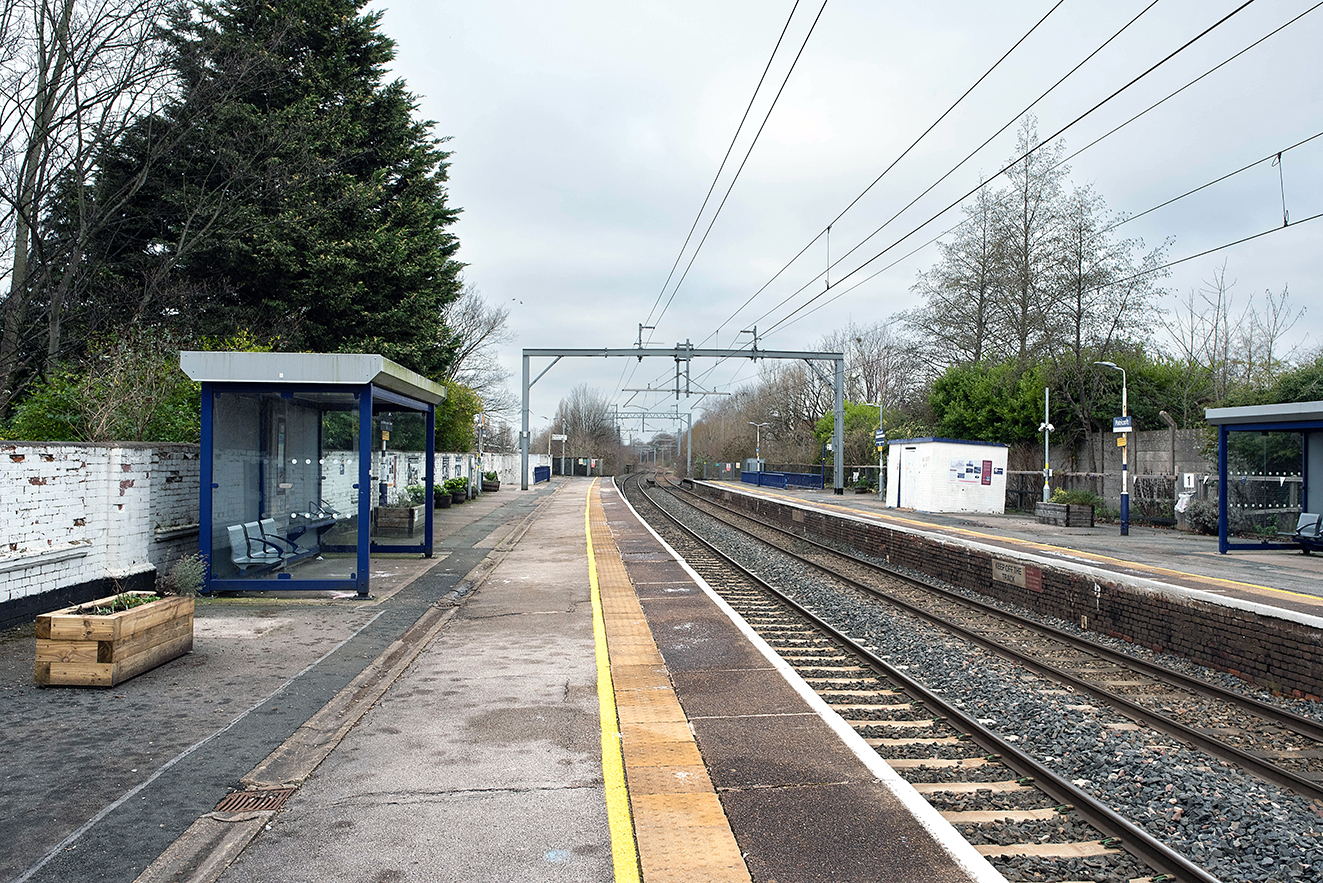
A wide view of the platforms, showing waiting shelters, planters and electrified railway lines.
© Manchester Histories

Where engines were built and serviced.

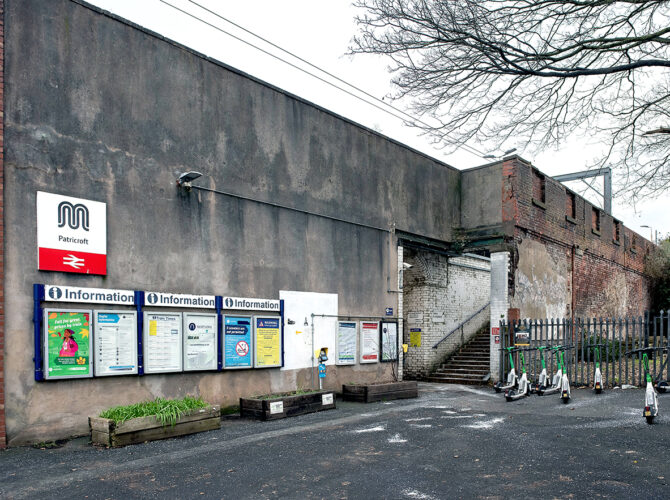
Patricroft Station is a small, unstaffed station in the Patricroft area of Salford. Trains have stopped here since 1830, although almost nothing of the original station survives today. The platforms are simple and fairly modern, with basic waiting shelters.

Despite its plain appearance, Patricroft holds its place on one of the earliest inter-city passenger railways. Nestled between terraced streets and the Bridgewater Canal, it has quietly remained open to travellers for two centuries.


Why it matters

Patricroft’s importance lies in the industries it helped power. Just a short walk from the station stood the Bridgewater Foundry, founded in 1836 by James Nasmyth, the inventor of the steam hammer. The foundry became a centre for heavy engineering and locomotive manufacture, sending steam engines out across the world.

The station also had its own role in railway operations. In 1884, a large steam-locomotive shed opened next to the Manchester-bound platform,  the Patricroft Motive Power Depot. For decades, it was a key servicing point for engines running along this vital corridor. The shed finally closed in 1968, but during its lifetime it formed part of the muscle behind Britain’s steam-powered rail network.

Patricroft may not have the appearance of a historic railway station, but its place in the landscape of invention, engineering and everyday railway work makes it quietly significant. This was where trains were not just boarded, they were also built, maintained and sent on their way.
Interesting stories

Though the station is quiet today, for over a century it was a hive of activity. Just beyond the Manchester-bound platform stood the Patricroft Motive Power Depot, opened in 1884. Crews came and went, engines were maintained, coal was shifted and water was drawn — all part of the daily rhythm of a steam-age railway.

The shed finally closed in 1968, and over the years the station’s buildings were gradually removed. By the late 20th century, Patricroft had become a bare-bones stop, easy to overlook. But in 2009, a group of local residents formed the Friends of Patricroft Station. Since then, they’ve worked to improve the station environment,  installing planters, restoring pride in the station’s appearance, and giving this long-serving site a fresh sense of purpose.


What to look out for…

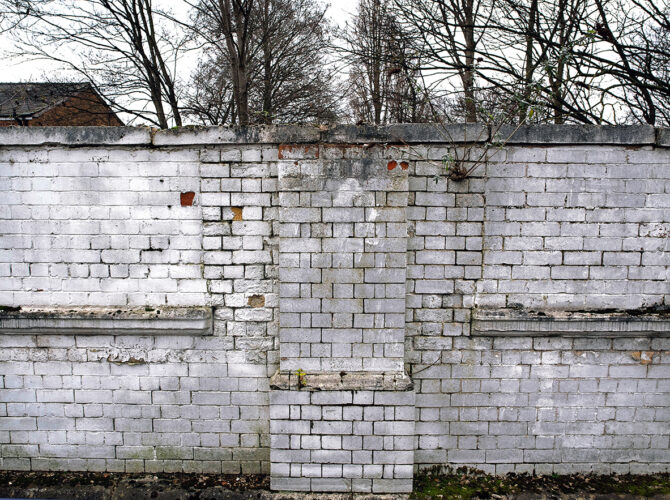
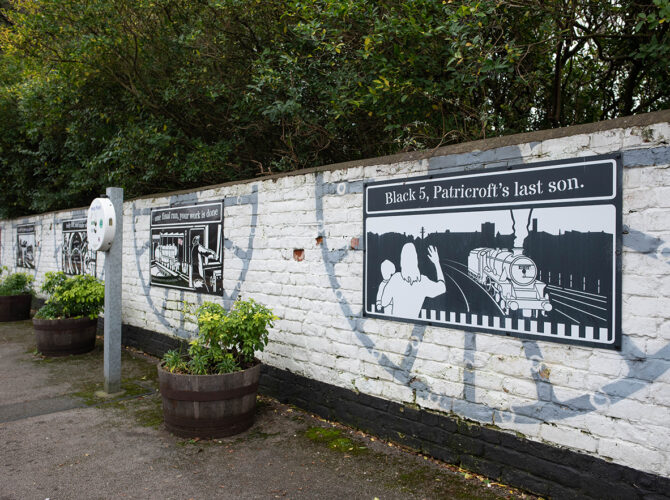
On the Manchester-bound platform, look for a whitewashed wall tucked behind the shelter. It’s more than just a boundary, this is the last surviving piece of the Patricroft Motive Power Depot. Once a hive of steam-era activity, the depot stood just behind the station and was vital for servicing locomotives. Today, all that’s left is this wall, its lower courses still visible from the rear.

The tracks here once fed a network of sidings and workshops that echoed with the clang of hammers and the hiss of steam. Just across the line stood the Bridgewater Foundry, a powerhouse of Victorian engineering, now  Nasmyth Business Park.

While most of the original industry has gone, the station still follows its 1830s alignment, and the surroundings carry the ghost of the age it once served. While much of the railway’s industrial footprint has faded, hints of that past remain in the layout, the brickwork and the stations layout.

This content is adapted from:
https://en.wikipedia.org/wiki/Patricroft_railway_station

Explore related content

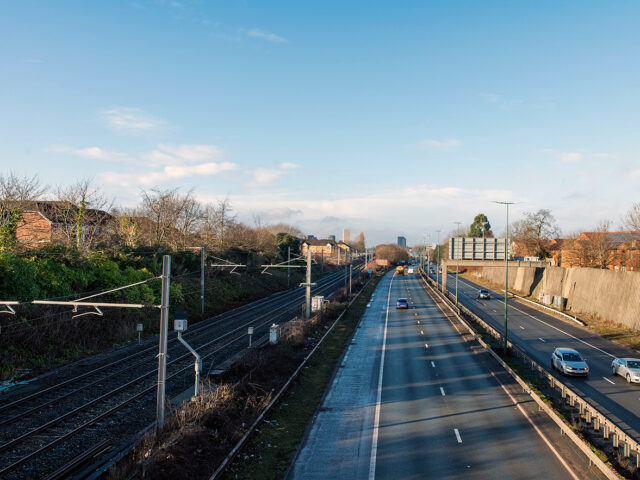
View from Gore Booth Bridge showing a railway line running parallel to a busy dual carriageway, with houses on one side and a high retaining wall on the other, marking the area where Seedley Station once stood
Salford

Seedley Station

A lost station at Seedley. Seedley Station once stood along the Liverpool and Manchester Railway in...