Manchester

Railway Viaduct over River Irwell Leading to Lower Byrom Street Warehouse

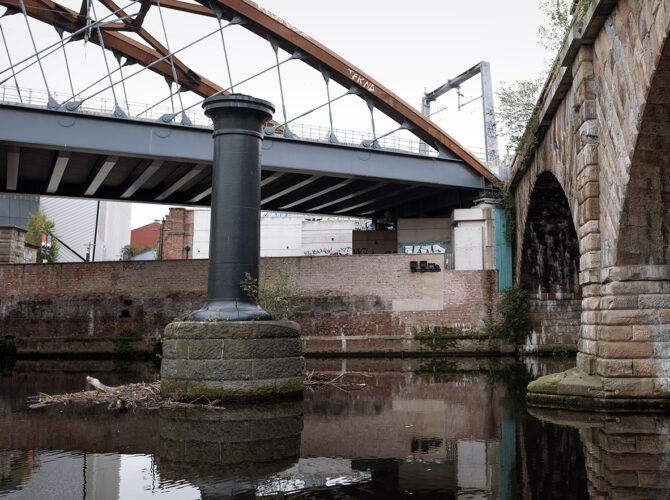
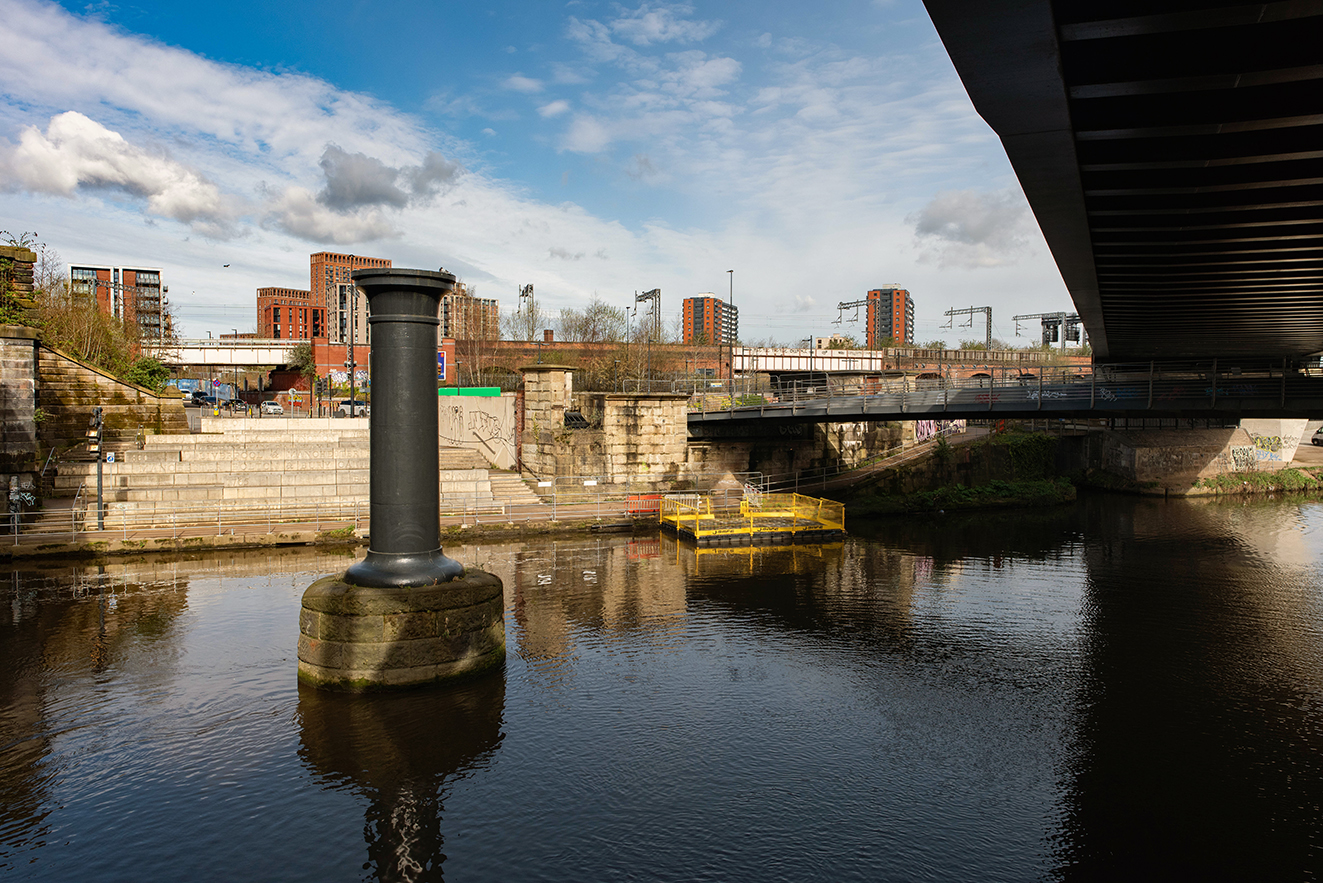
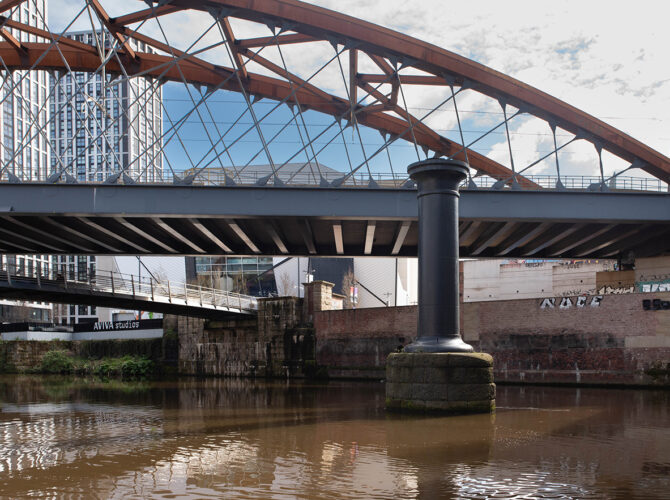
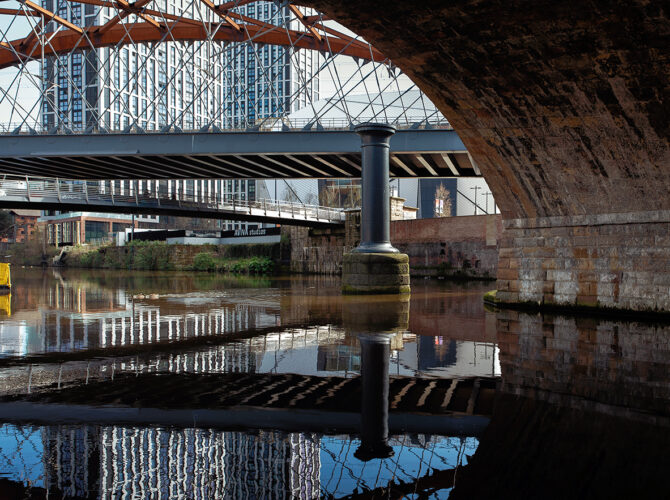
Stone base and iron column stand in the river marking the line of the viaduct towards the warehouse.
© Manchester Histories

The missing bridge.

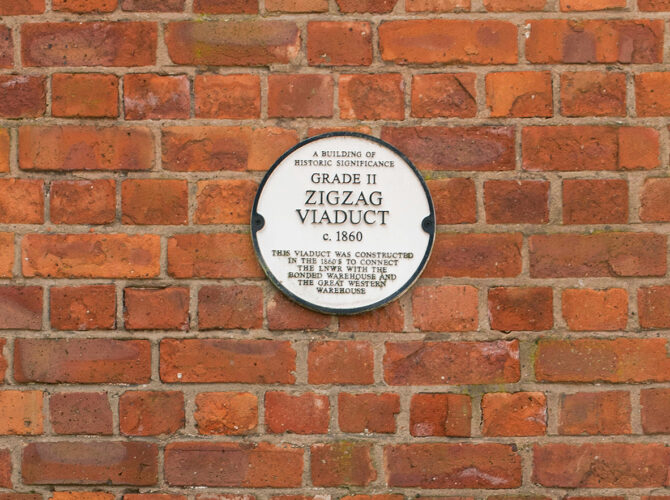
A railway viaduct, built in the 1860s by the London and North Western Railway Company, once carried goods traffic over the River Irwell into Liverpool Road Station. Often referred to as the Zigzag Viaduct, it provided a vital connection between the station and the Lower Byrom Street Warehouse and formed part of the second phase of goods expansion after passenger services stopped at the site in 1844.

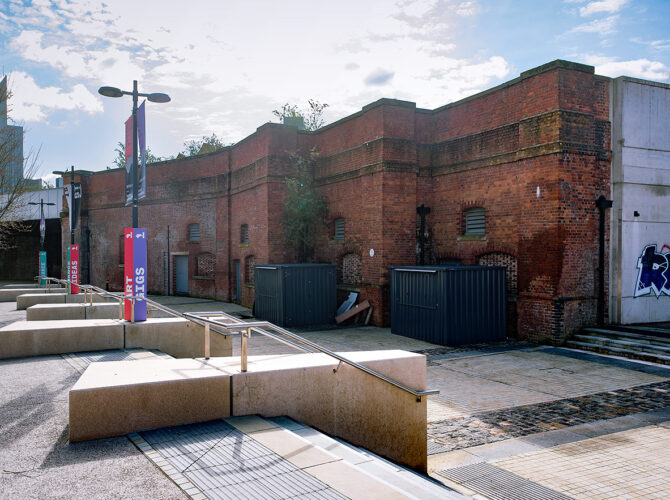
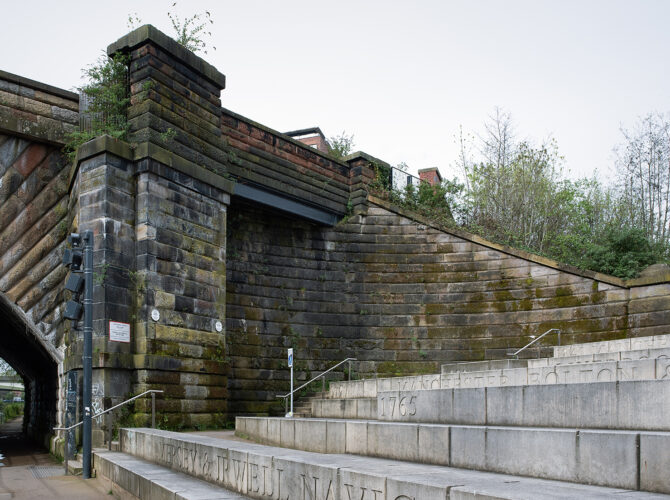
The viaduct has since been removed, but traces of it remain. A red-brick stables block beneath the former route still stands, along with an iron column in the river and a curved stone retaining wall on the Salford side, marking where the structure once met Eccles Bridge.

Why it matters

This viaduct tells the story of how the world’s first intercity railway station adapted to growing industrial demand. As Liverpool Road Station evolved into a major goods hub, new infrastructure like this bridge was essential to moving freight efficiently between the city and the docks.

Though the viaduct itself has been removed, it played a crucial role in the operation of the wider goods yard and remains an important piece of Manchester’s railway heritage.
Interesting stories

The bridge was built to abut the earlier 1830 stone bridge over the Irwell, allowing goods trains to converge before entering the station. Today, even though the bridge no longer exists, the route it followed is still legible in the surrounding architecture.

The red-brick stables on the Manchester side of the river once supported the railway above, and the surviving structures help trace the lost bridge’s path.

What to look out for…

Look for the distinctive cast-iron column rising from the river. This is a surviving support from the removed viaduct and marks where the bridge once crossed the Irwell.

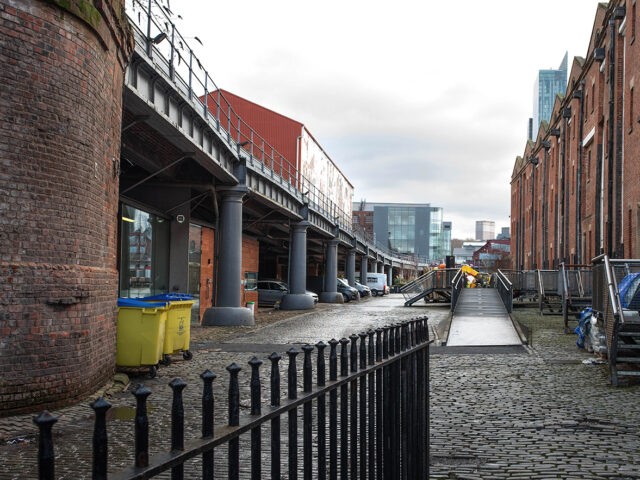
On the Manchester side, the red-brick stables and the zig-zag brick wall still stand beneath the former line, while on the Salford side, a curved stone retaining wall shows where the bridge once met the still-existing 1830 stone bridge. Together, these remains offer a clear sense of how this lost viaduct once formed a vital artery for freight into Manchester.

This content is adapted from:
https://historicengland.org.uk/listing/the-list/

Explore related content

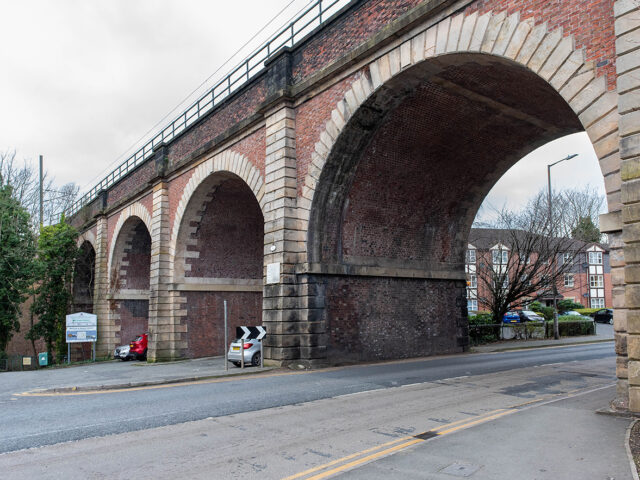
Side view of a main arch spanning the road, showing the scale of the structure and surrounding street.
St Helens

Newton Viaduct

A grand crossing in brick and stone Newton Viaduct is a striking brick and stone bridge...

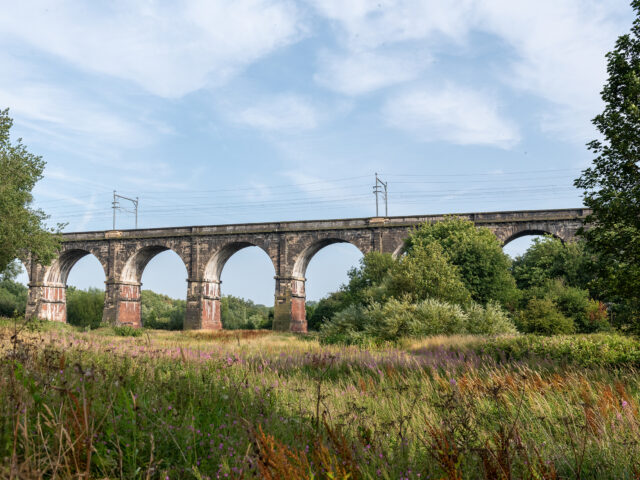
The viaduct rises above a field of grasses and wildflowers, showing its elegant curve across the valley.
St Helens

Sankey Viaduct

The world’s first large railway viaduct. The Sankey Viaduct is a towering railway bridge that crosses...