The station that shaped Rainhill
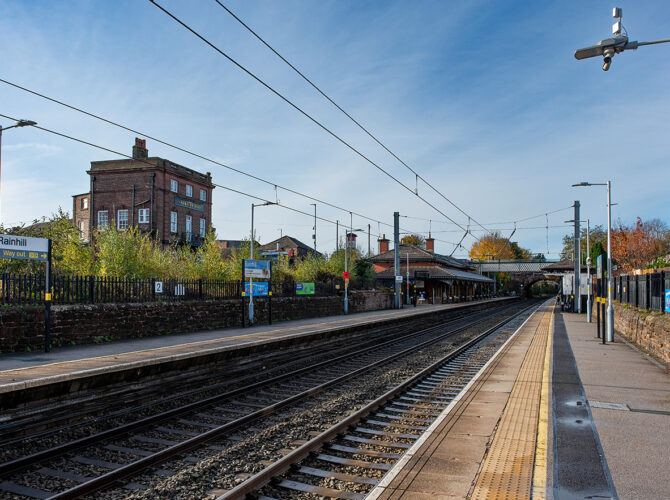
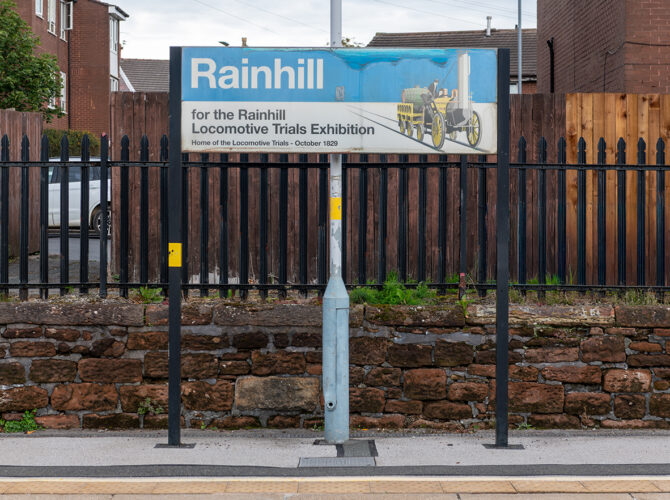
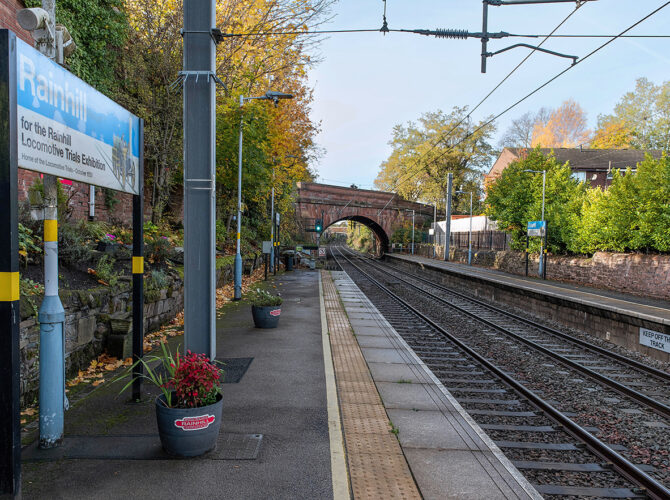
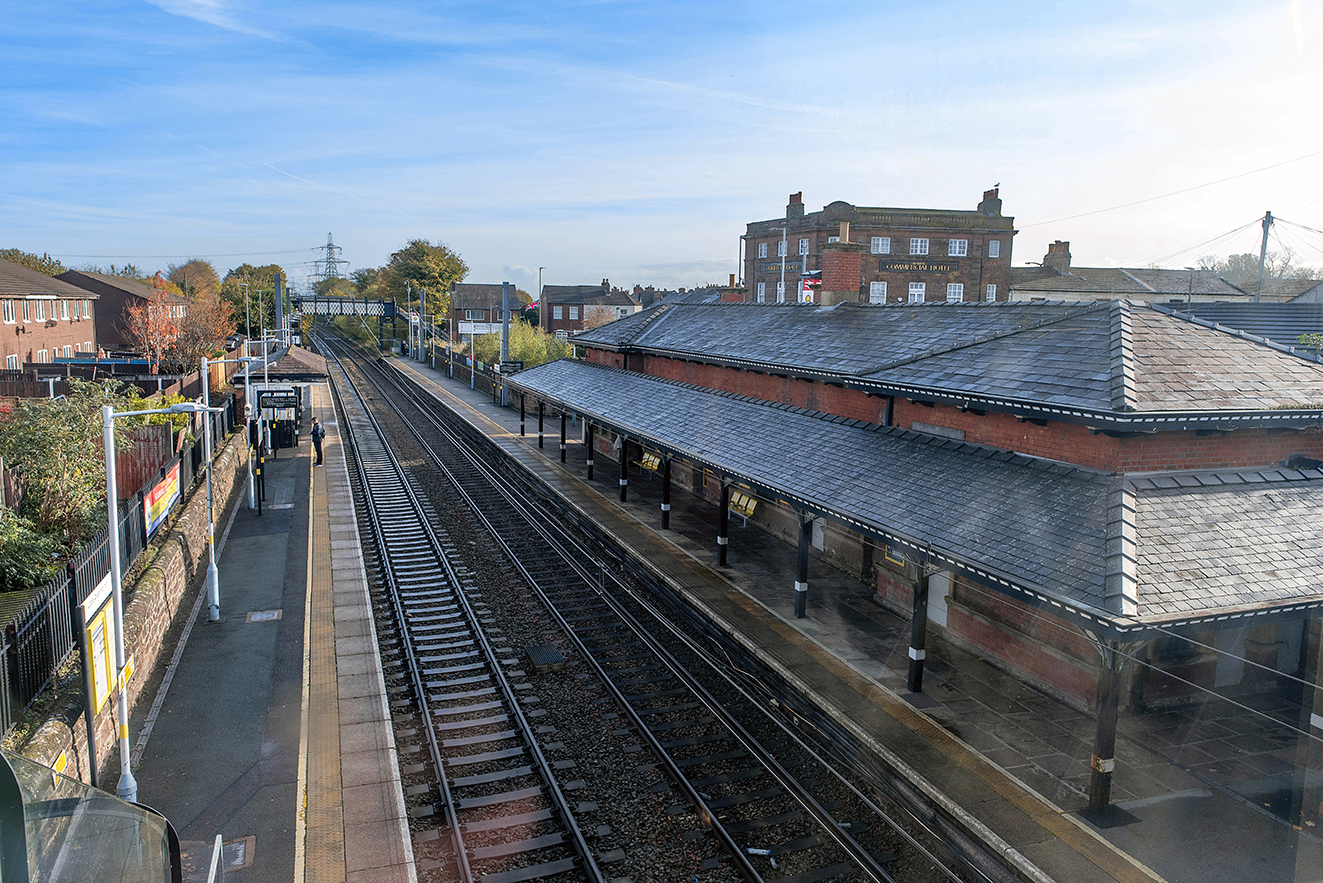
Rainhill Station is one of the oldest surviving passenger railway stations still in use today. Located at the heart of the town, the station has been serving travellers since the earliest days of the railway in the 1830s. The current buildings date from around 1860 and reflect the confidence and ambition of the Victorian railway age.
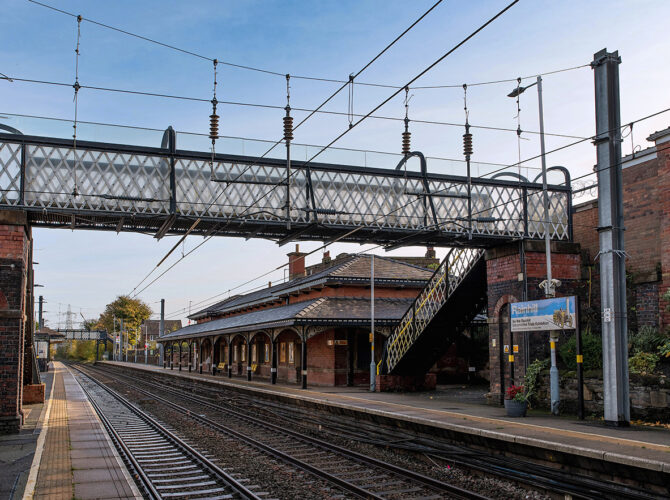
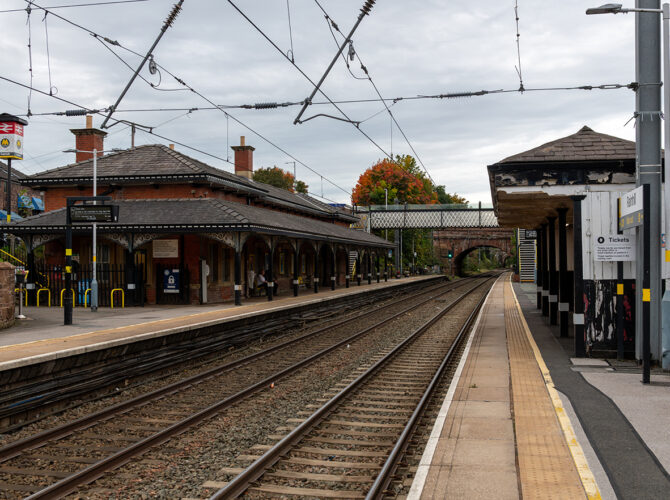
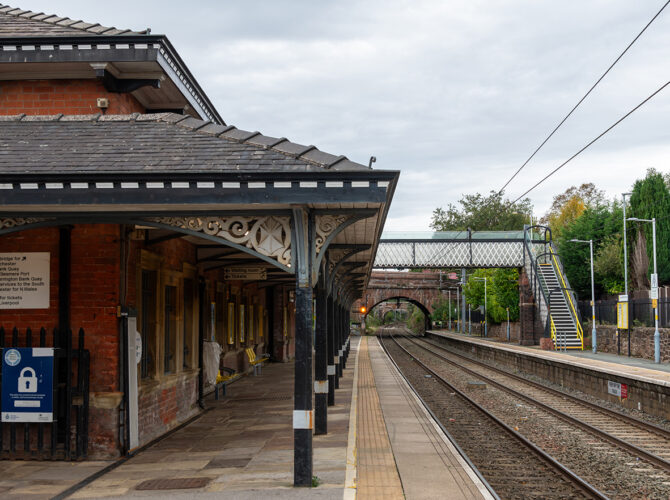
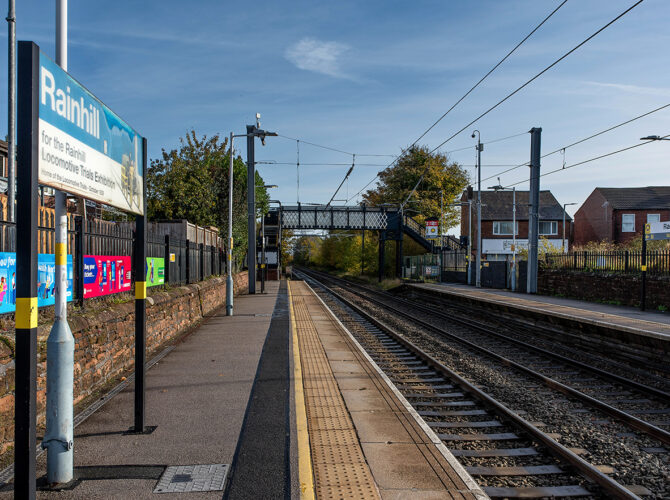
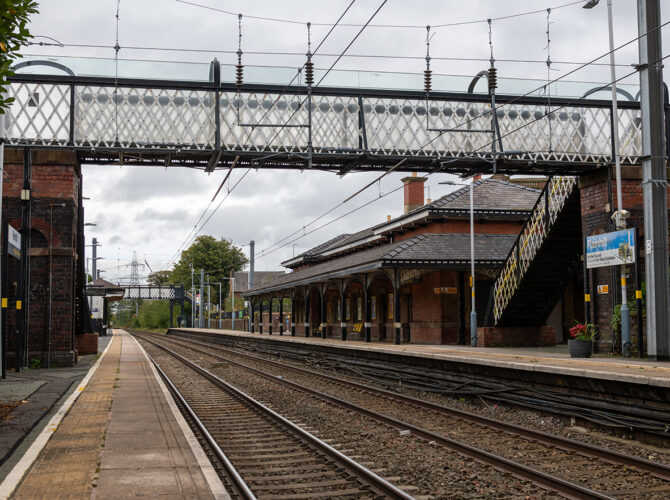
Its main building is a fine example of classical railway architecture, with red brick, slate roofs and decorative ironwork that still shelter passengers today. Across the line, a matching waiting shelter and a cast iron footbridge complete the picture of a working station that has adapted over time but never lost touch with its past.
Rainhill is more than just a stop on the line. The station helped the town grow from a quiet rural hamlet into a thriving community and stands as a proud reminder of how the railway transformed places as well as journeys.
Why it matters
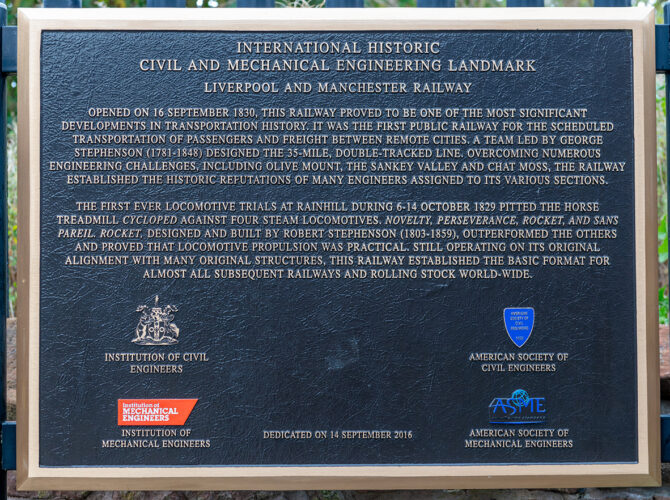
This station is one of the oldest in the world still in operation. While the very earliest stopping place here, first known as Kendrick’s Cross, was little more than a halt for early trains, the main station was rebuilt around 1860 for the London & North Western Railway and has stood on this alignment ever since. The elegant main building, the waiting shelter, the old signal box and the lattice footbridge all reflect the development of Victorian railway architecture and passenger facilities. The station is recognised for its architectural and historic interest with a Grade II listing, reflecting its role in the early growth of railway travel and its continued survival.